
Conserve the Intangibles
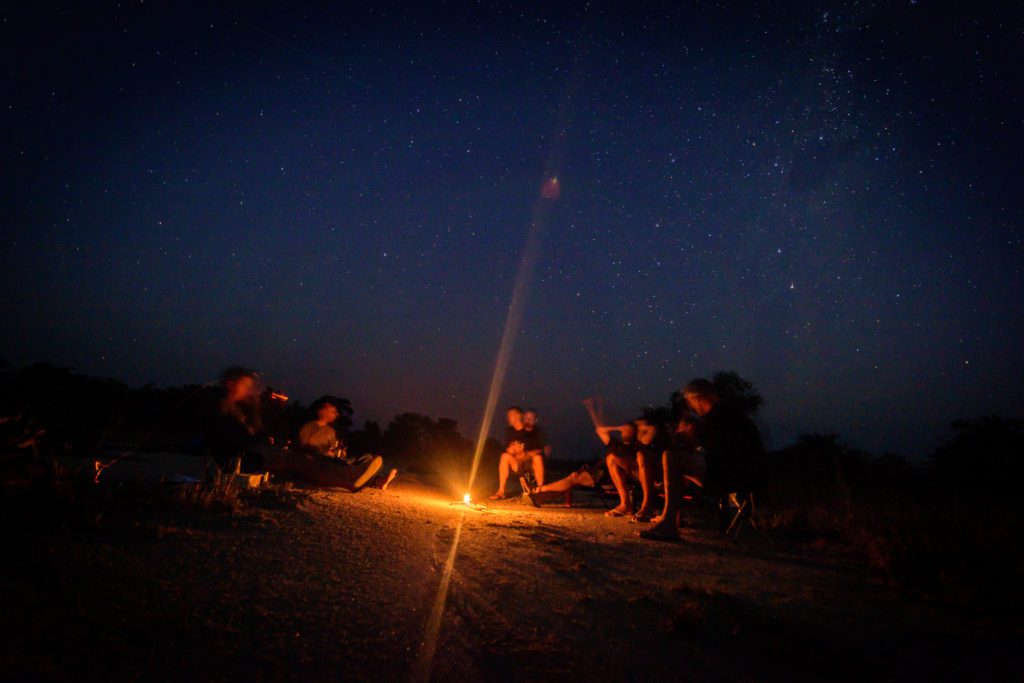
What are we truly trying to conserve? While nature conservation protects the tangible elements – species, rivers, and ecosystems – wilderness conservation protects something far more elusive: the experience of wildness itself. Discover why silence, solitude, and vulnerability may be the most endangered phenomena of our time.
The Human Animal: Why Modern Minds Need Ancient Landscapes
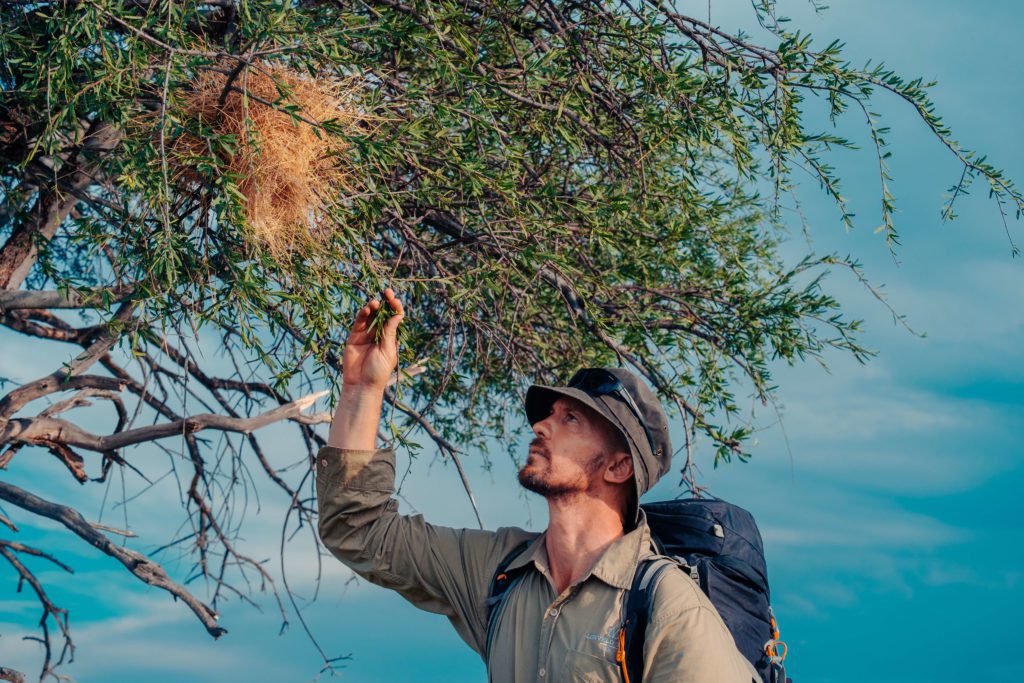
Our modern minds are running ancient software in a post-industrial world. While we navigate high-rise boardrooms, our nervous systems remain wired for the ancestral savanna. This estrangement has triggered what ecologists call the “extinction of experience.” Discover the neuroscience behind our collective unease, and why stepping onto a fence-free wilderness trail isn’t a retreat from reality—it’s a return to it.
Medicine for Modern Life: The Wilderness Remedy
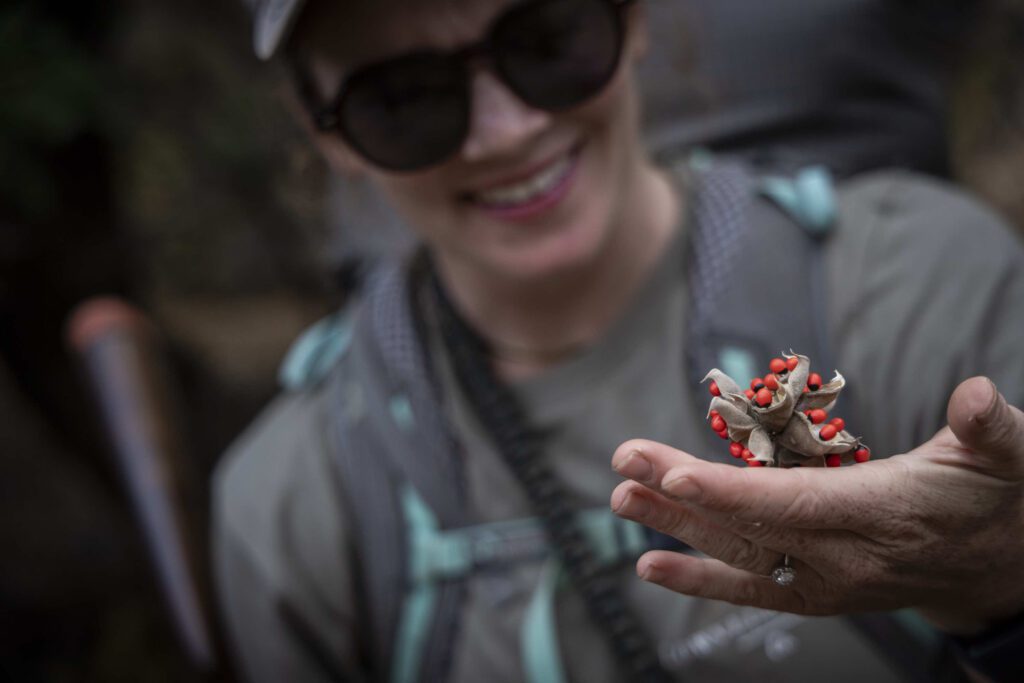
“If you look at the modern human clinically, you might conclude we are unwell.” In this reflective piece, Lori Cilliers explores wilderness not as a destination, but as a remedy. From the “tight shoulders” of day one to the “softer eyes” of the journey’s end, discover how wild spaces return us to our original blueprint and why this “medicine” is more worth protecting than ever.
The Science of Awe: How Wilderness Mimics a Psychedelic Trip
For decades, we’ve seen people return from the wild forever changed, but we lacked the language to explain why. By applying the same scientific tools used in clinical psilocybin research (MEQ30), we’ve discovered that wilderness immersion triggers “mystical experiences” that quiet the brain’s default mode network. It turns out the wild isn’t just an escape—it’s a biological “reset” that interrupts old mental loops and fosters lasting neuroplasticity. No mushrooms required.