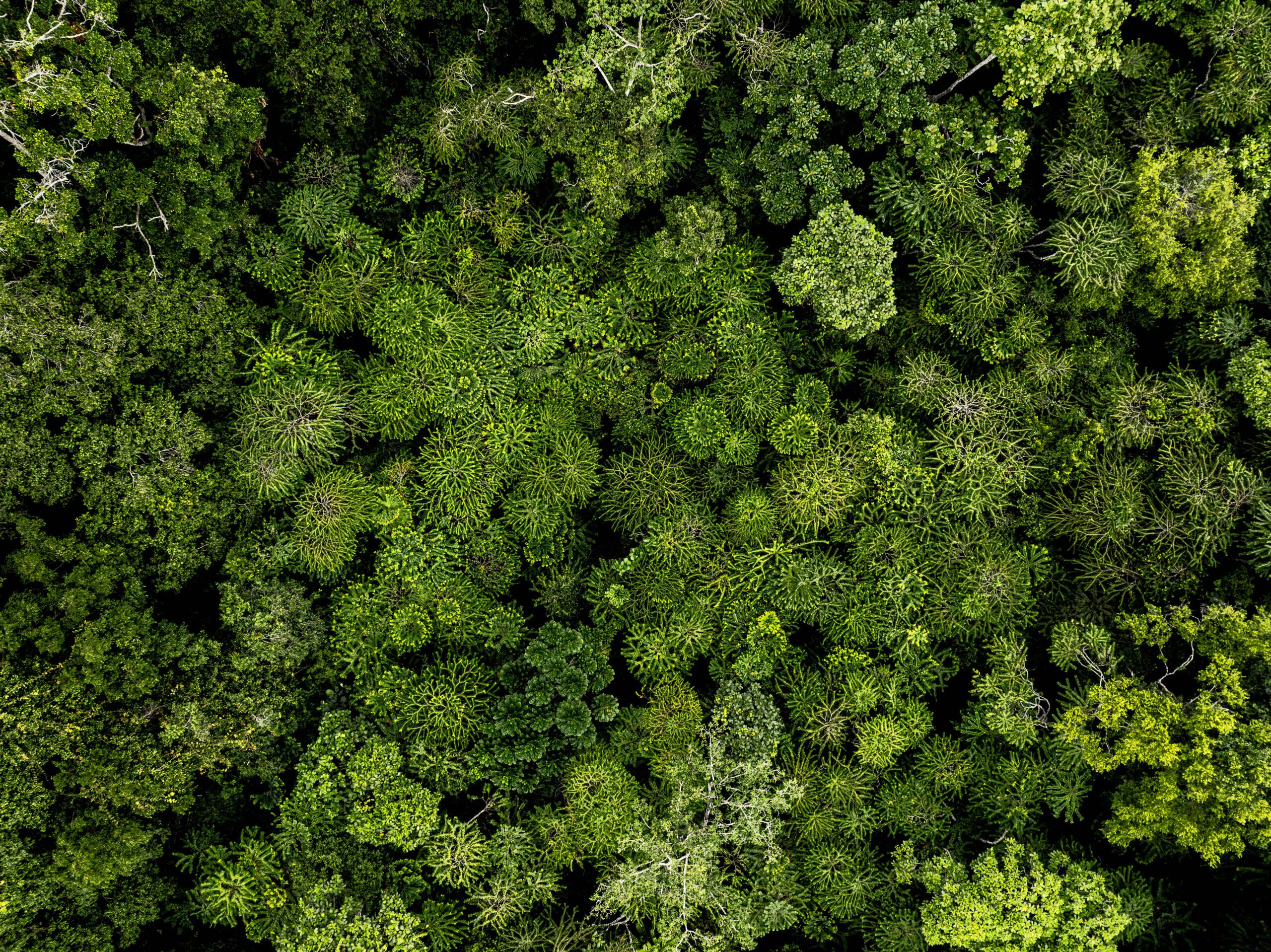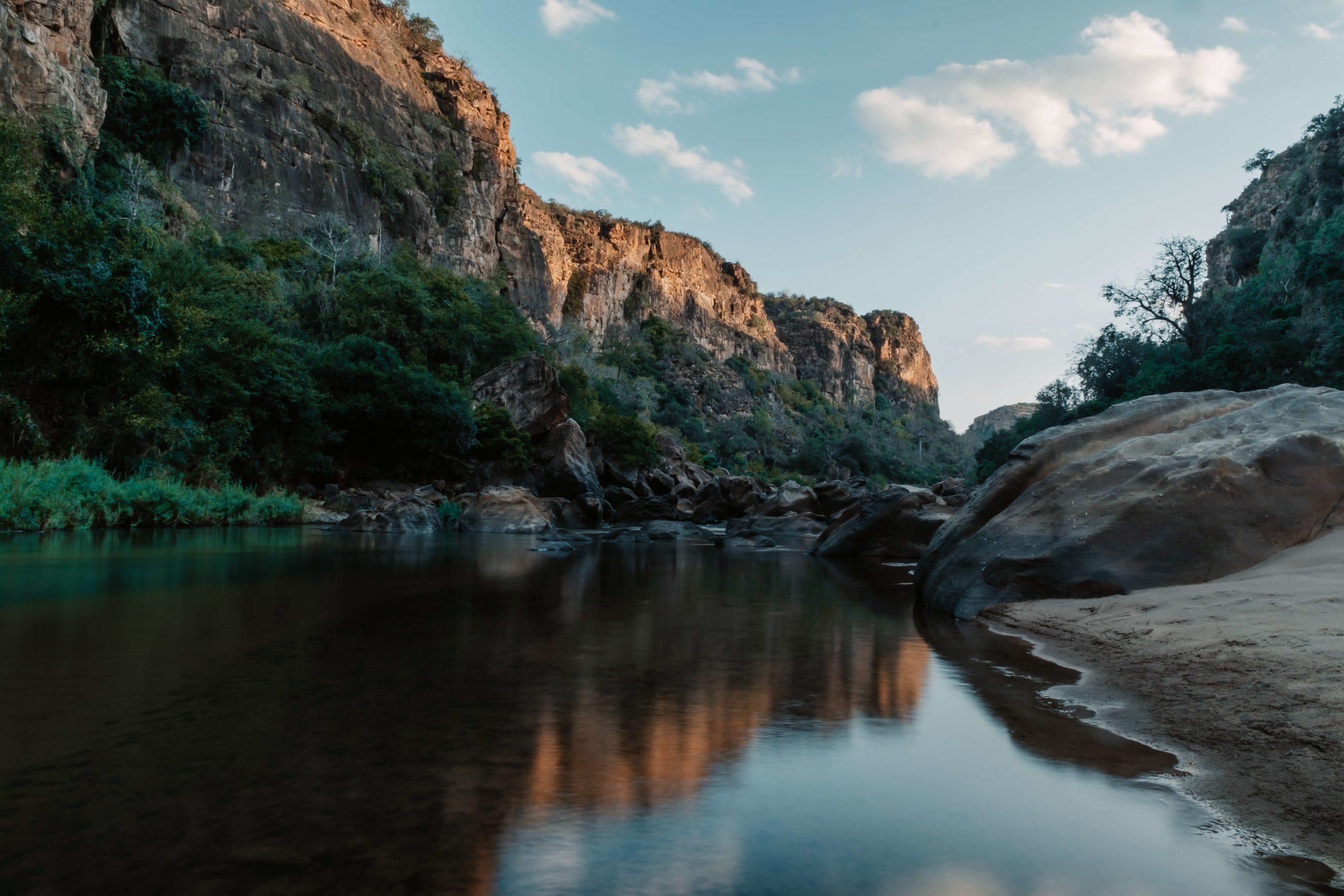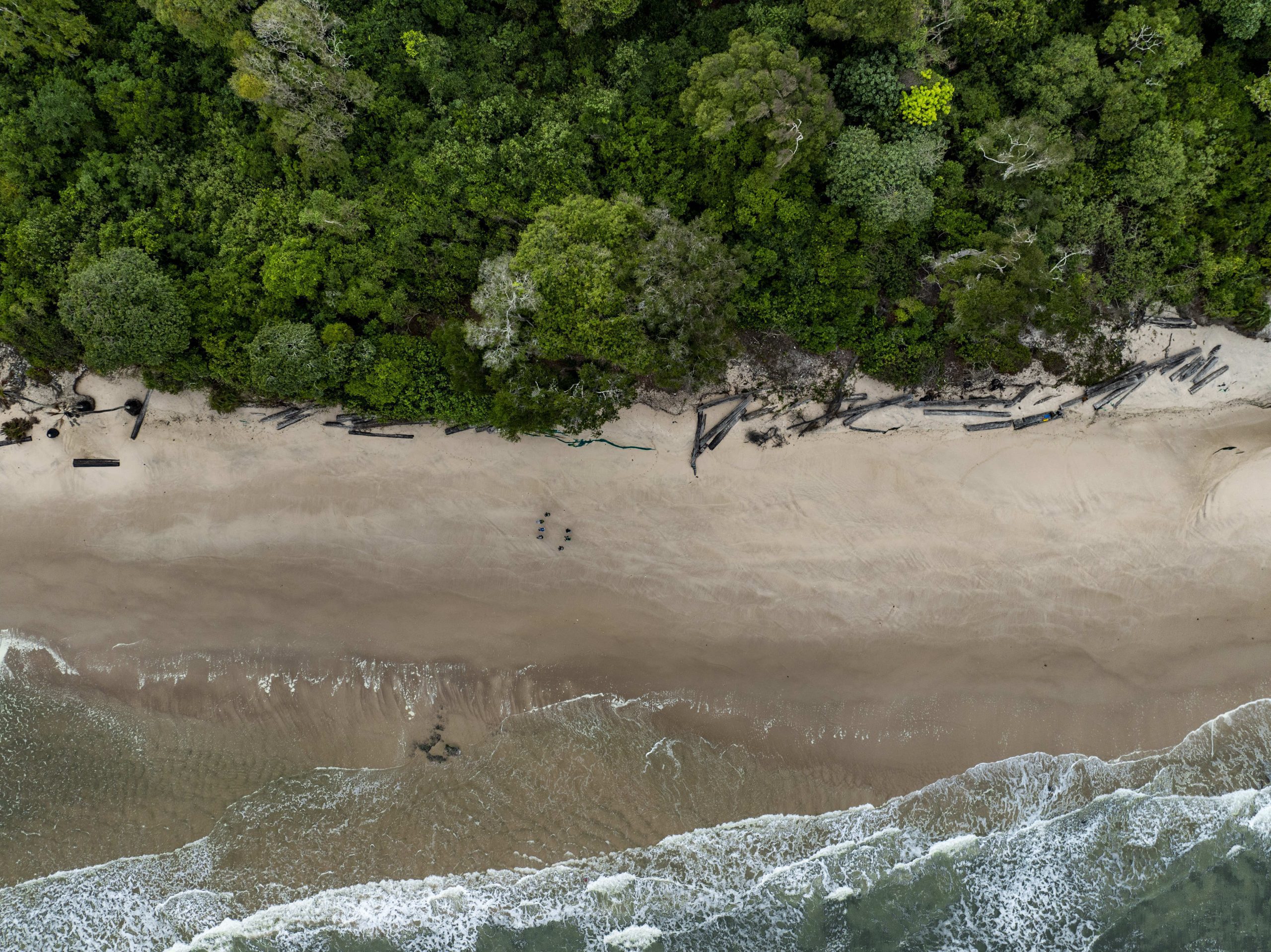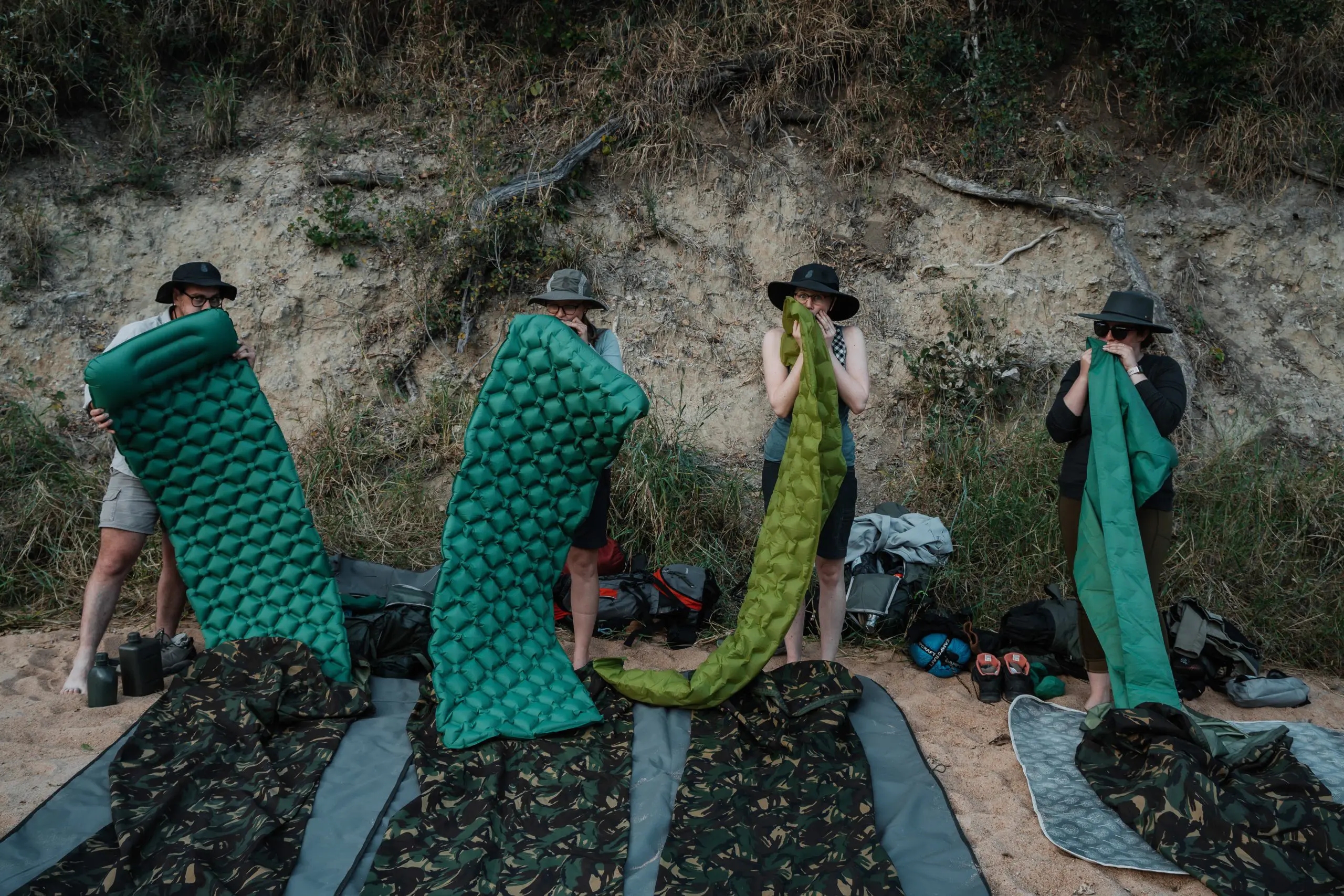

If you look at the modern human clinically, you might conclude we are unwell. From all our advancement, we are chronically over stimulated, increasingly disconnected from our bodies and natural systems. Despite being surrounded by more convenience than ever before, many of us remain anxious, restless, and exhausted.
The Original Context of Our Becoming
Perhaps wilderness transforms us so deeply because wild places are not foreign to us at all, they are the original context of our becoming. As Aldo Leopold wrote, “𝑾𝒊𝒍𝒅𝒆𝒓𝒏𝒆𝒔𝒔 𝒊𝒔 𝒕𝒉𝒆 𝒓𝒂𝒘 𝒎𝒂𝒕𝒆𝒓𝒊𝒂𝒍 𝒐𝒖𝒕 𝒐𝒇 𝒘𝒉𝒊𝒄𝒉 𝒎𝒂𝒏 𝒉𝒂𝒔 𝒉𝒂𝒎𝒎𝒆𝒓𝒆𝒅 𝒕𝒉𝒆 𝒂𝒓𝒕𝒊𝒇𝒂𝒄𝒕 𝒄𝒂𝒍𝒍𝒆𝒅 𝒄𝒊𝒗𝒊𝒍𝒊𝒛𝒂𝒕𝒊𝒐𝒏.”
I keep returning to wilderness because of what is does for me. The way it strips life back to its essentials, makes you feel present and undeniably more alive. It feels personal, almost indulgent. A pull I can’t explain, but have come to understand and not question.
What began as something I sought for my own healing has become something far greater. Over time, my reasons have evolved; witnessing wilderness work that same medicine on others, in its own time and unique ways. A remedy that returns us to how things are meant to be, whether in the body, the mind, or in the way we live.
There is something deeply humbling about standing at the edge of those moments, watching the symptoms of modern life ease beneath a dose of wild space.
From Survival to Presence: The Shift on Trail
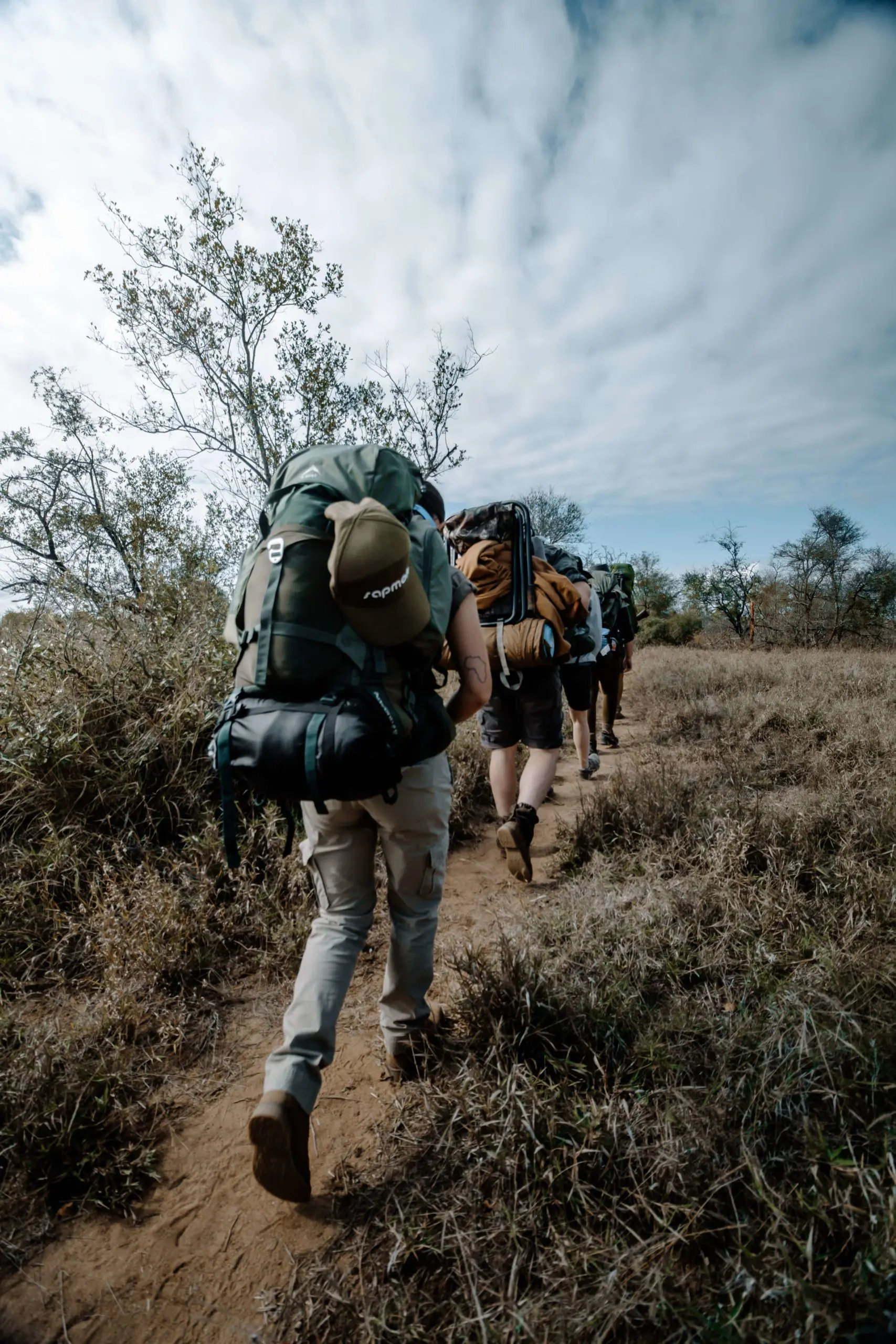
To watch people arrive guarded and uncertain, some convinced they simply need to endure the experience. “If I make it out alive, I’ll be happy” a phrase that often surfaces at the start of a Primitive Trail, echoing a tone of survival. Language that comes from a place where discomfort feels unfamiliar and control feels necessary for safety.
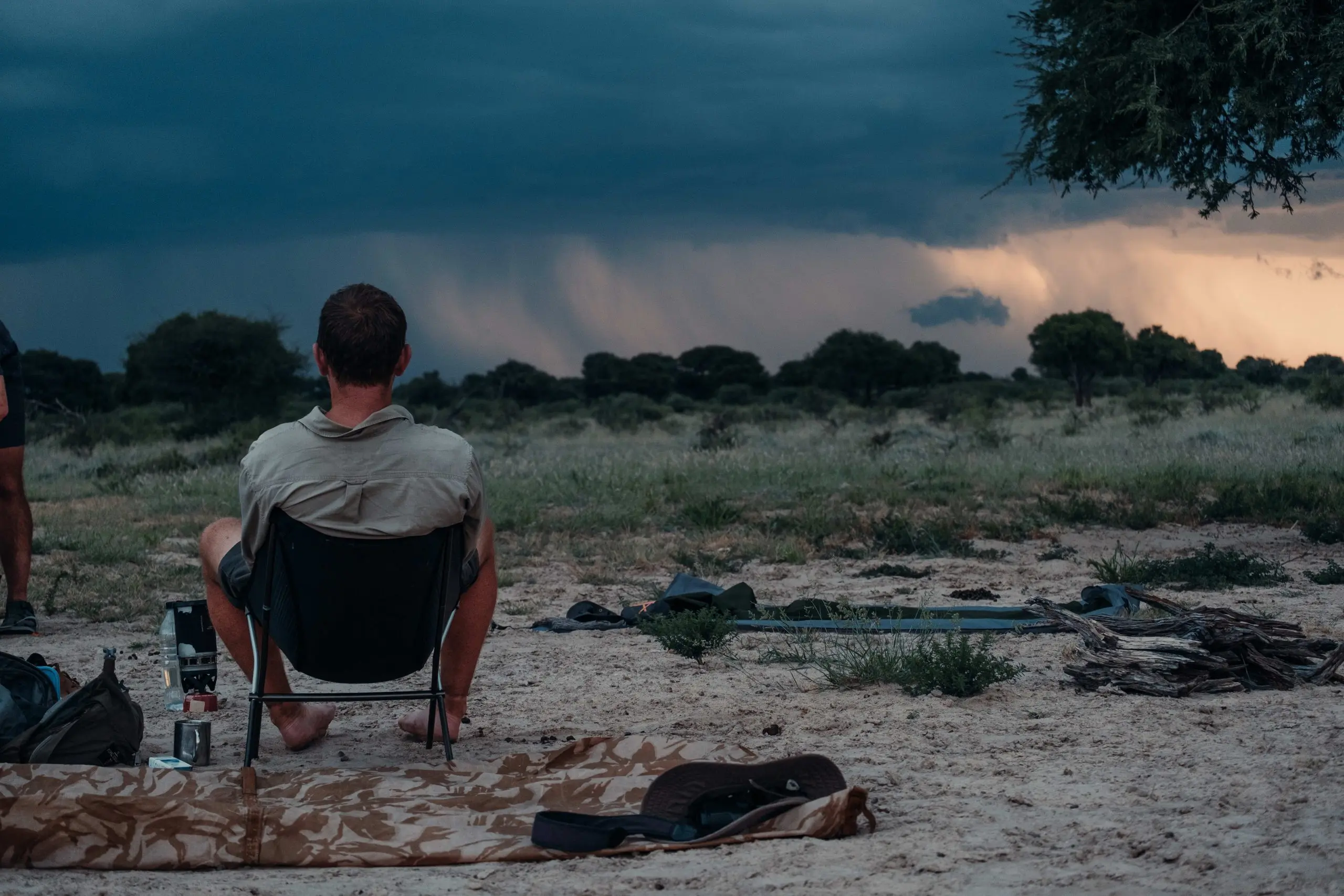
On the first day, you see it in the way some walk: shoulders tight, footfalls are heavy, every sound interpreted as a threat and eyes that dart across the horizon but don’t really see it for what it is. During rest breaks some fill the silence because it feels safer and night watch is often shared.
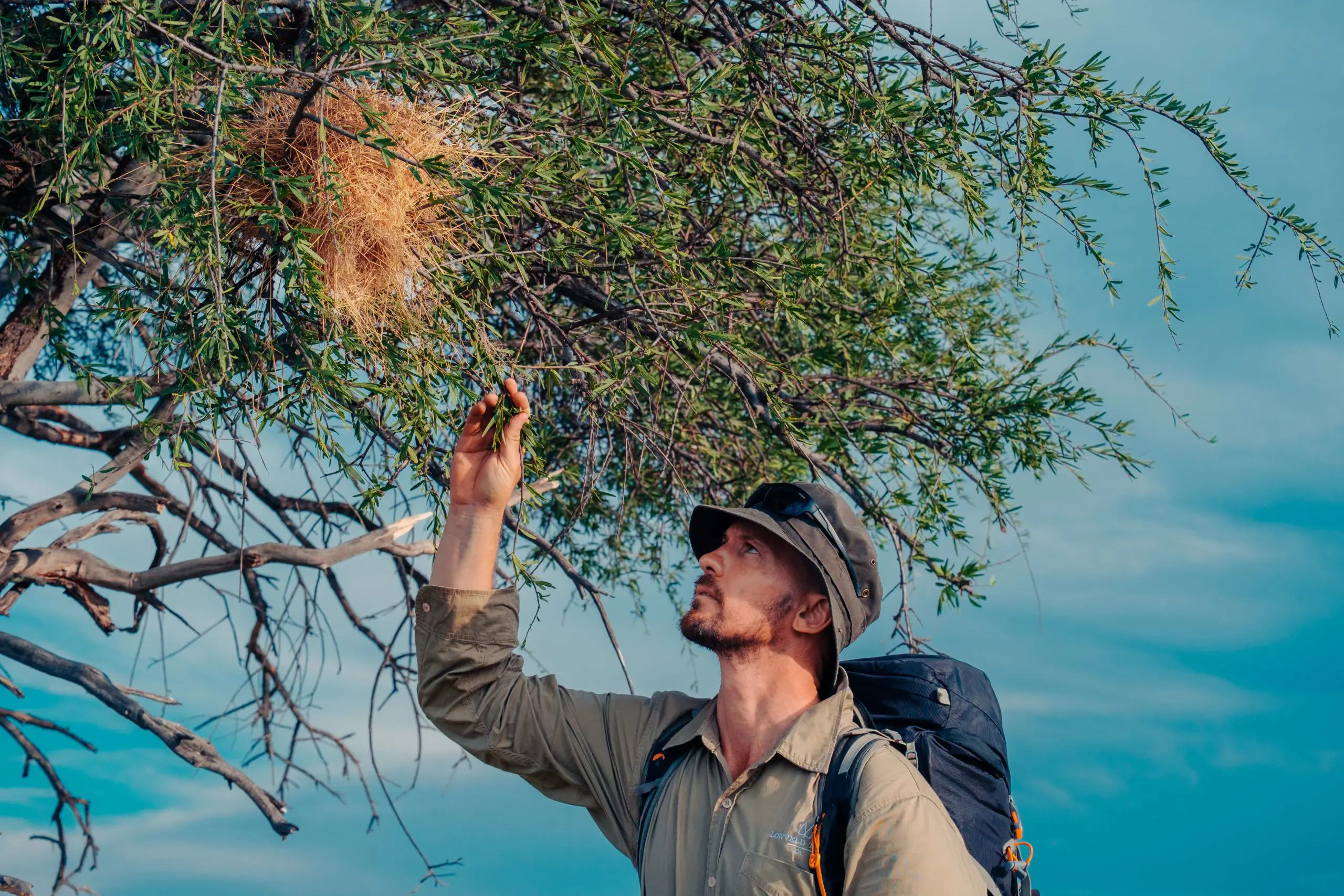
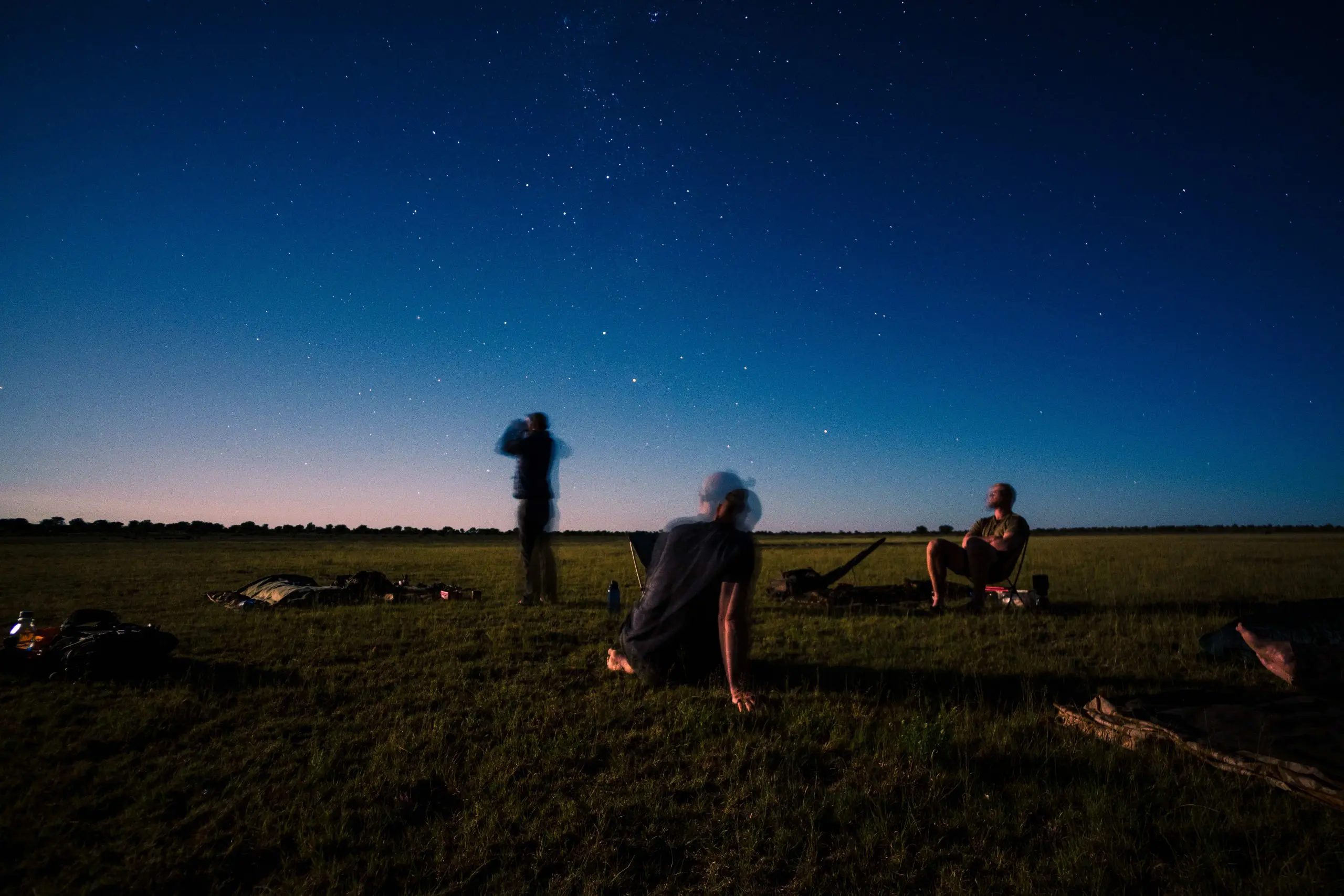
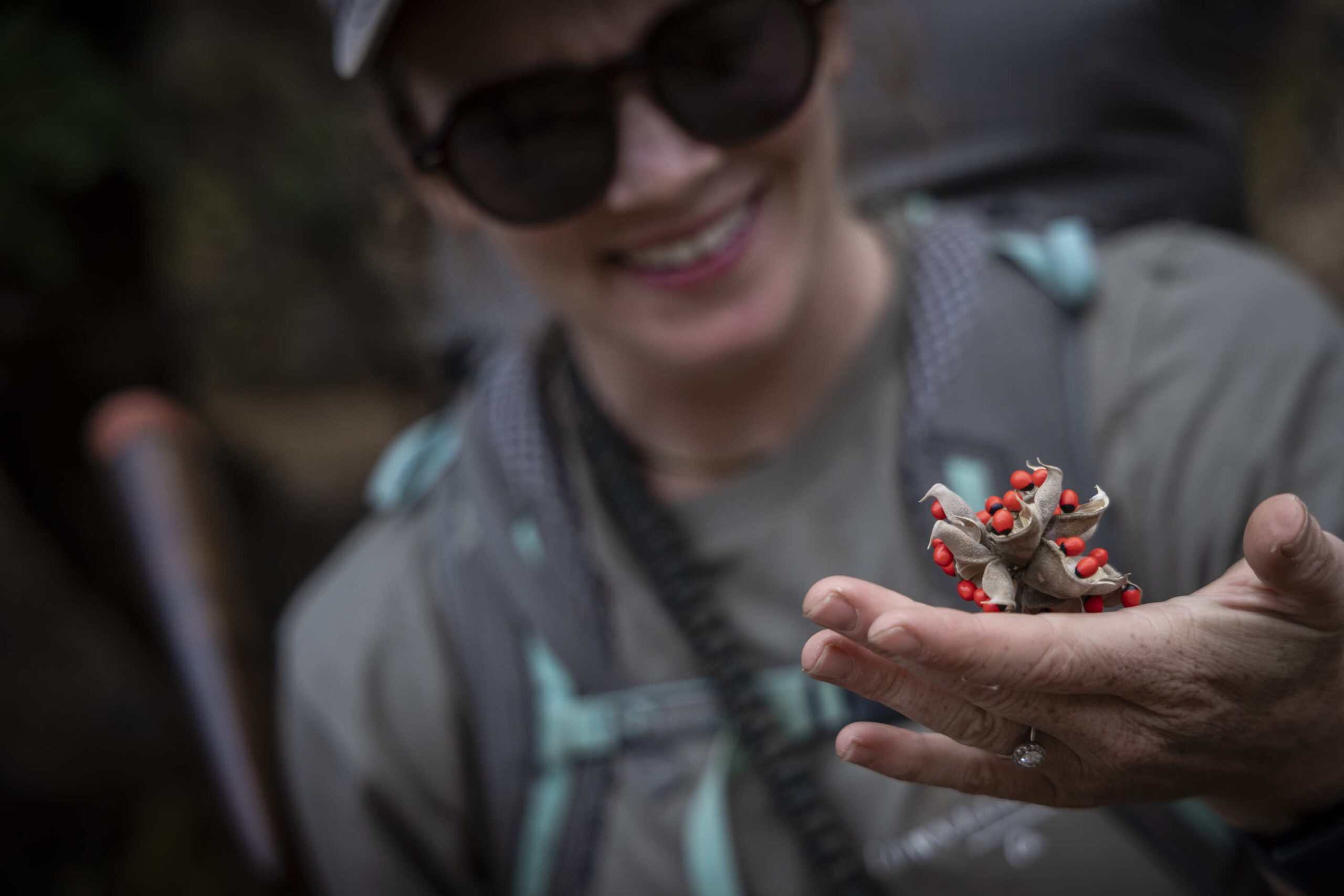
With enough unfiltered time, the need for control begins to soften and tension loosens its grip. The shift reveals itself in both body and language. Movements slow, eyes begin to wander and settle on detail. Voices are lower, and questions are asked differently “Whose tracks are these?” “What’s that sweet smell?” “Can we stop here for a moment?”
People leave with softer eyes, slower steps, and a hunger to return, because what they discover is that beyond that initial fear lies a richer state of being.
Remembering the Blueprint Beneath Modern Life
Again and again, I am reminded: to be human is to live in a constant state of becoming.
In our brief lifetime, wilderness appears to remain unchanged; it is the people who enter it that transform, because in wild places we begin to remember the blueprint beneath modern life.
And yet, even this consistency is something of an illusion.
Though wild places may outlast us, they are not untouched by us. They carry the imprint of our choices, our pressure, our neglect, and our care. The landscapes that heal us are not immune to harm simply because they feel ancient.
Protecting the Medicine: A Call to Conservation
So if wilderness is where I have most often remembered who I am
and where I have watched others remember too,
then what could be more worth protecting?