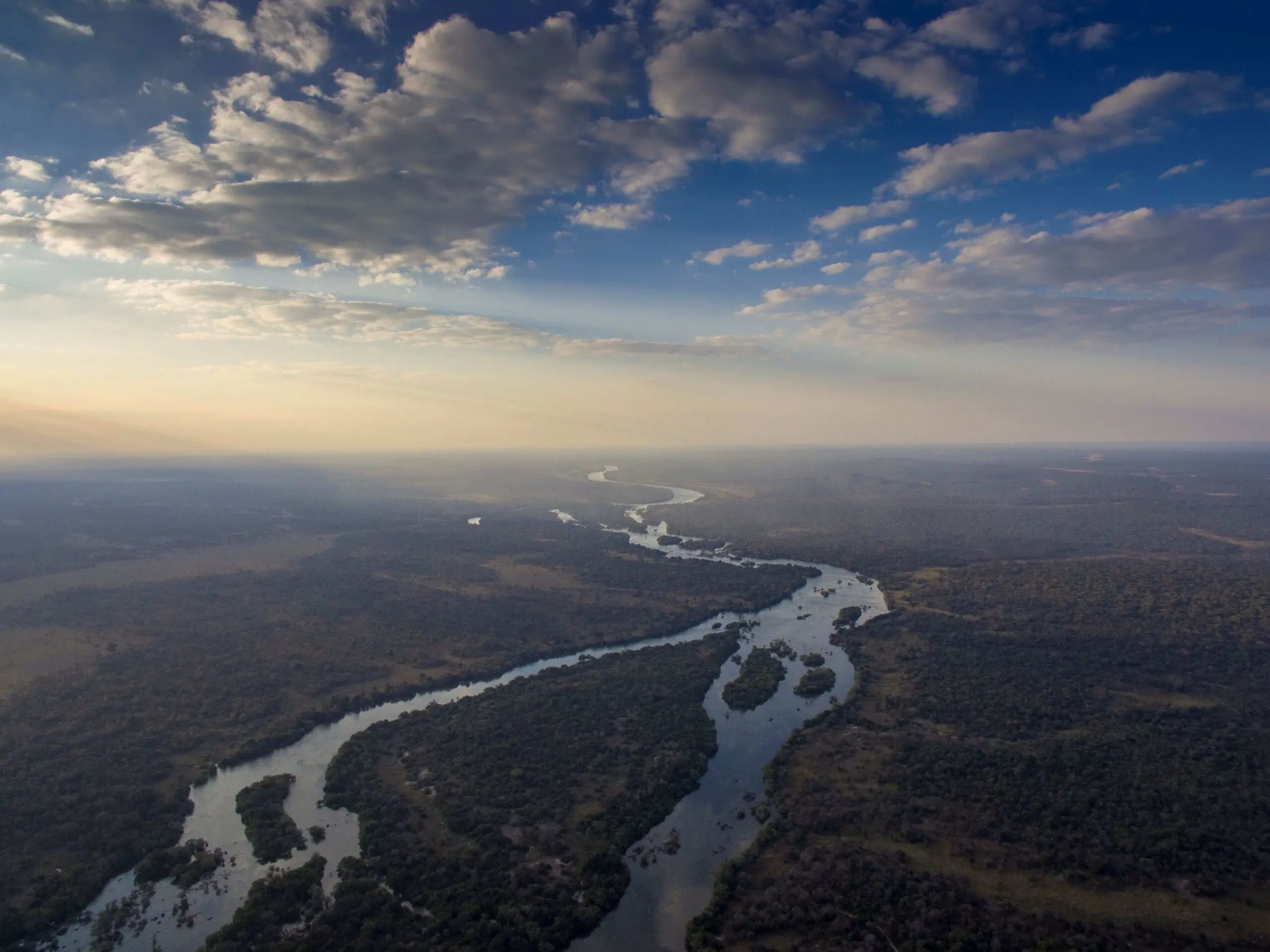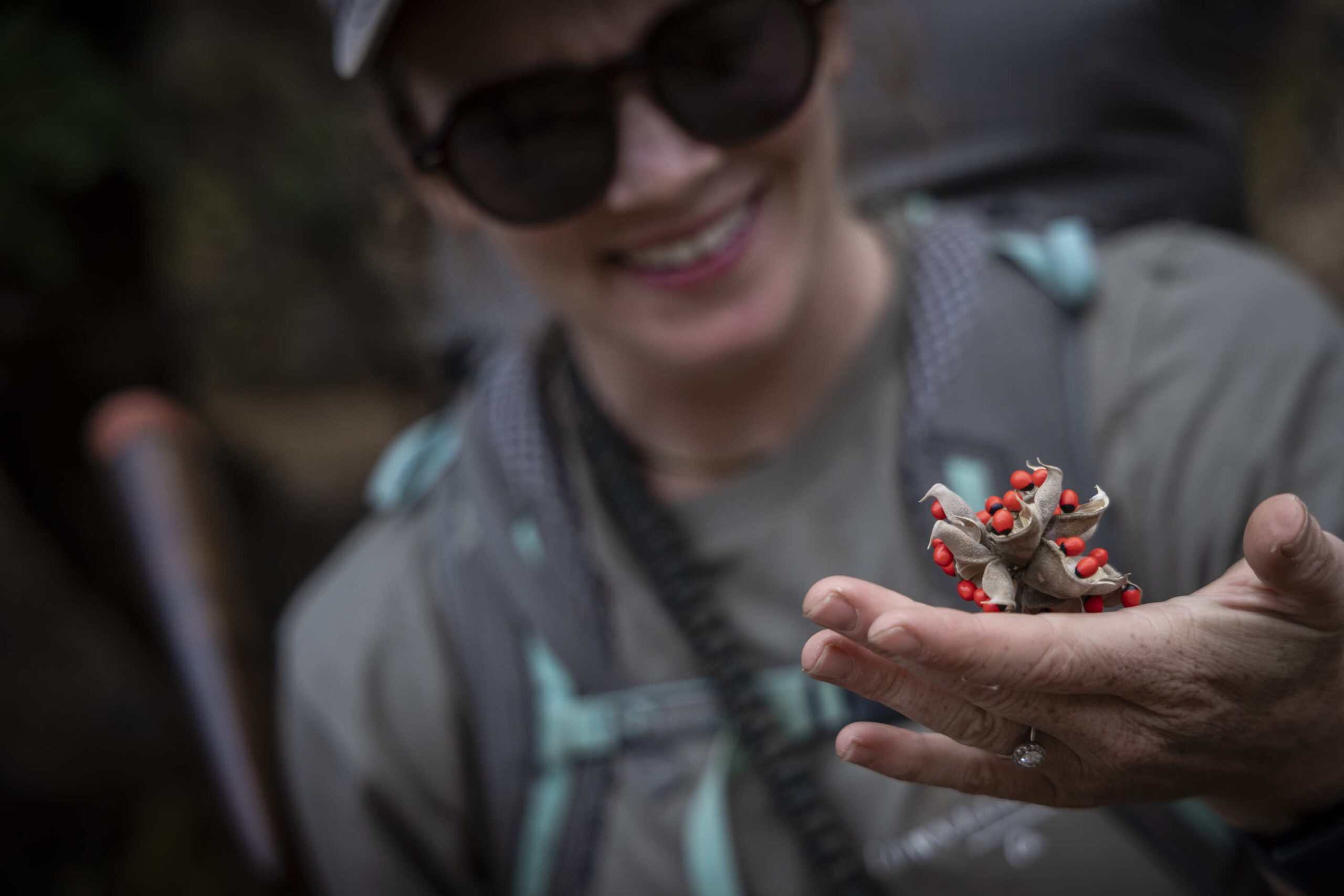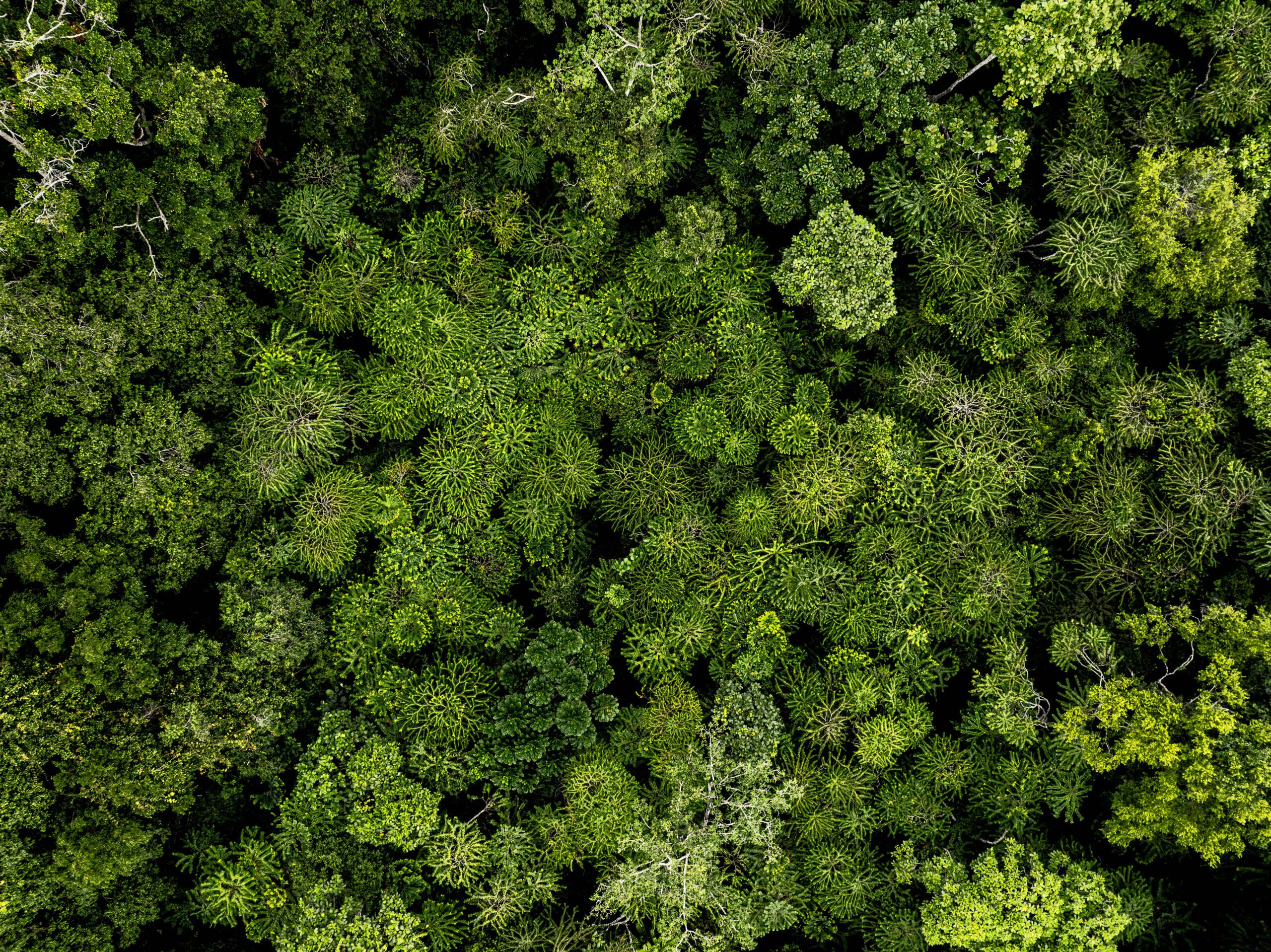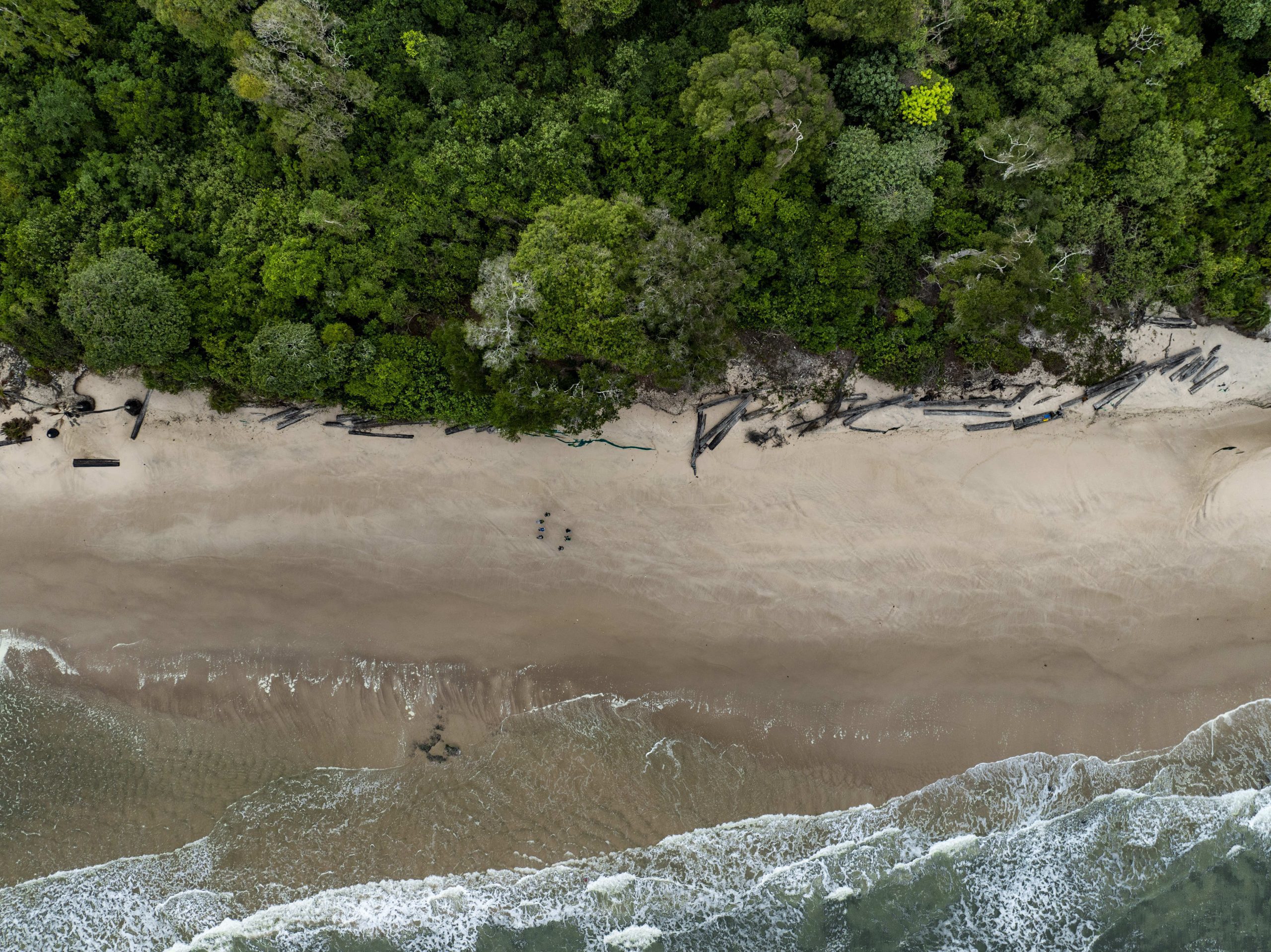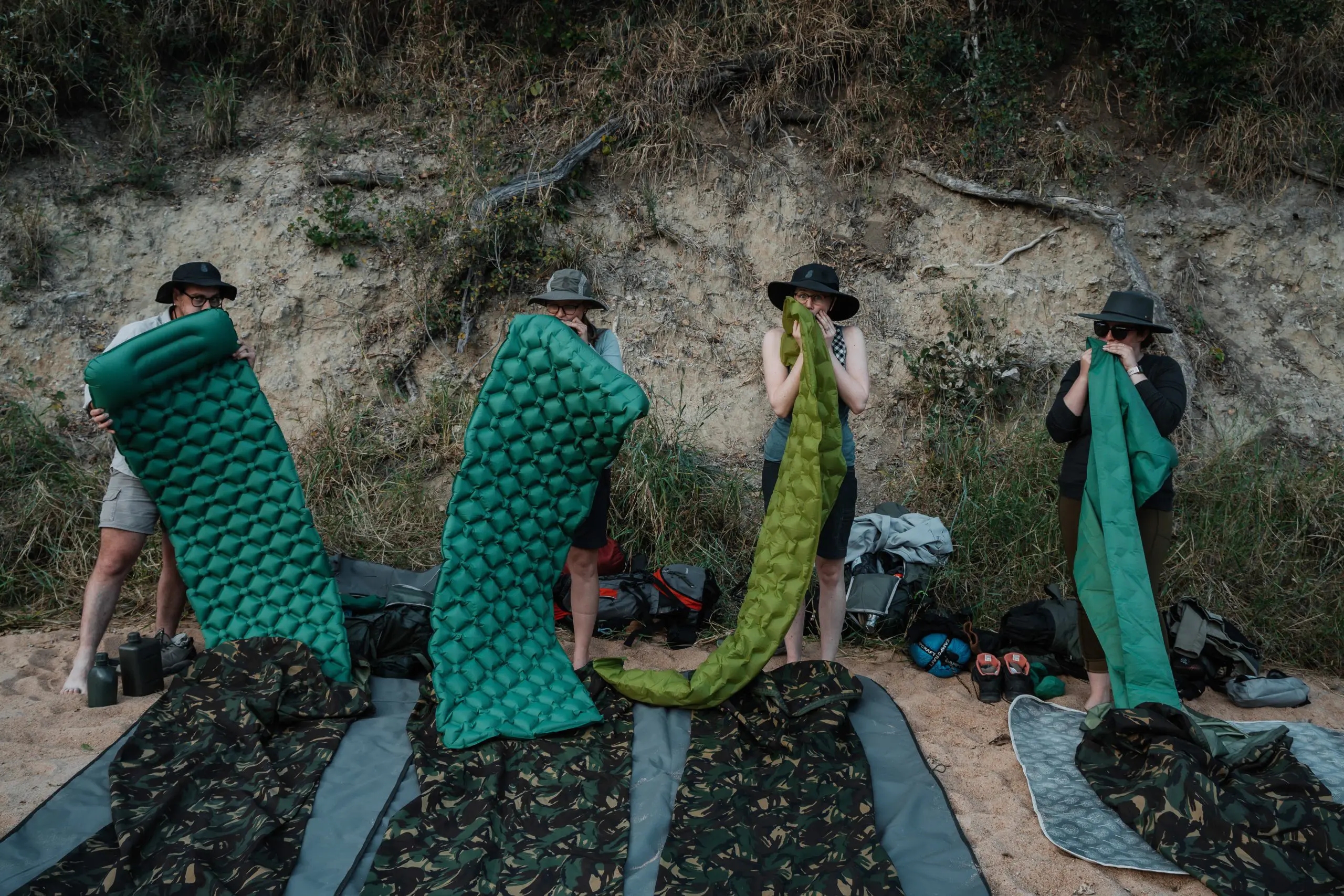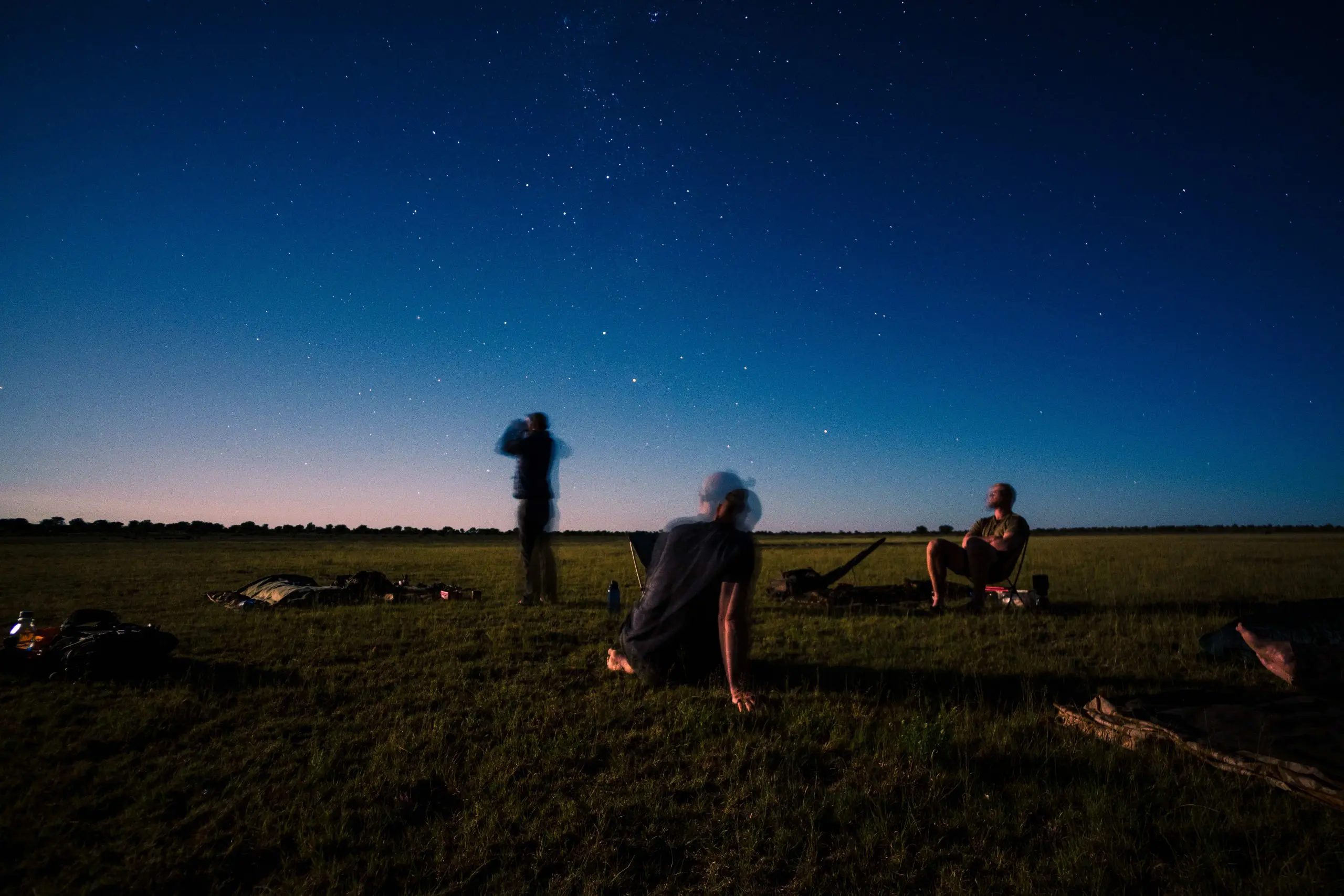


The moonlight climbs the cliff on the opposite bank of the Luvuvhu River, revealing stunted shrubs and gnarled trees seemingly forced into the imposing gorge. The eerie call of a Rock Hyrax breaks the silence, echoing through the deep valley, perhaps signalling a predator’s presence.
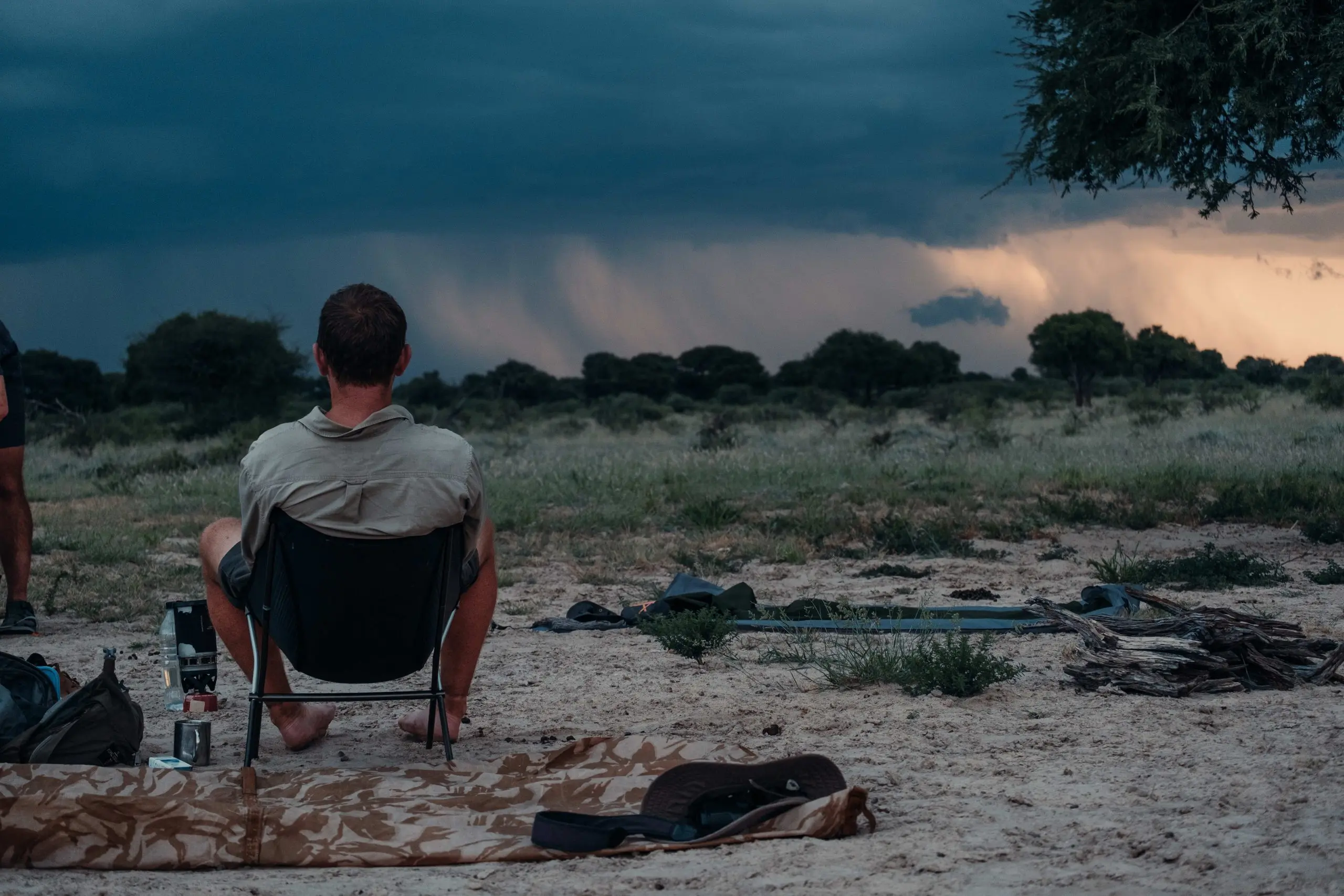
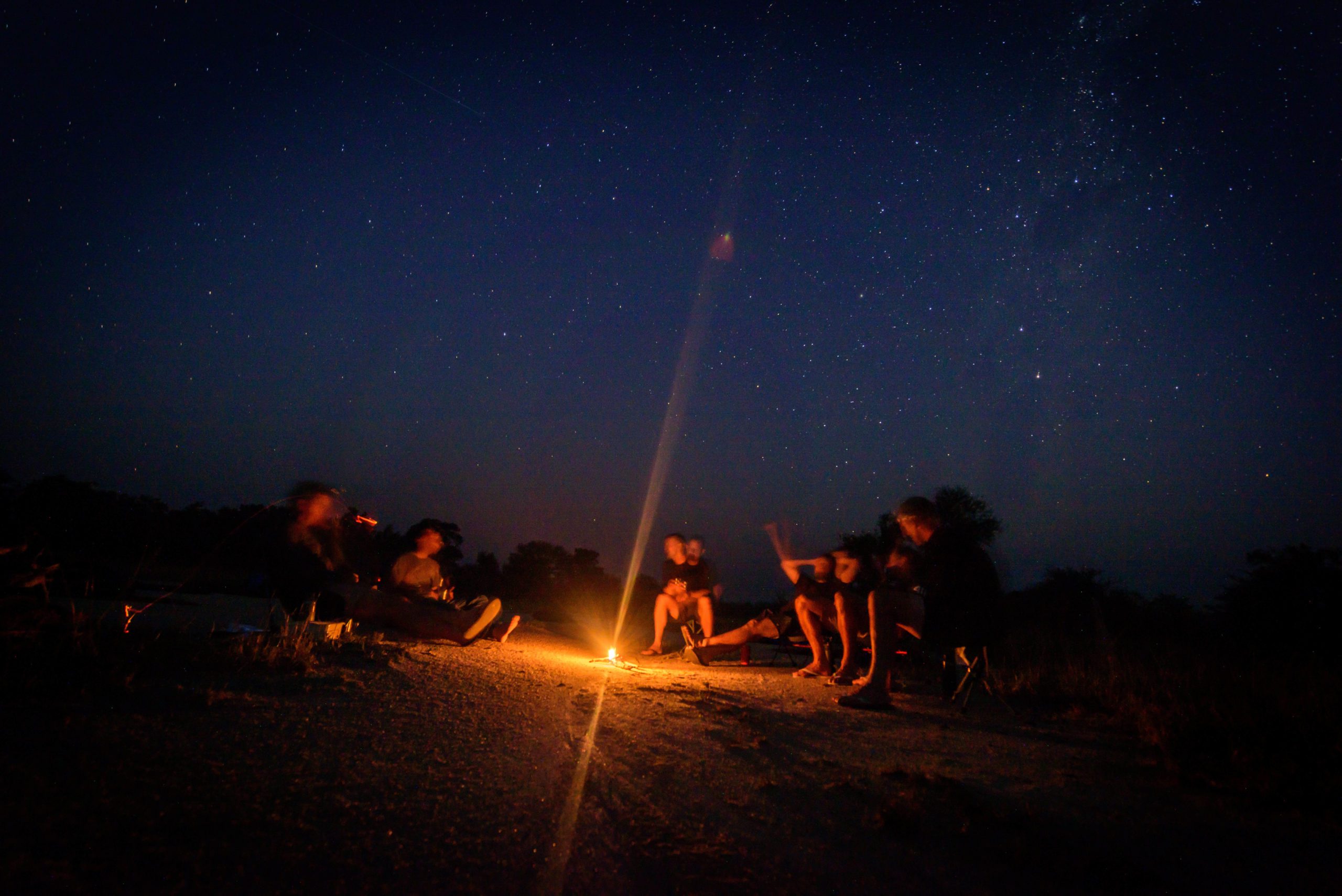
On the final night of our Primitive Trail in Makuya Nature Reserve, as I sit by the fire, I reflect on how this challenging journey has led to a profound sense of happiness. Navigating past a herd of elephants and scrambling over rocks in the heat tested my limits, yet these experiences are essential for personal growth.
For nearly 20 years, I’ve witnessed the transformational power of wilderness experiences, which push participants outside of their comfort zones. Evolutionarily, comfort is a recent phenomenon for humans. Despite our ever-increasing comfort, we face greater stress, anxiety, and depression, suggesting that comfort alone doesn’t cultivate happiness.
Primitive Trails are unsupported, immersive, and technology-free experiences that provide a pathway to well-being through temporary challenges in wild places. Here are three reasons why participants choose to embrace bite-sized chunks of discomfort:
Access to Wilderness
Access to wilderness offers profound, non-ordinary experiences that are often difficult to articulate fully. These wilderness encounters are invaluable and cannot be replicated elsewhere due to their intrinsic qualities: remoteness, serenity, peace, solitude, and opportunities for inspiration.
Wild landscapes, free from infrastructure and motorised activity, facilitate rediscovery within the natural world. It kindles our ancient relationships and rewilds the human imagination. Participants often express a profound sense of belonging, reconnecting with the broader community of life and tapping into a deep-rooted genetic memory that reminds us that we are merely a product of nature.
Opportunity to Reflect
Wilderness experiences also offer us the invaluable gift of time. Without internet access, cell phone signals or material distractions, we are encouraged to embrace simplicity. Just as children with fewer toys engage more deeply in creative play, removing unnecessary distractions allows us the time to explore ourselves in new ways. This fosters self-confidence, imagination, creativity, problem-solving skills, and social connection. It also stimulates us to contemplate alternative scenarios, which clears mental clutter and provides the space to reflect on what truly matters. This process often brings about a level of consciousness that many participants describe as an ‘awakening’.
Perhaps it’s the perceived risk of sharing space with dangerous animals or regularly encountering animal bones that evoke thoughts of our mortality. Whatever it is, these wild experiences shift the focus to our finite existence. In fact, reflecting on our mortality can enhance our happiness and help us lead more meaningful lives. The Kingdom of Bhutan encourages its citizens to contemplate their own death three times a day, and they are often cited as among the happiest people in the world.
By becoming a participant in nature, our senses are once again engaged on a primal level. It heightens our awareness, and urges us to live in the moment. It is here, in the moment and devoid of distraction, that we find clarity and perspective.
The Value of Experience
The progressive loss of direct human-nature interaction has been termed the “extinction of experience,” and it may yet prove to be one of the critical environmental concepts of our era. This disconnection from our natural habitat negatively impacts our well-being and undermines conservation efforts.
Experiences enrich our lives, helping us to cultivate a deeper understanding of ourselves and our place within the larger tapestry of life. In a rapidly changing world, embracing diverse experiences becomes essential for leading a fulfilling and meaningful existence.
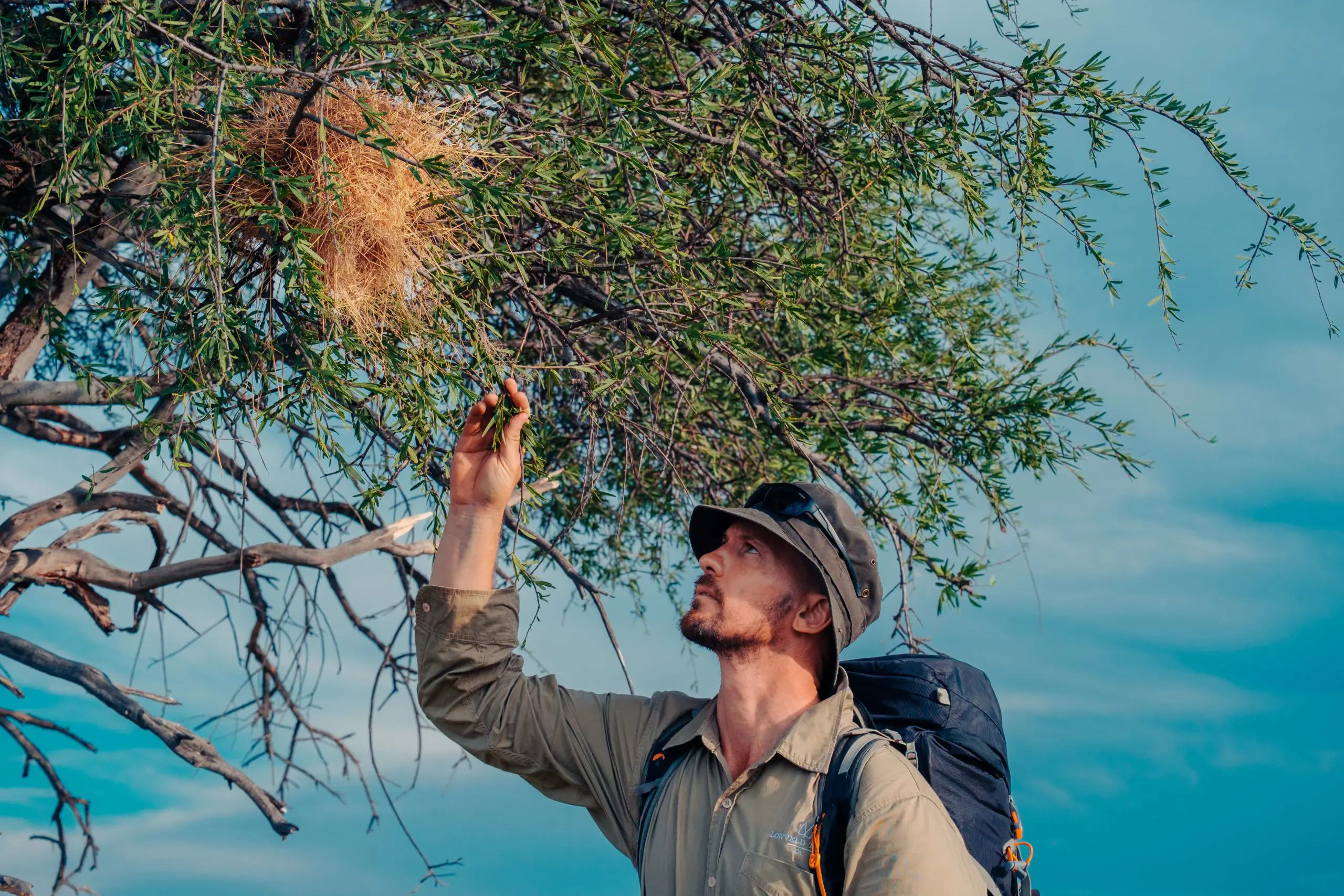
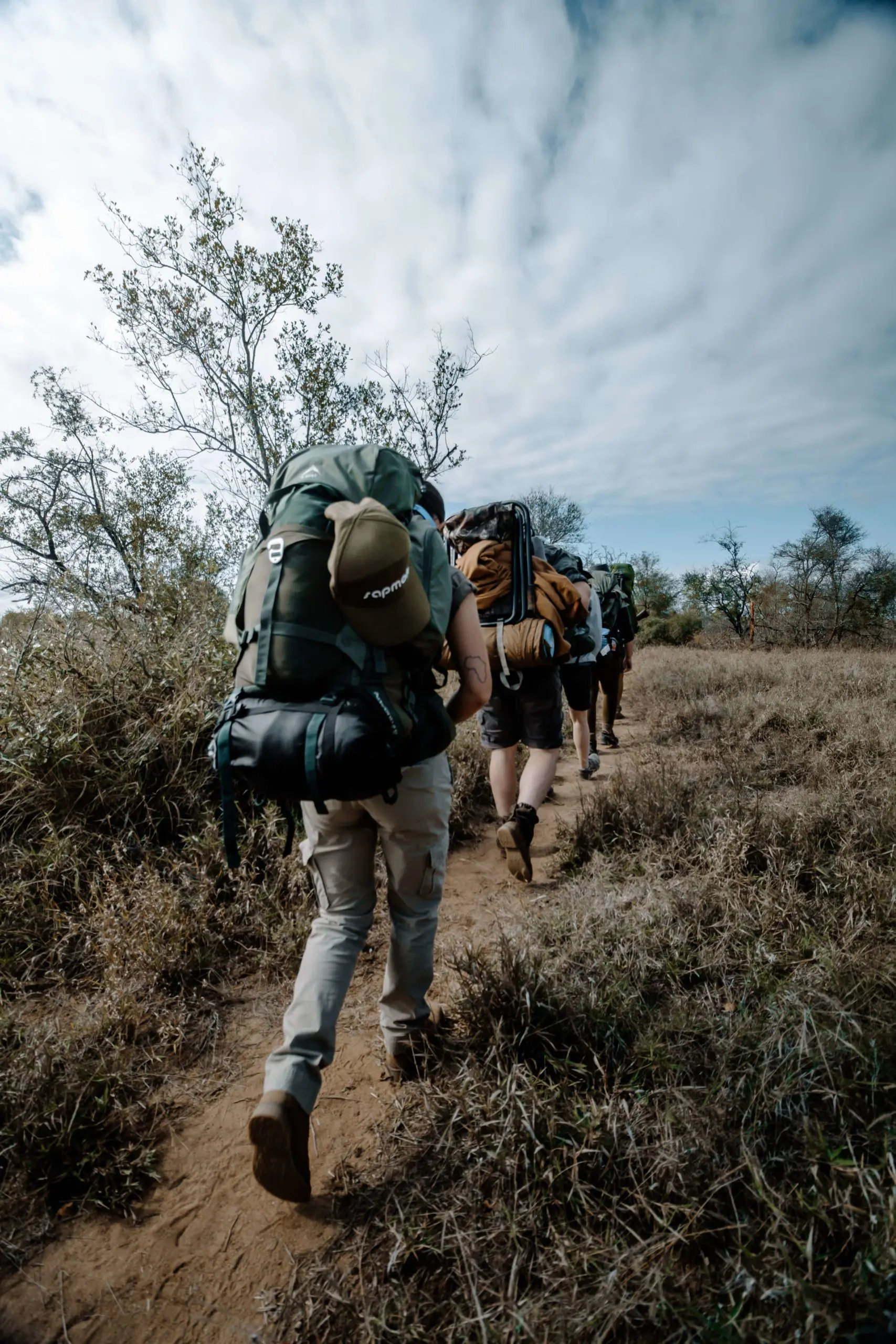
The experience of physical challenges is also crucial for personal growth and development. We regularly require physical challenges in order to foster resilience. While on Primitive Trail, we engage in something called “rucking”. It involves carrying a backpack (weighing 20% of your body weight). Rucking is a great form of exercise because it combines cardio and strength training to improve your overall fitness.
Embracing physical and mental discomfort in the wild not only paves the path to happiness but also restores the way we value nature. In those challenging moments, we uncover profound lessons about our own abilities, revealing the secrets of our inner depths.
Civilisation is like a caged animal, and the bars of our enclosure are made from the stories that we repeatedly tell and believe. One of those stories is that purely comfort will cultivate true happiness. Only once we stop telling these stories and acting them out, will the bars to our cage crumble and set us free. By stepping into the wild, we reconnect with ourselves and each other, forging a deeper understanding of our place in the world. We are on the cusp of discovering that true fulfilment and happiness lies in the richness of wilderness experiences.