
When we talk about conservation, what exactly are we trying to conserve?
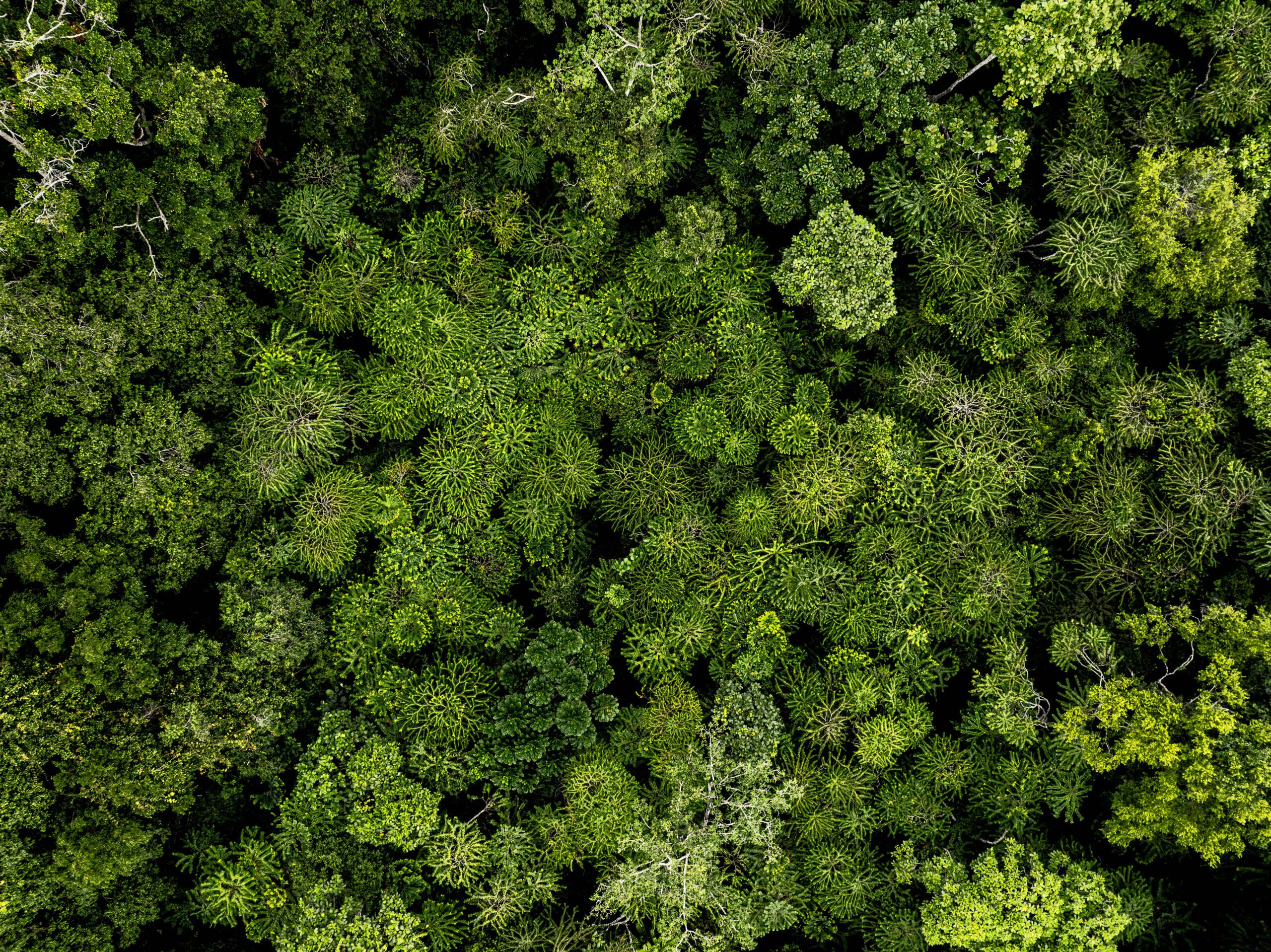
Most people would answer with things like wildlife, forests, rivers, wetlands, or biodiversity. These are the visible components of nature – the things we can count, measure, map, and monitor. Conservation organisations often speak about species populations, habitat loss, water quality, carbon storage, and ecological processes. These are all critically important.
But perhaps there is more to conserve besides these tangible aspects. Perhaps some of the most valuable things that wild places provide are not things at all.
Nature Conservation vs. Wilderness Conservation
Many people do not distinguish between nature conservation and wilderness conservation. Yet there is an important difference. Nature conservation is primarily concerned with protecting the tangible elements of the natural world. Wilderness conservation, while dependent upon ecological integrity, seeks to protect something more elusive: the experience of wildness itself.
At Lowveld Trails Company, we define wilderness as:
“An ecologically intact landscape with associated wild qualities, largely untrammelled by modern human infrastructure.”
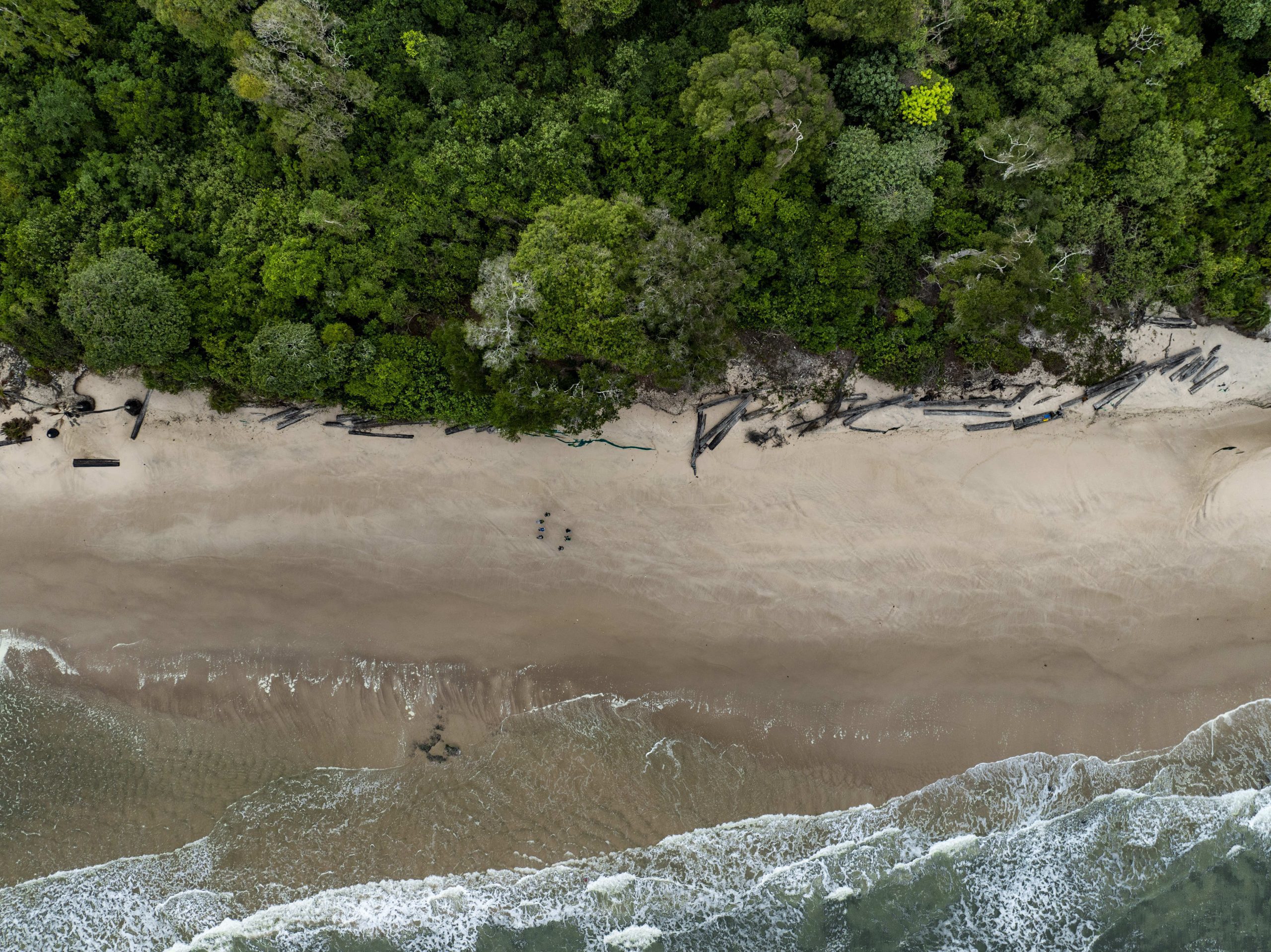
This definition recognises that wilderness is more than healthy ecosystems. It is also about the qualities that emerge from those ecosystems when they remain largely free from roads, buildings, machinery, noise, and other forms of modern human influence.
The Intrinsic Qualities of Unfiltered Space
These are often referred to as intrinsic wilderness qualities.
They include silence, solitude, remoteness, unpredictability, vulnerability, wonder, humility, and awe. They are not things that can be fenced, counted, or measured. They exist within the relationship between a person and a landscape.
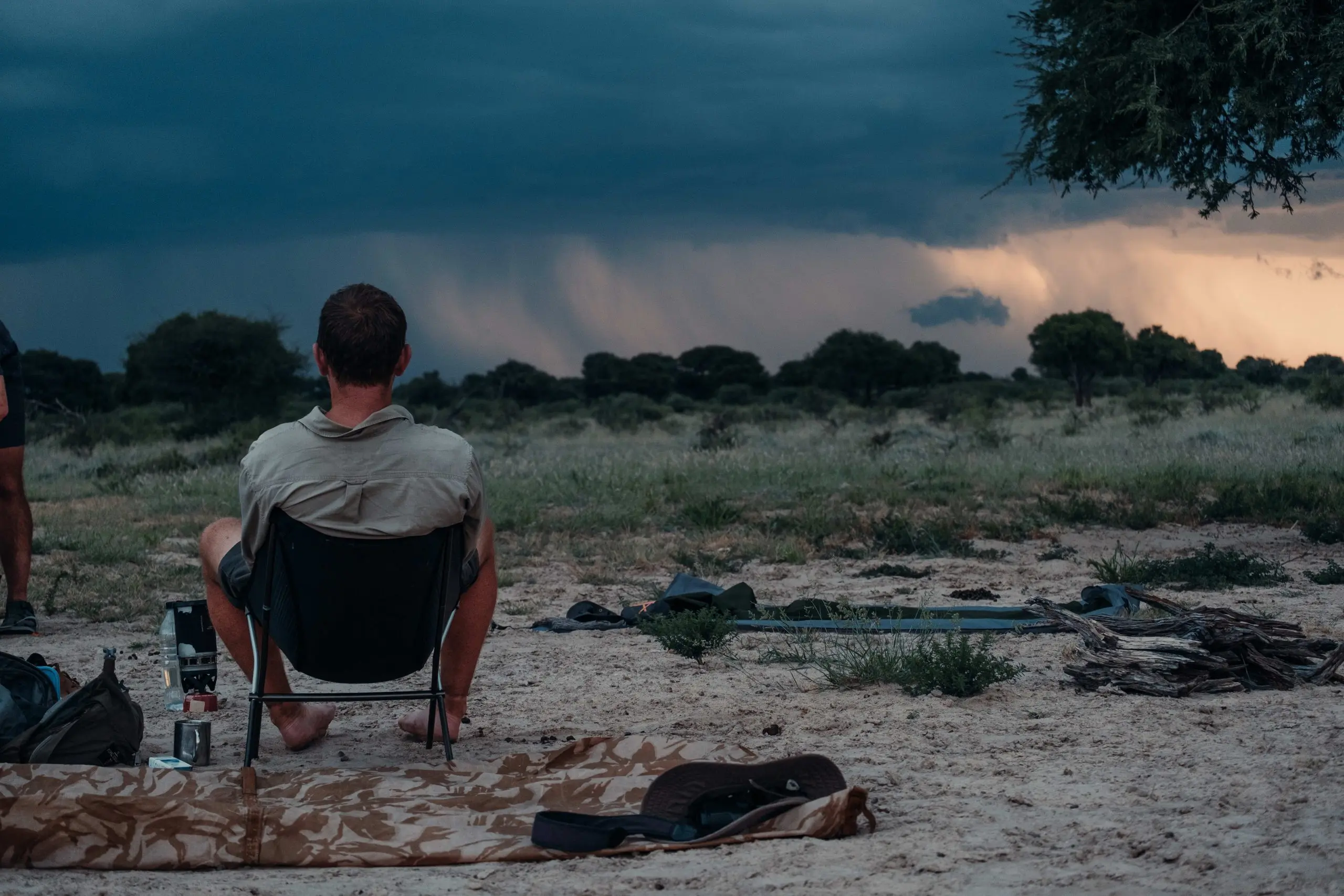
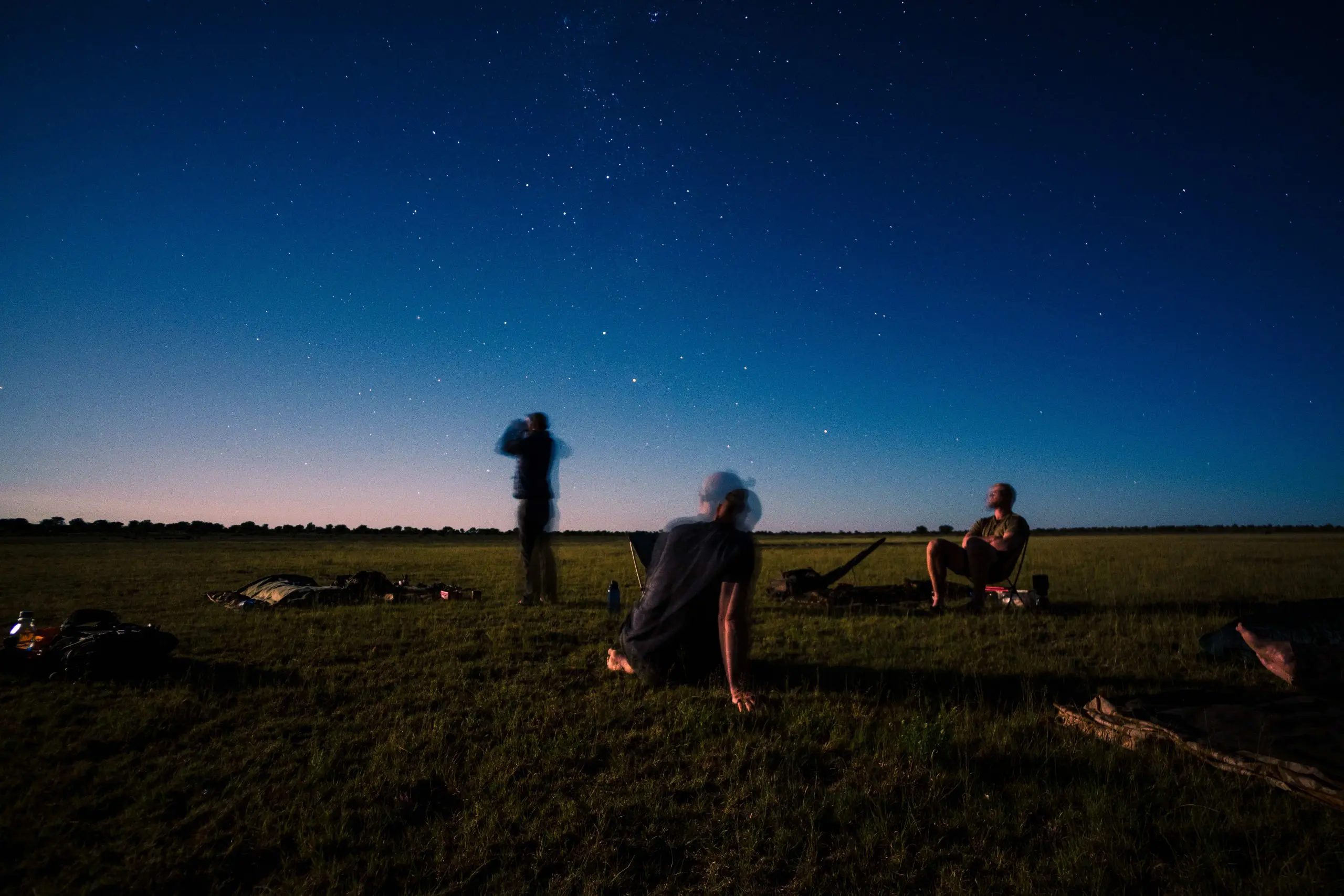
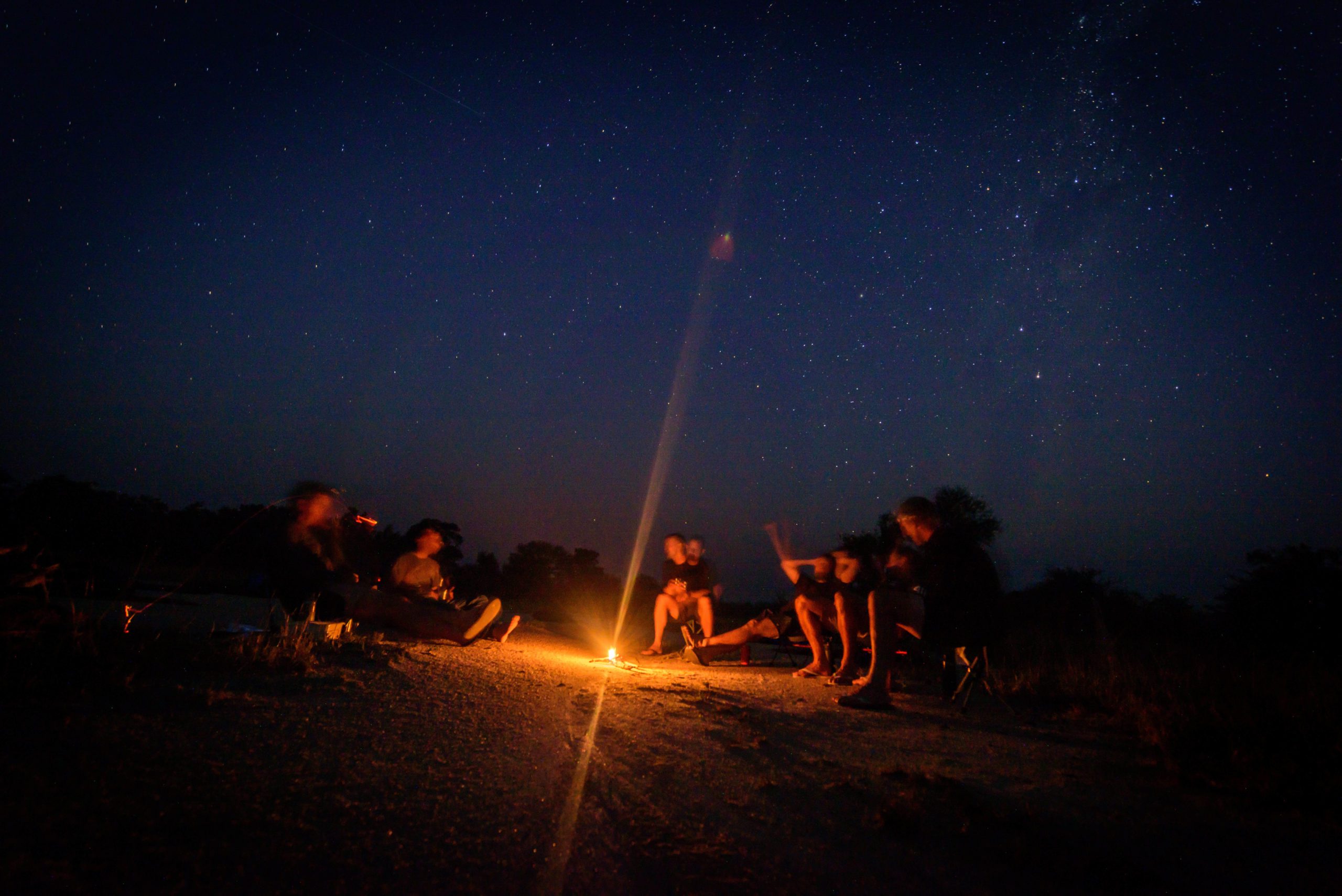
- The silence experienced while sitting beside a small fire in the Kalahari at night.
- The darkness of a night sky untouched by artificial light.
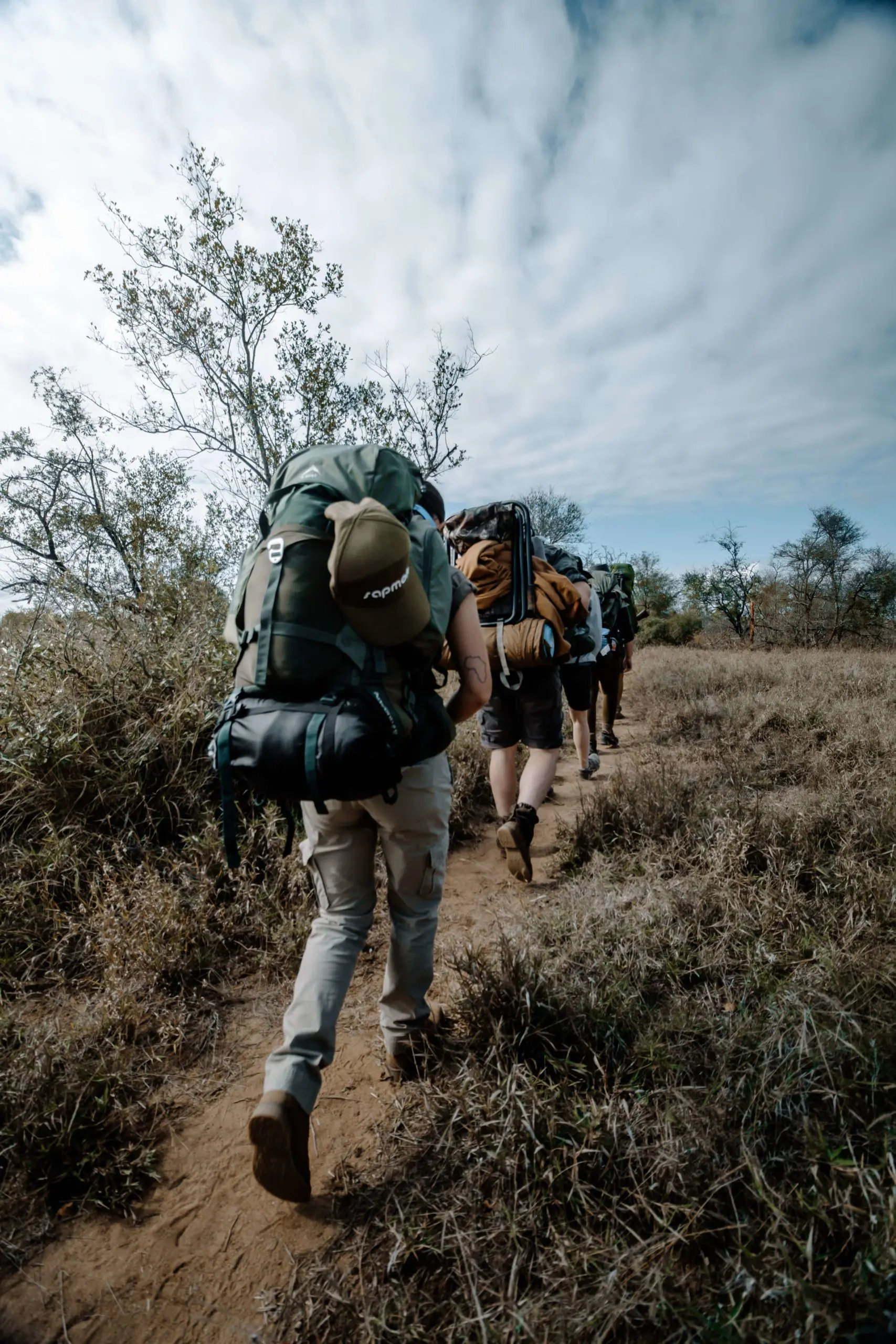
- The feeling of vulnerability that comes from walking through a landscape where wild animals move freely.
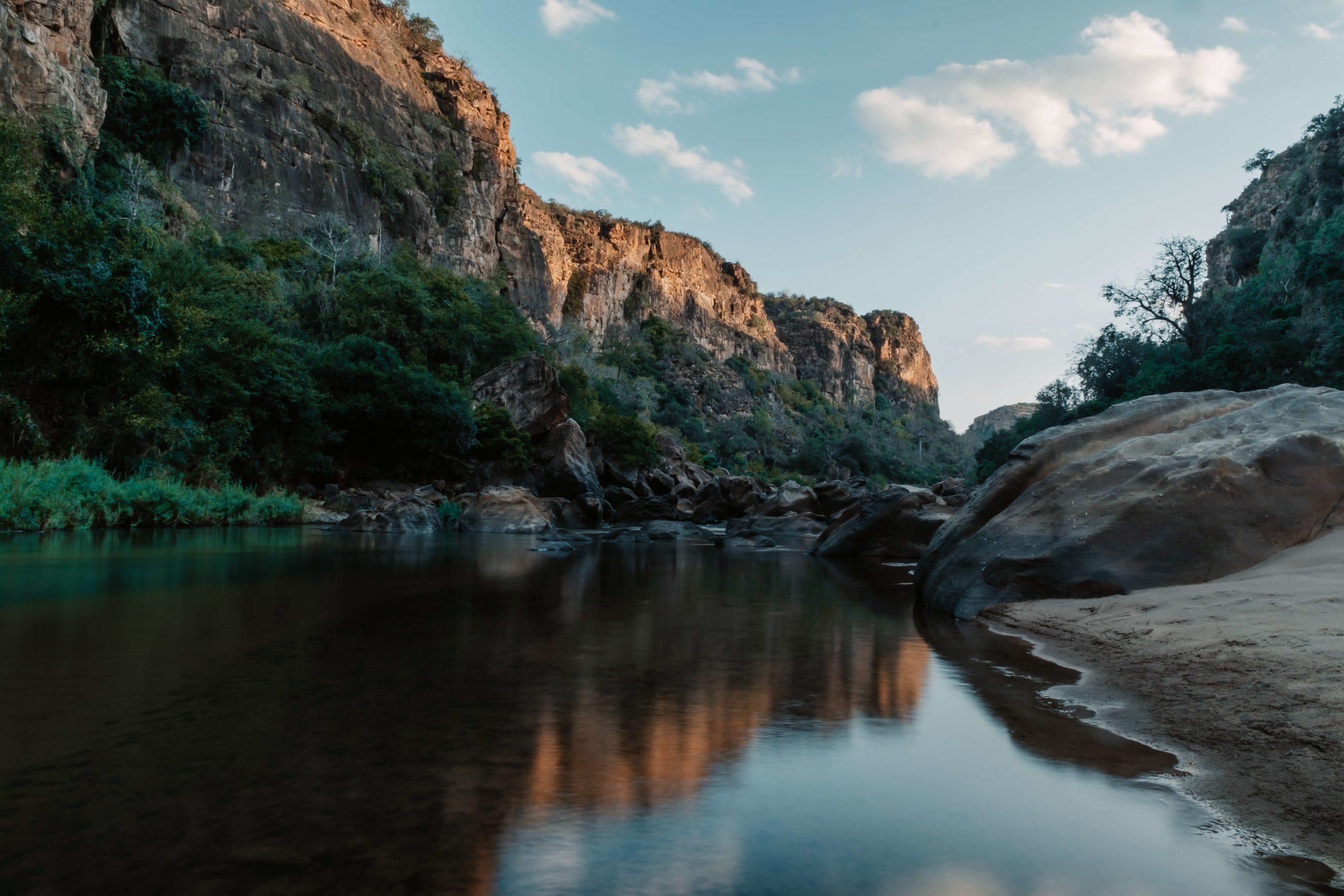
- The sense of perspective that arises when standing in a vast place that clearly does not revolve around human needs.
These qualities are intangible, yet for many people, they become the most meaningful aspects of a wilderness experience.
The challenge is that many people have never experienced them. Someone who has never spent time in a genuinely wild place may struggle to understand why wilderness itself is worth conserving. The value of an elephant or a forest is relatively easy to explain. The value of silence is harder to communicate. The value of solitude even more so.
“Those who have experienced wilderness often speak less about the wildlife they saw and more about how the place made them feel.”
They remember the stars. They remember the absence of roads and engines. They remember the silence, broken only by the distant cry of a jackal. They remember the feeling of being connected – the feeling of being a part of something much bigger than themselves.
Protecting Endangered Experiences
This suggests that wilderness conservation is not simply about protecting landscapes. It is about protecting opportunities for certain experiences to occur.
Nature conservation and wilderness conservation are therefore not competing ideas. They are partners. Without healthy ecosystems, there can be no wilderness. Ecological integrity is the foundation upon which all wilderness experiences depend.
But if conservation focuses only on ecological integrity, something important may be overlooked. A landscape can be biologically rich while losing many of the qualities that make it feel wild. The conservation of wilderness asks us to consider not only what exists in a place, but also what that place allows us to experience.
As roads expand, aircraft become more common, and infrastructure reaches increasingly remote areas, these intrinsic wilderness qualities become ever more fragile.
"The most endangered phenomenon of our time is the Experience of Wilderness."
We often speak about protecting endangered species. Perhaps we should also be speaking about protecting endangered experiences. Because if wilderness has anything to teach us, it is that some of the most valuable things in life cannot be seen, touched, or measured.
They can only be experienced.