

One of the great challenges of wilderness conservation is that people need to experience wilderness in order to value it.
Yet the more people who experience it, the greater the risk of diminishing the very qualities that make it special.
This dilemma was captured by Aldo Leopold, often regarded as one of the founding figures of wilderness conservation, when he wrote:
“All conservation of wildness is self-defeating, for to cherish we must see and fondle, and when enough have seen and fondled, there is no wilderness left to cherish.”
At first glance, it seems like an impossible problem.
If people never experience wilderness, why would they care enough to protect it? But if access is unrestricted, wilderness qualities can quickly begin to erode. Roads appear. Infrastructure follows. Visitor numbers increase. Solitude becomes harder to find. Silence becomes less common.
Eventually, the wilderness experience itself disappears.
The Fragility of Intrinsic Qualities
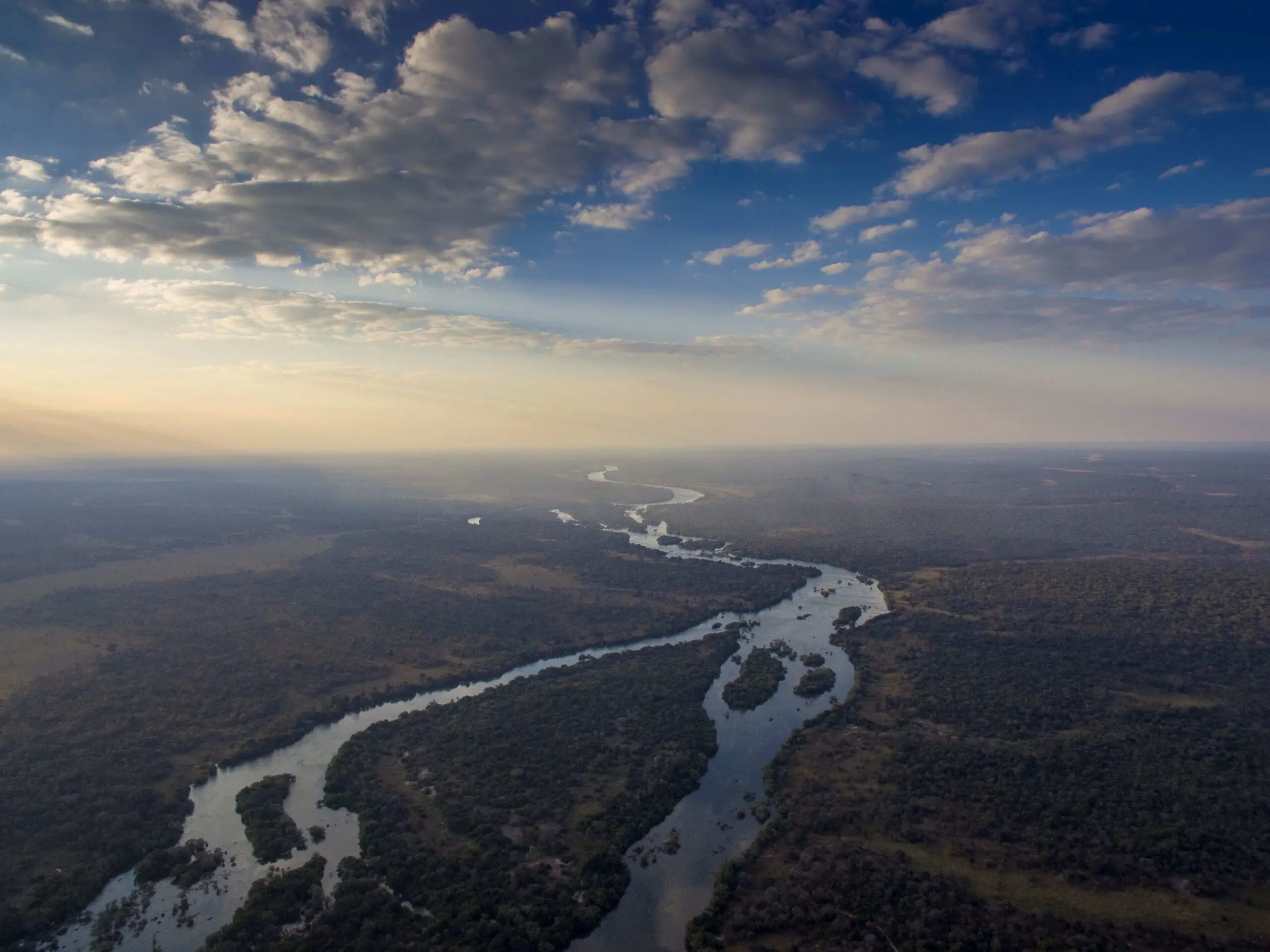
Unlike many other conservation objectives, wilderness conservation is concerned not only with what exists in a landscape, but also with how that landscape is experienced. A wilderness area may still support healthy wildlife populations and intact ecosystems yet lose much of its wild character through increasing human presence and development.
The challenge lies in recognising that wilderness qualities are fragile.
Silence can be shattered by a single aircraft passing overhead.
A sense of remoteness can be altered by the hum of a distant road.
The feeling of solitude can disappear when encountering signs of other (modern) people.
These impacts may leave little trace on the land itself, yet they can fundamentally alter the experience of being there.
This is why wilderness conservation often requires a different approach to management than many people expect.
Conservation is frequently associated with providing access. Build a road so people can visit. Construct accommodation so more people can stay. Improve facilities so the area becomes more attractive and comfortable.
In many protected areas these developments make perfect sense.
In wilderness areas, however, the same developments undermine the very qualities that visitors have come to experience.
Protecting the Experience
The challenge is not simply how to protect the landscape.
The challenge is how to protect the experience.
This inevitably raises difficult questions. How many people can visit a wilderness area before solitude begins to disappear? How much convenience can be introduced before wildness begins to fade?
There are no universal answers.
Every wilderness area is different. Some landscapes can absorb more visitors than others. Some wilderness qualities are more resilient than others. But the principle remains the same: access must be balanced against preservation.
The very qualities that make it valuable often depend upon restraint. Roads are absent. Development is limited. Motorized access is restricted. Not because people are unwelcome, but because certain experiences can only exist when human influence remains minimal.
The paradox is that wilderness needs advocates, and advocates are often created through direct experience.
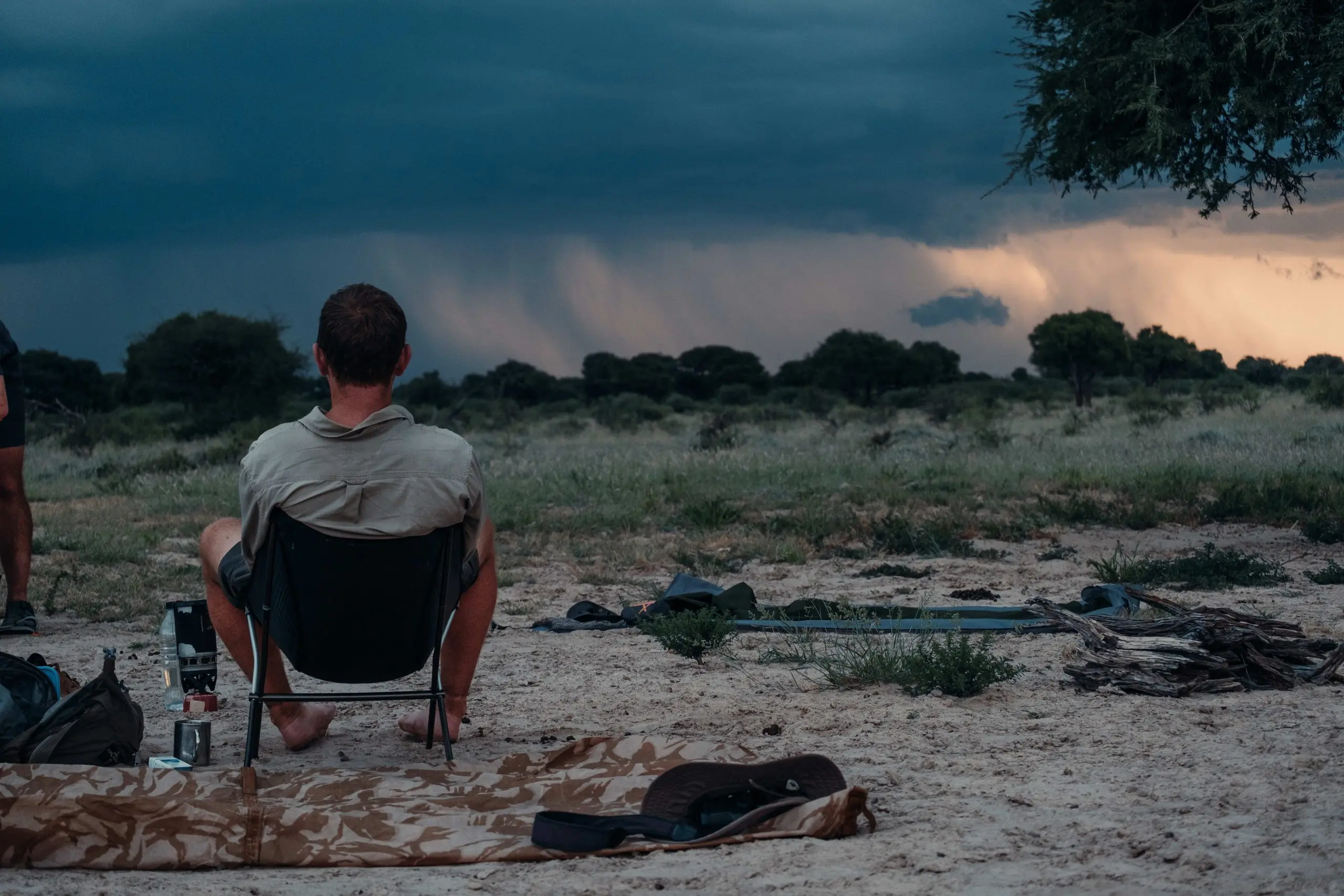
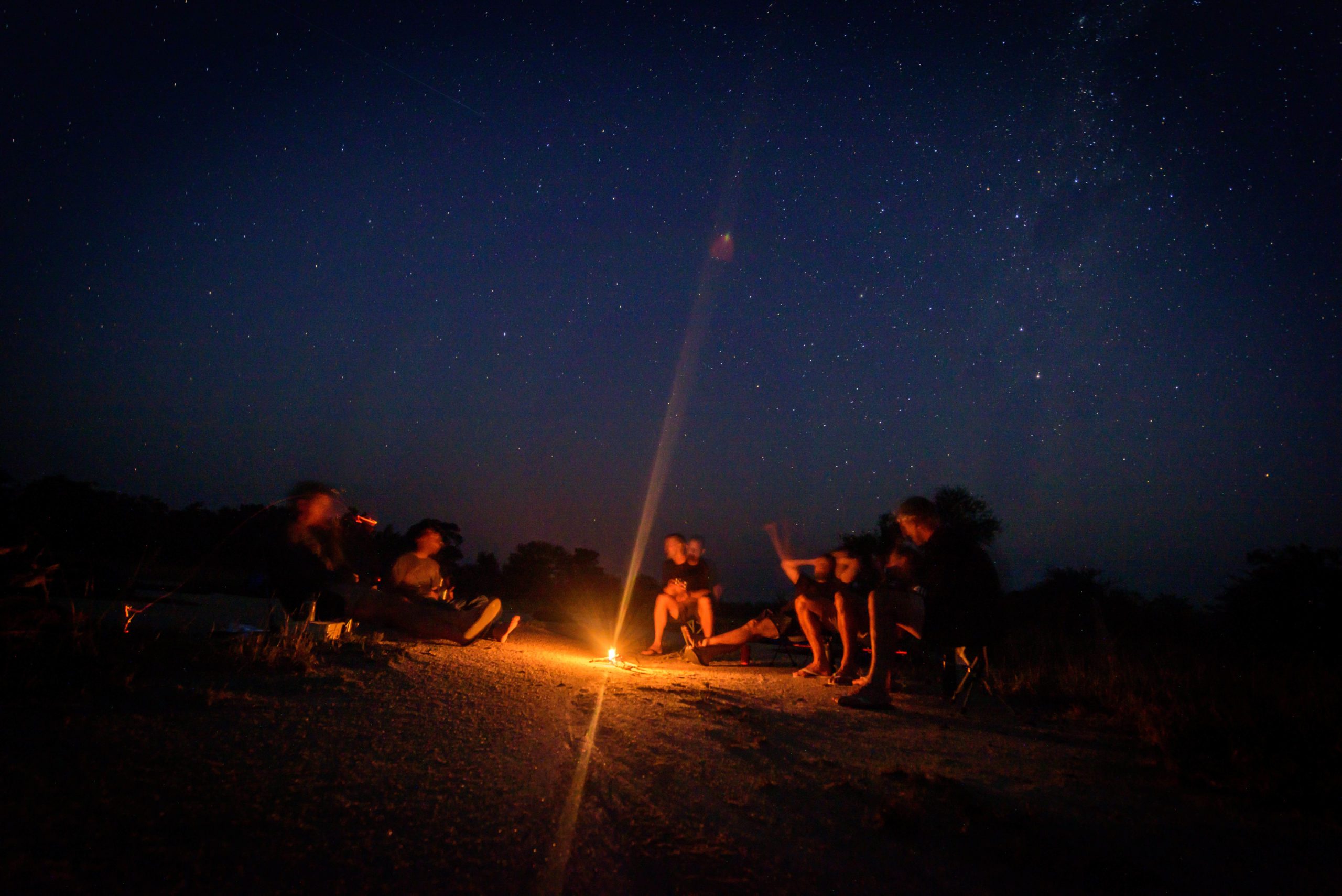
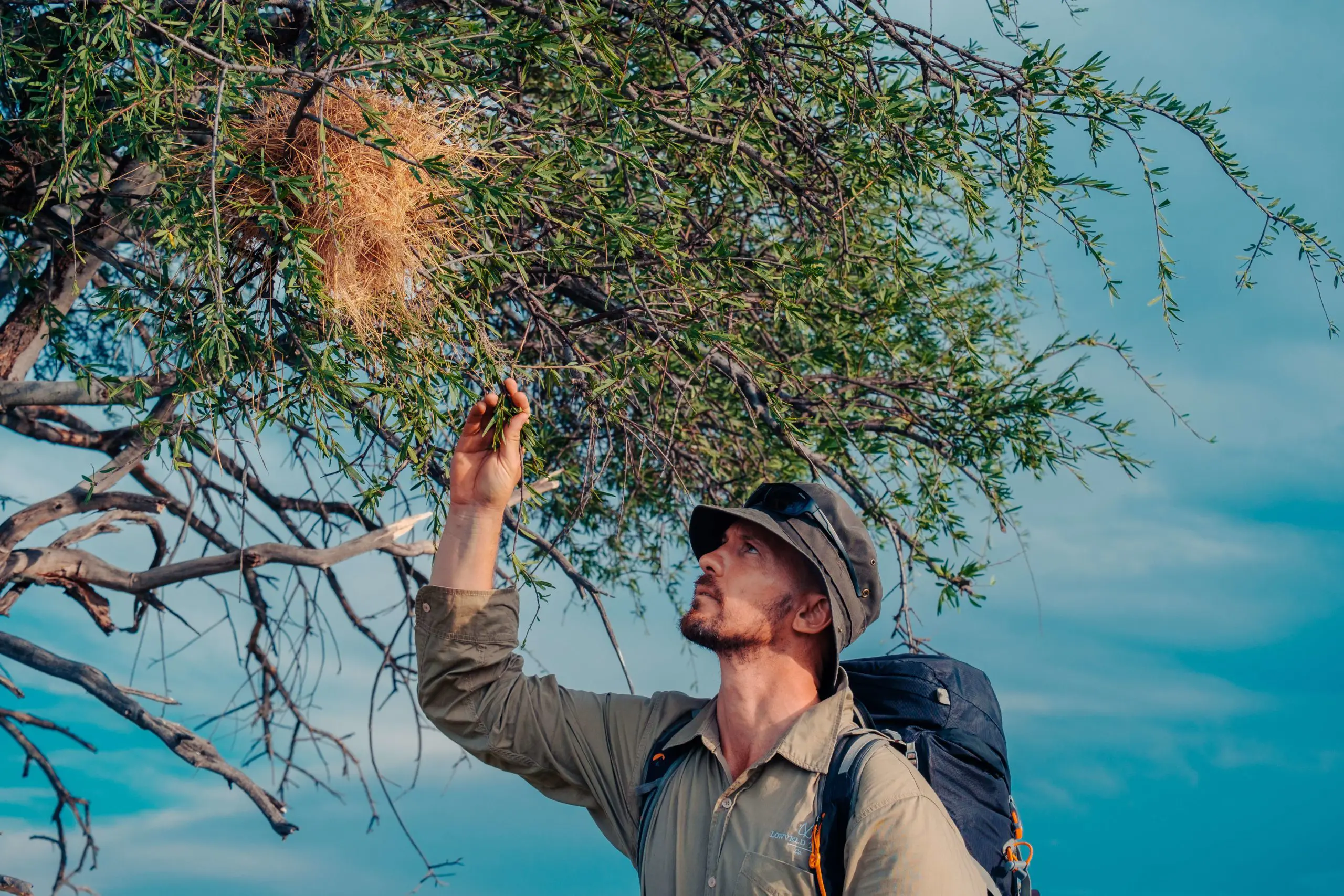
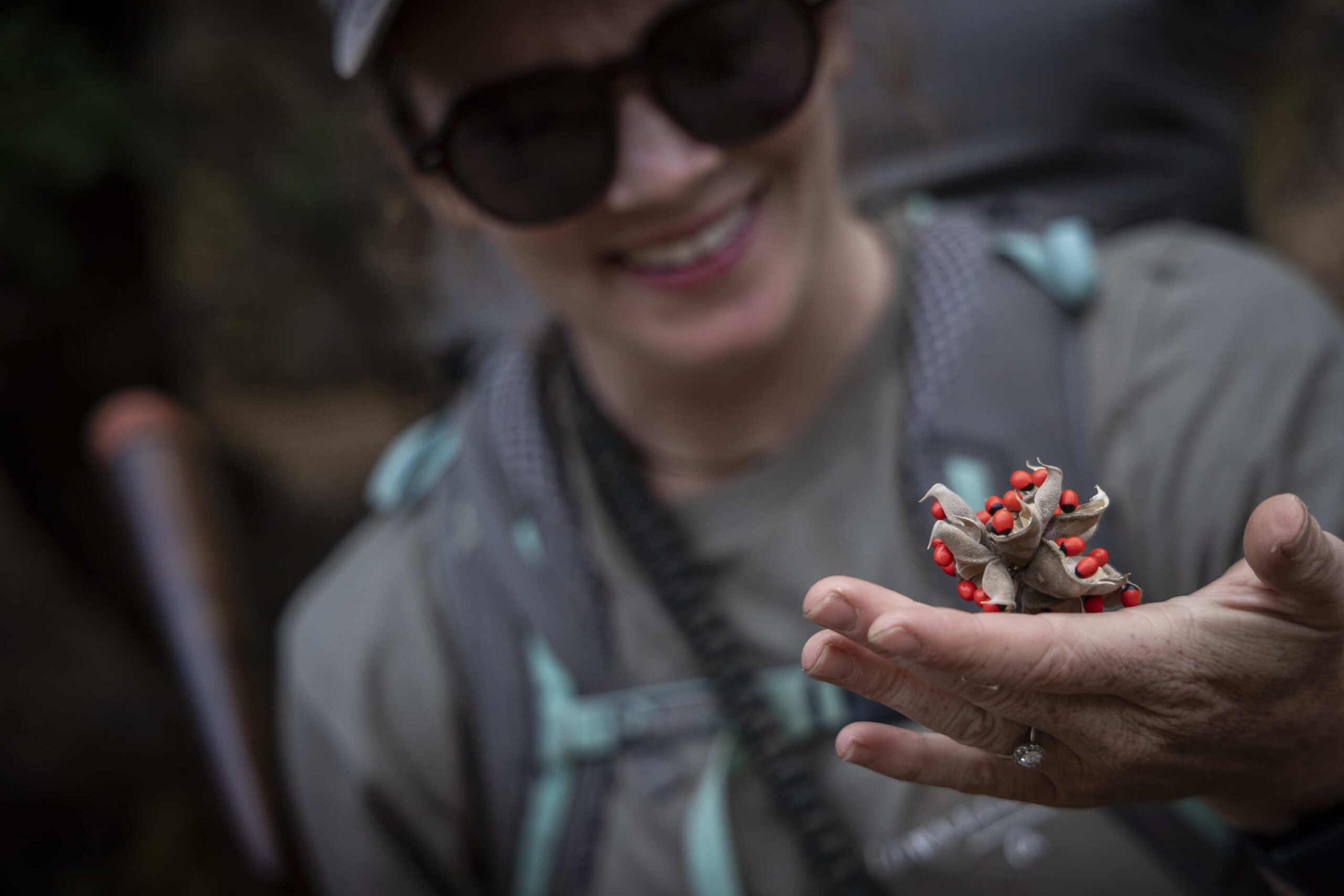
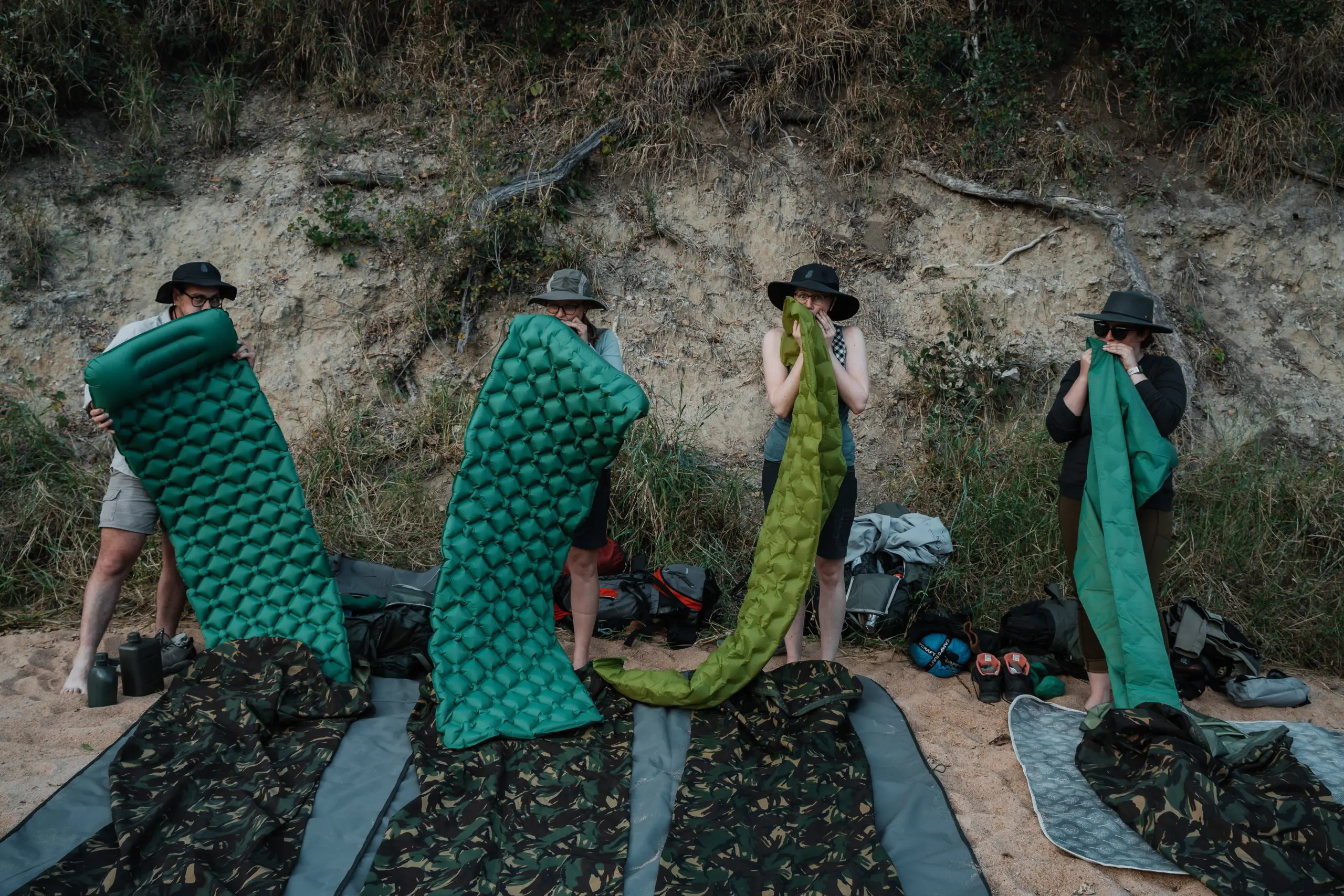
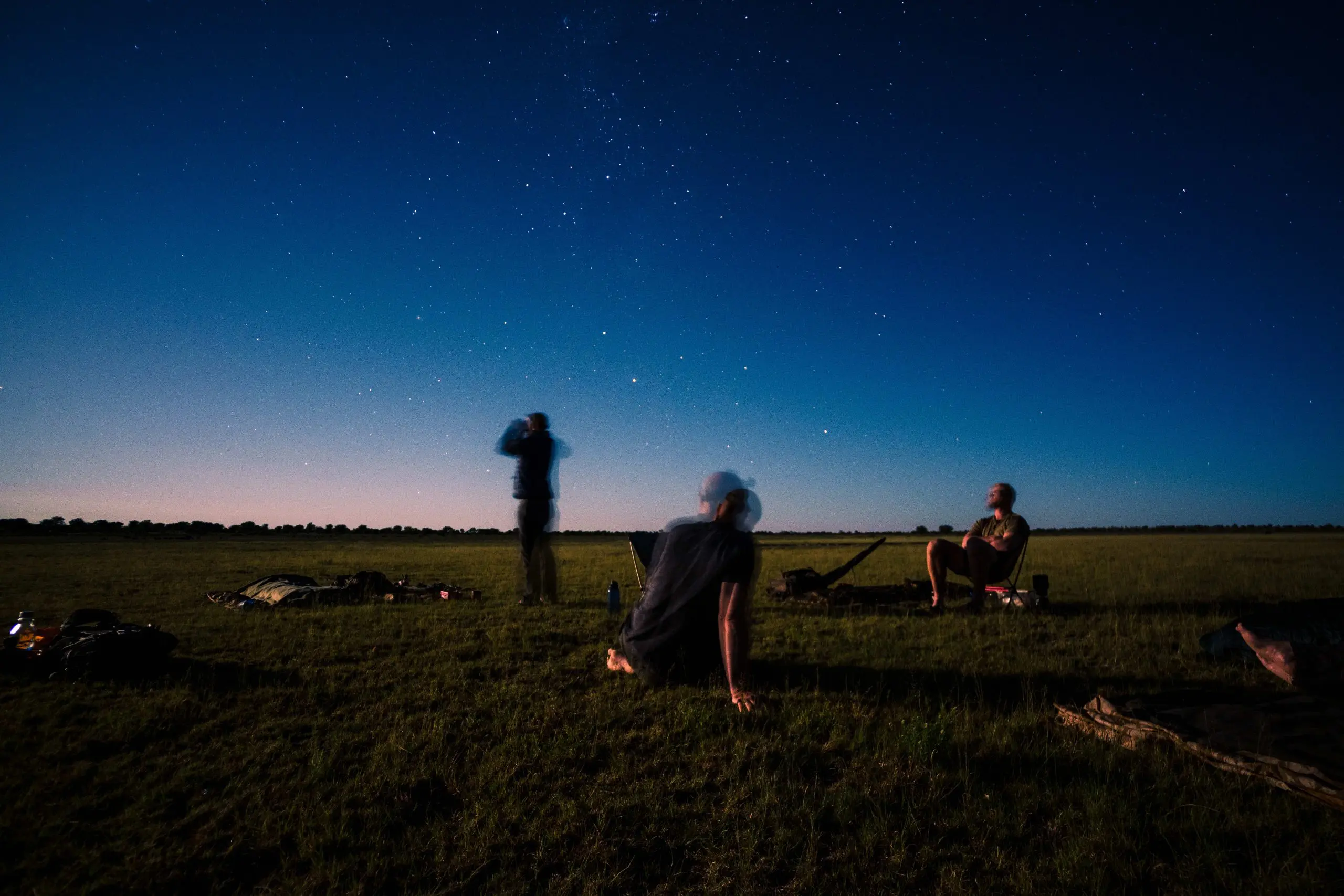
Most people do not fall in love with wilderness because they read about it in a book. They fall in love with wilderness because they spend time in it. They walk through it, sleep beneath its stars, listen to its silence, and experience its intrinsic wilderness qualities for themselves.
That experience creates connection.
Connection creates appreciation.
Appreciation creates stewardship.
The challenge for wilderness managers is to facilitate this process without allowing the experience itself to be diminished.
It is not an easy balance to strike.
Too little access and people become disconnected from wilderness. Too much access and wilderness loses the qualities that made it worth experiencing in the first place.
It requires us to accept that not every place should be optimized for convenience, comfort, or maximum visitation. Some places derive their value precisely from the fact that they remain difficult, remote, and relatively untouched.
In an increasingly crowded and connected world, that may become one of the most important things we choose to conserve.
Not simply wild landscapes.
But the opportunity to experience them as wild.