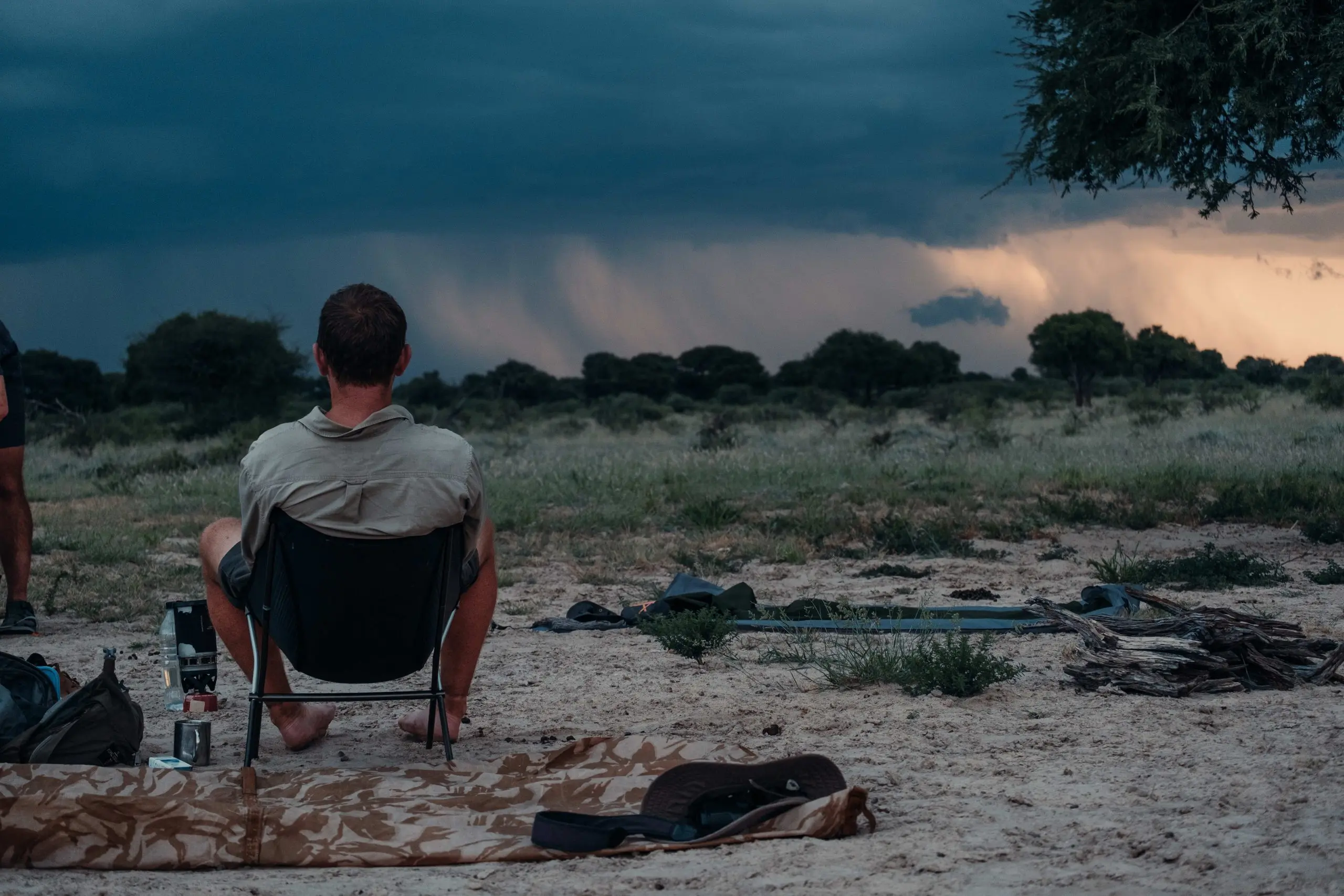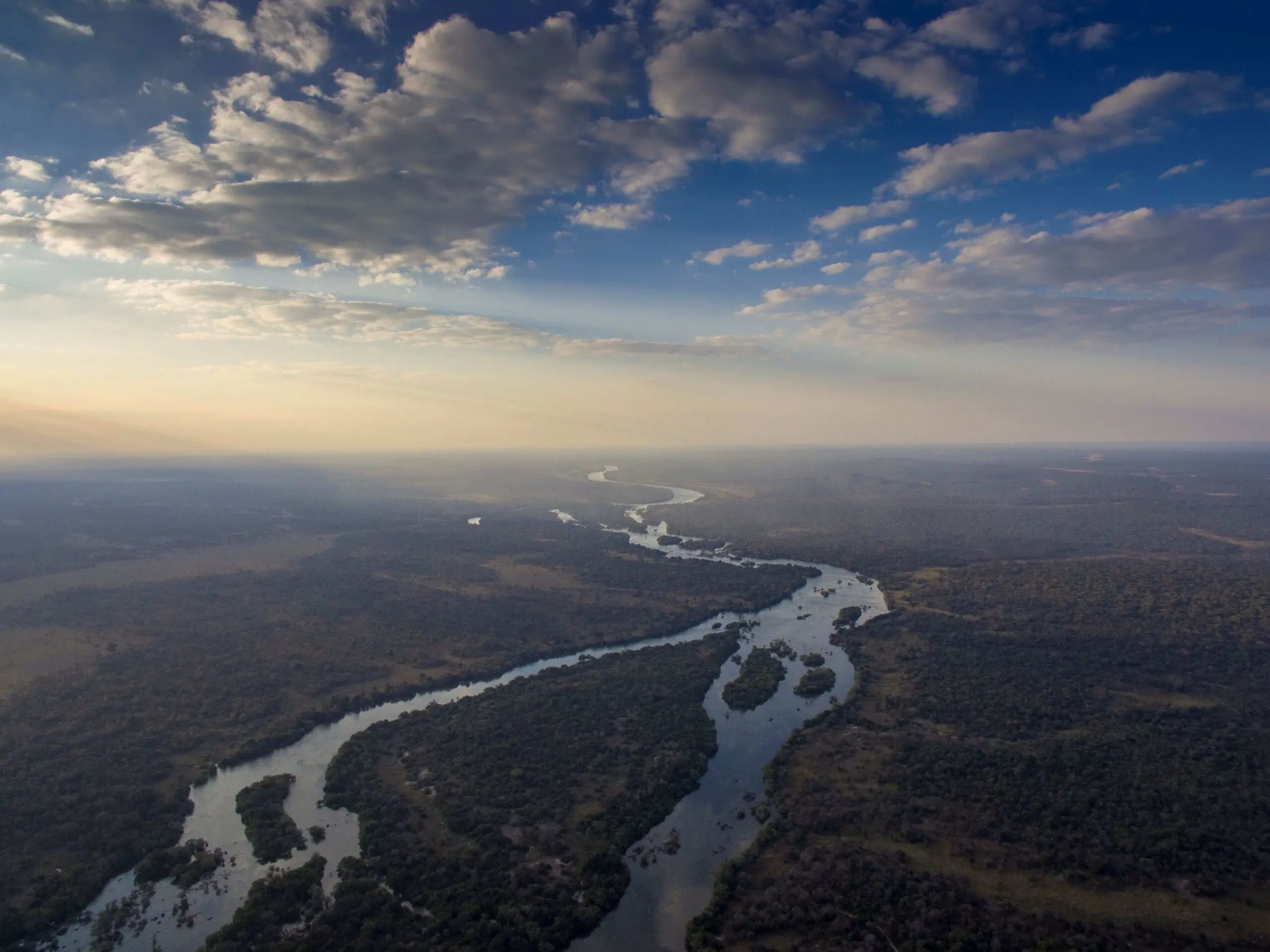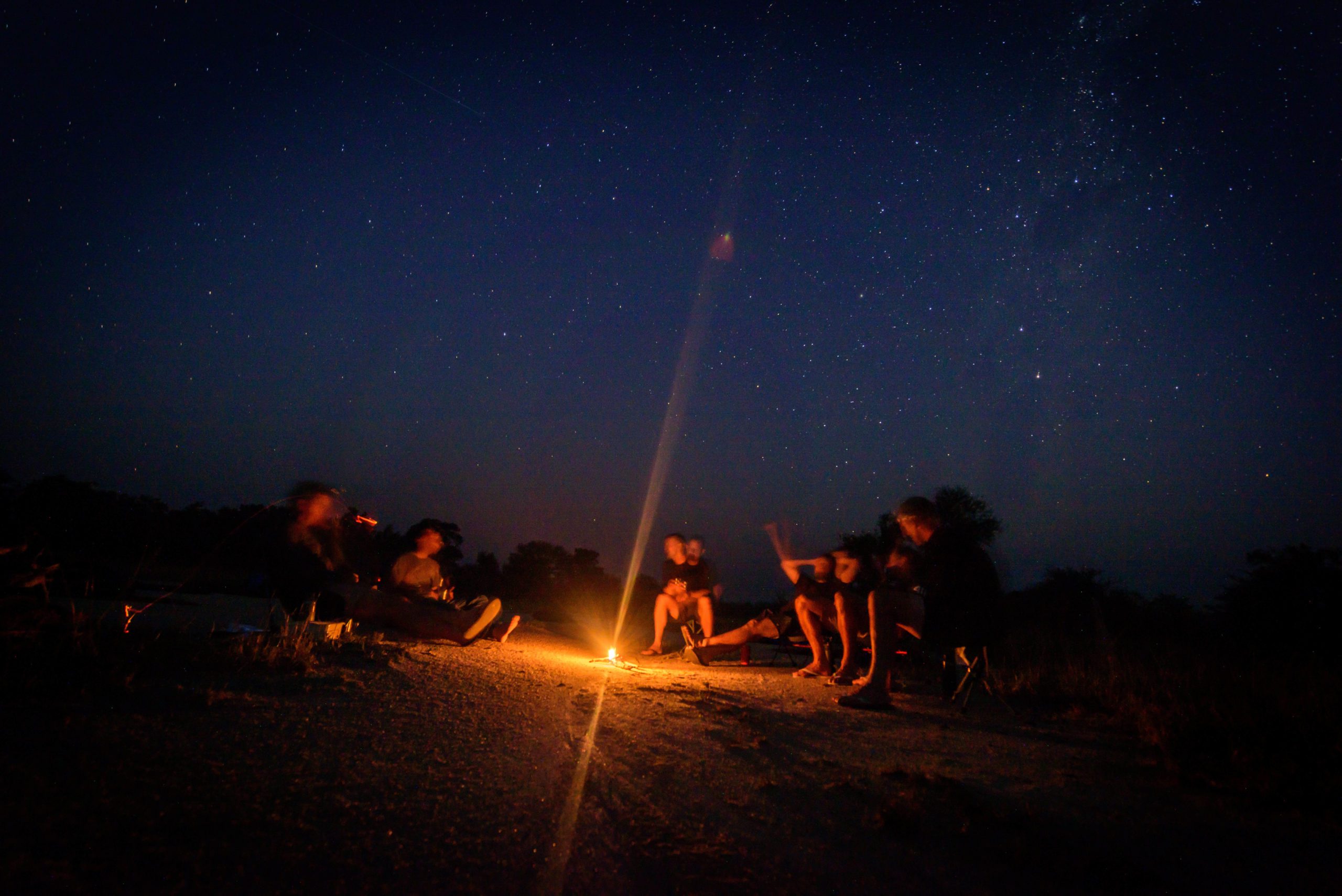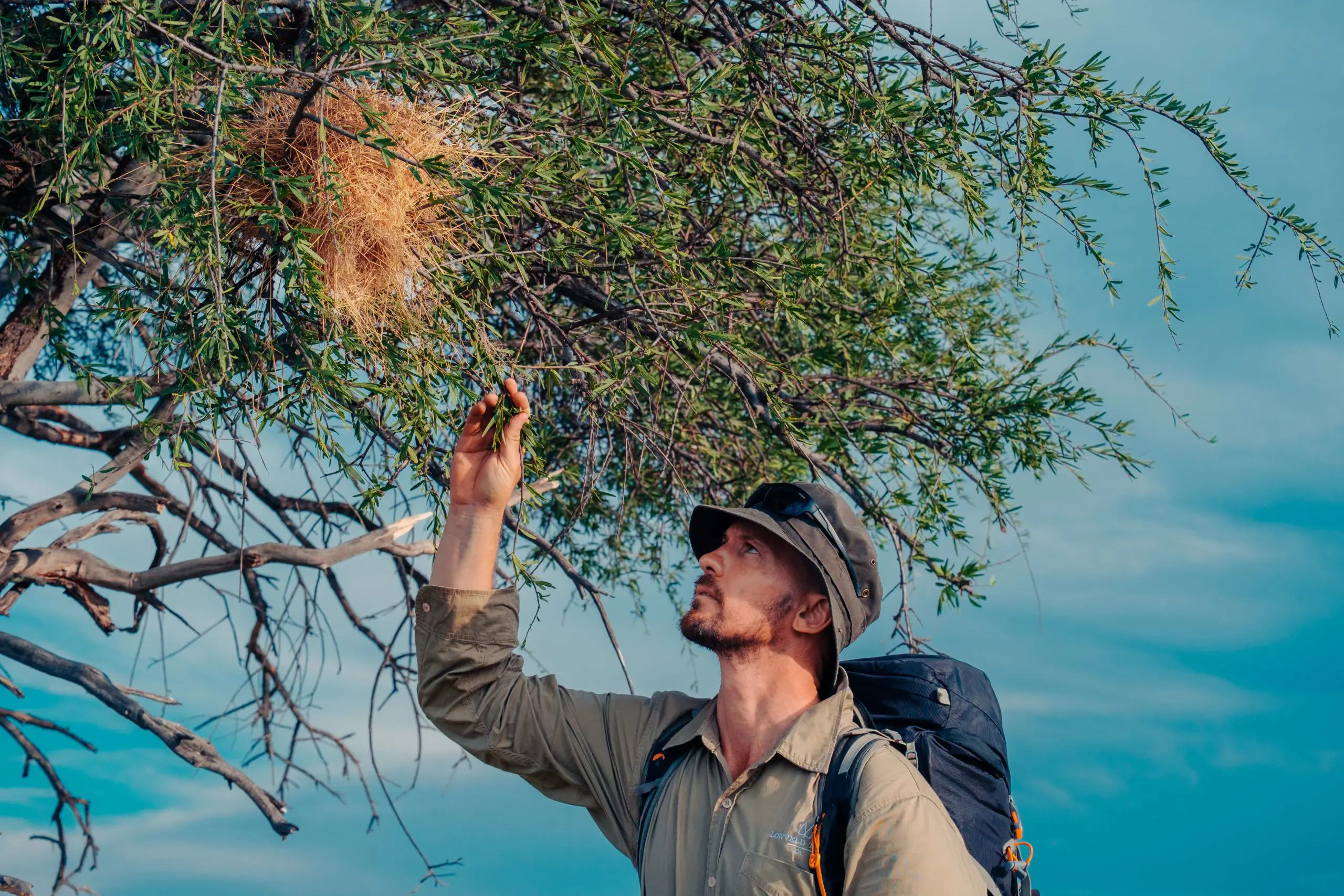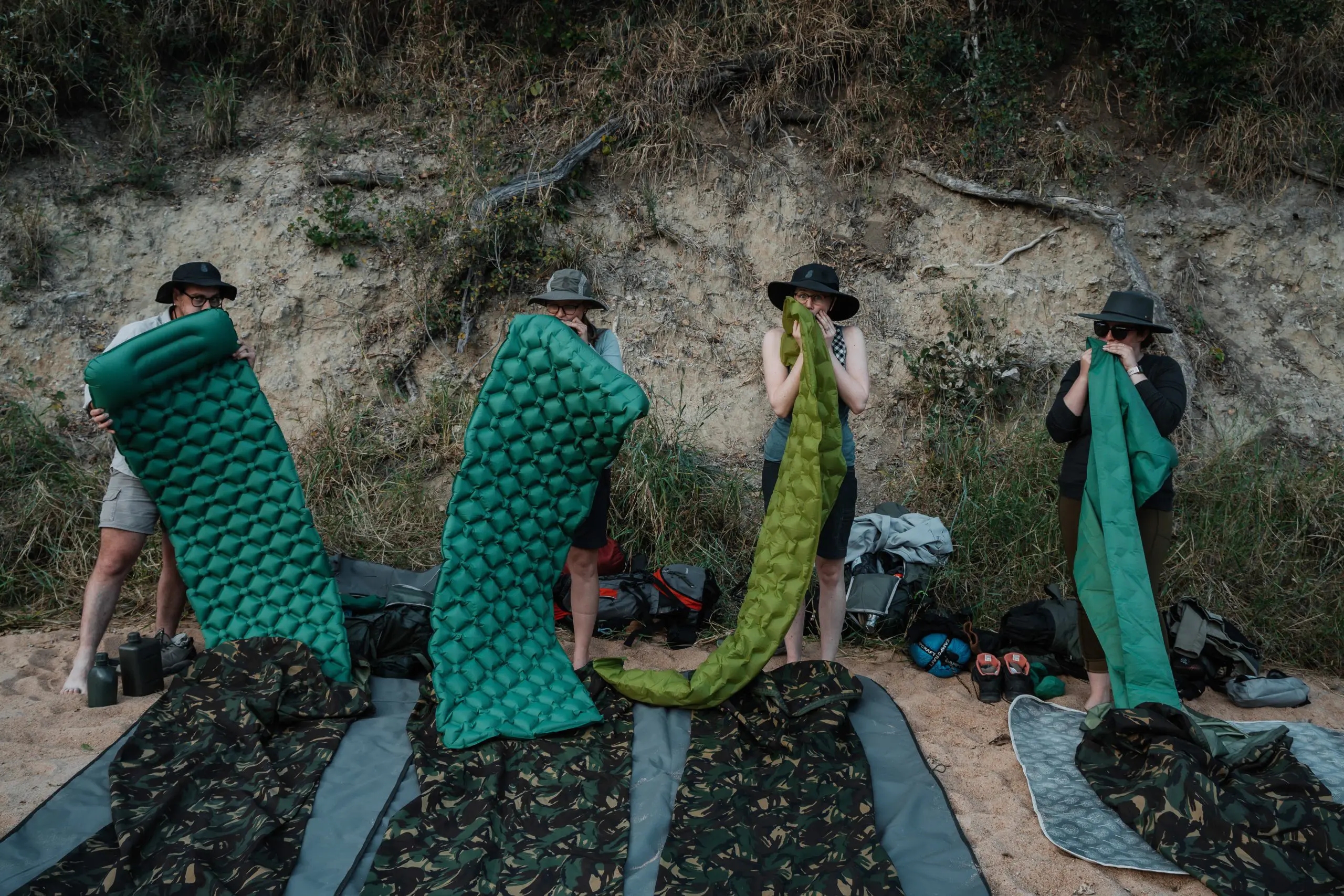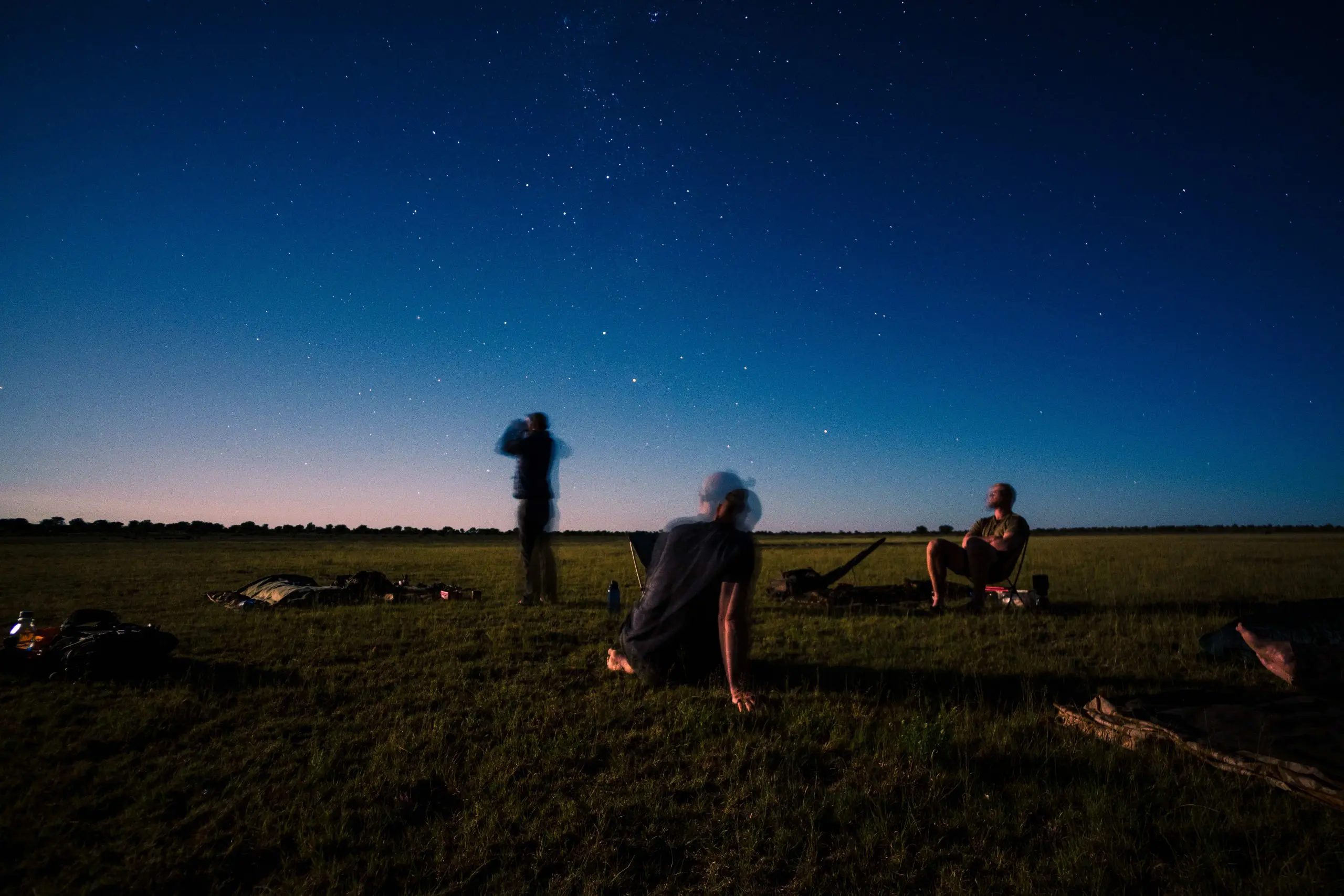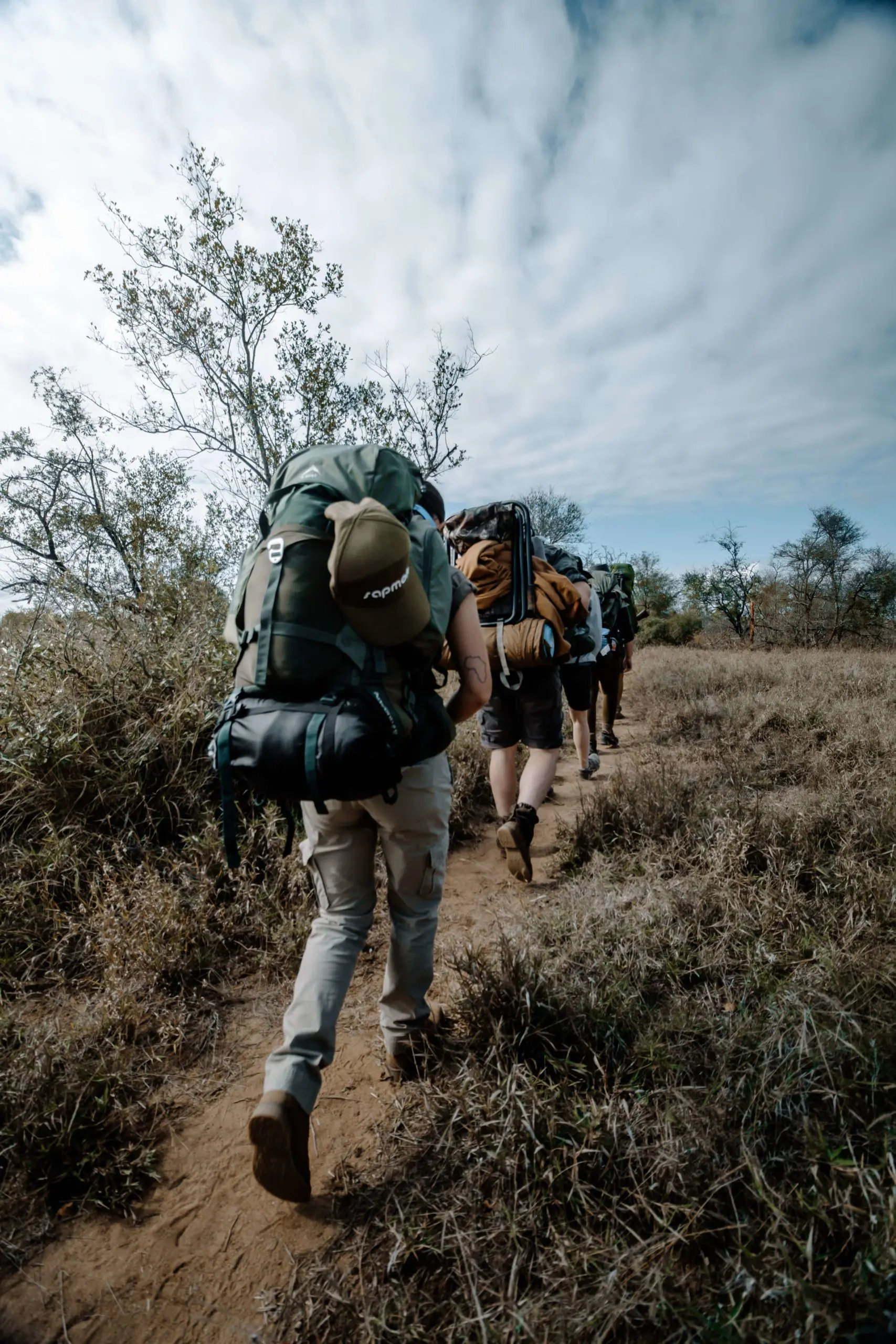


Newton’s third law of motion states that for every action, there is an equal and opposite reaction. That law seems to echo quietly through the human experience, and lately, it’s showing up in our relationship with wilderness.
As a society, we’re accelerating headlong into a technological age of exponential proportion – one where digital connection is constant, and a disconnect has become seemingly impossible.
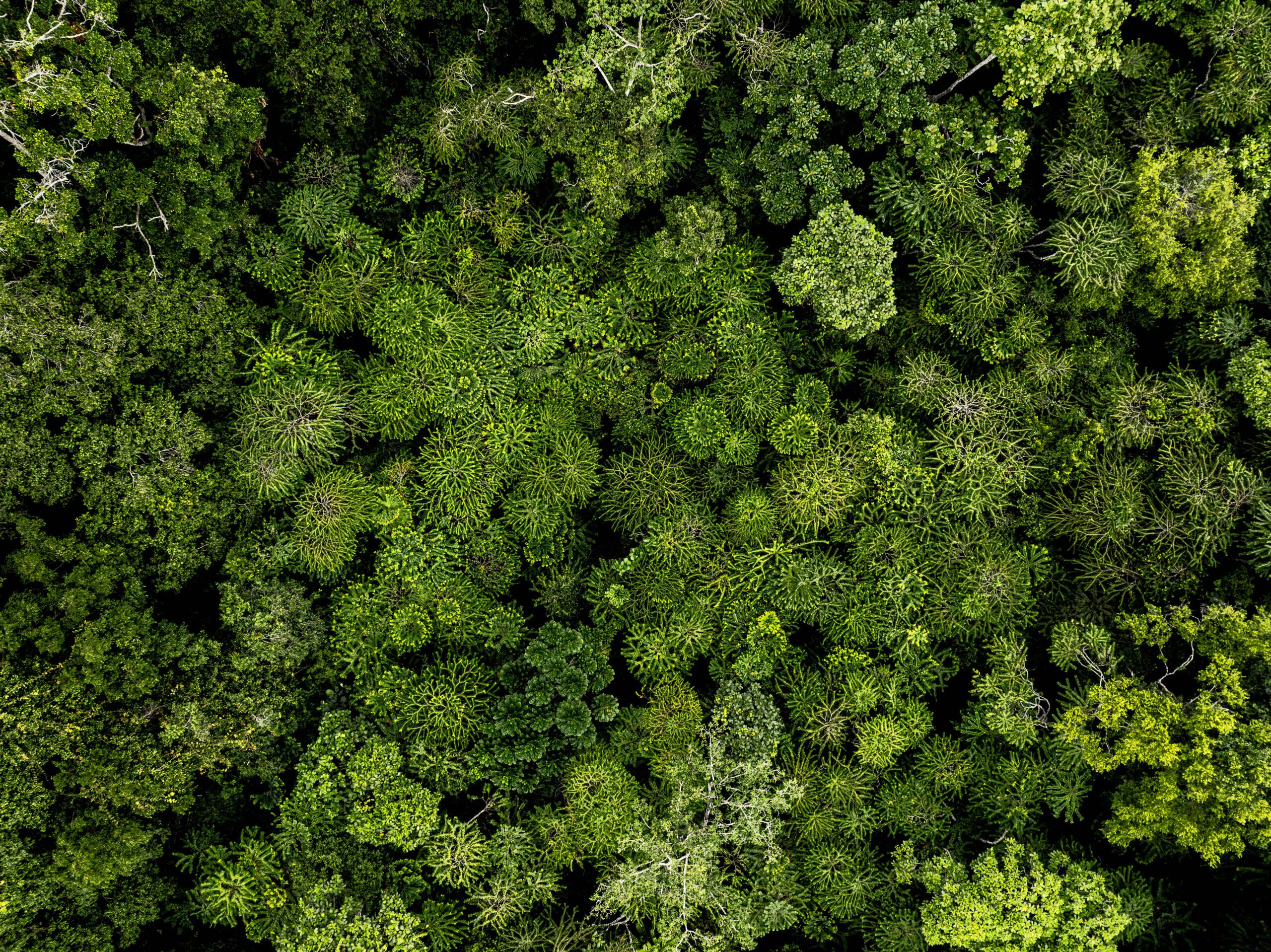
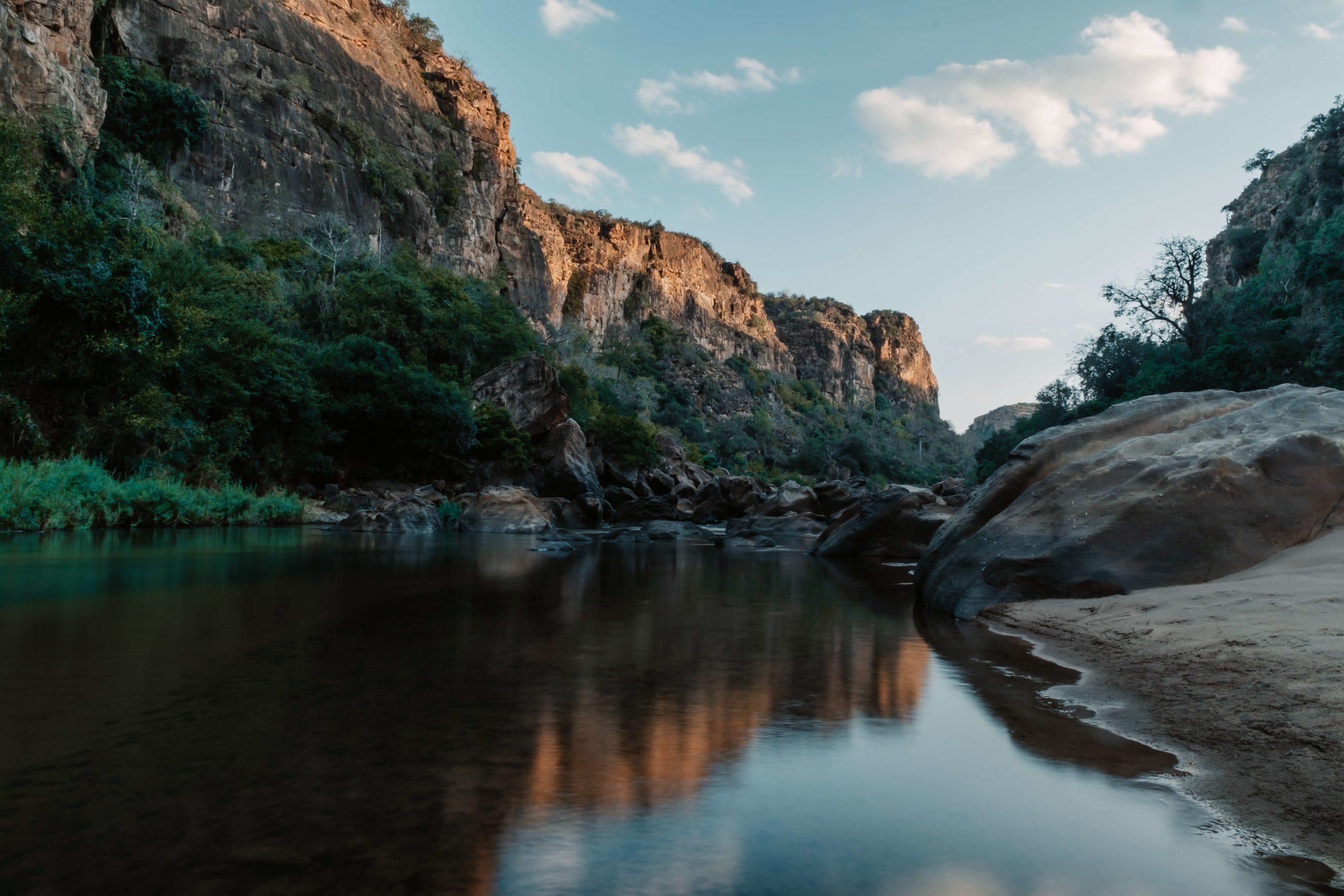
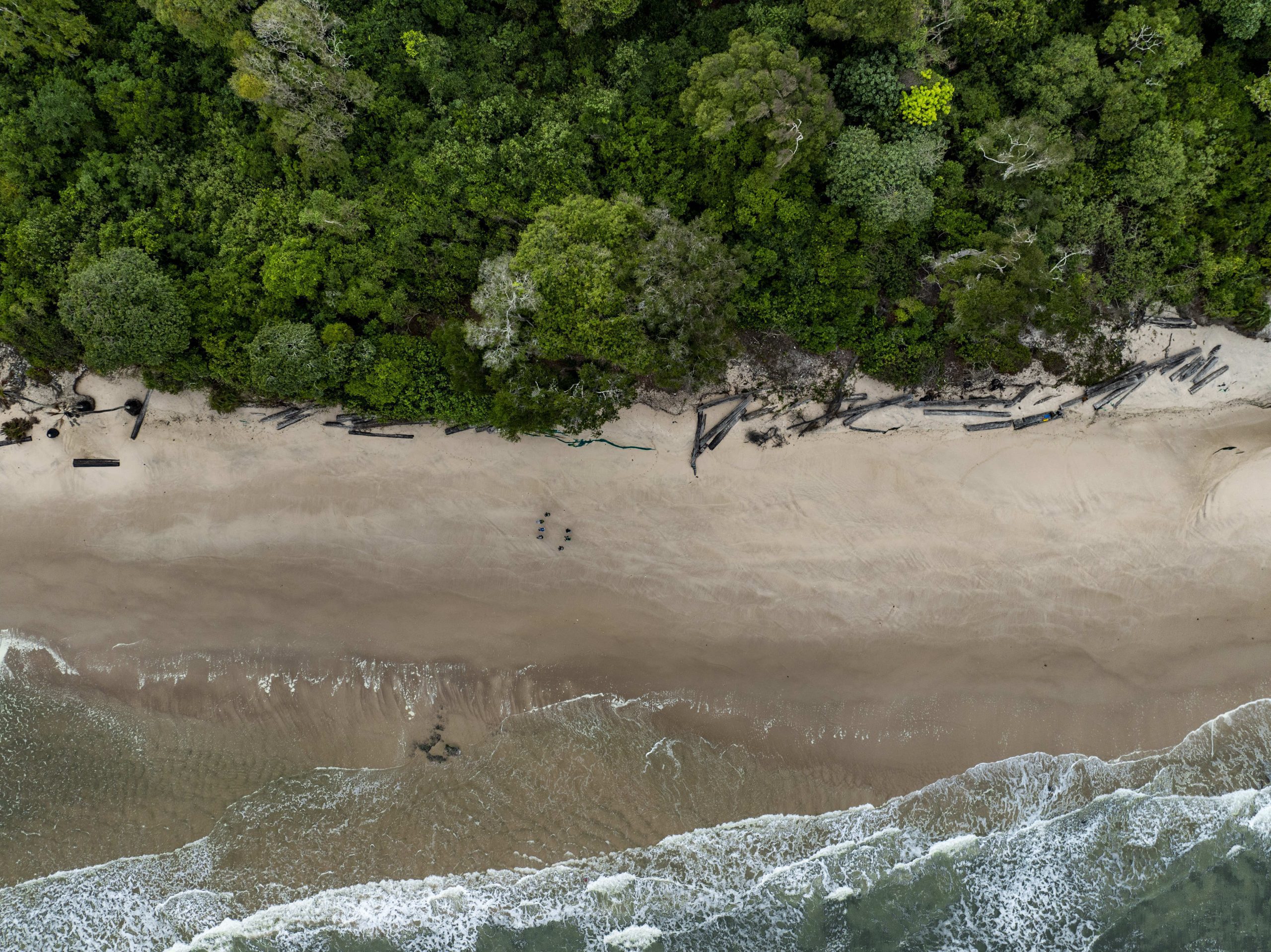
By definition, wilderness refers to a landscape where human infrastructure and activity does not dominate – spaces that remain largely untrammeled by man and his works, where nature unfolds on its own terms. It’s a concept that gained traction through thinkers like John Muir and Aldo Leopold, whose writings helped crystallise the idea of land ethics and the intrinsic value of wild places. Although some argue that it’s a western construct – and it may well be – embedded within the concept of wilderness are qualities that transcend culture such as solitude, serenity, the stillness to reflect, and the humility that comes from realizing you are not at the center of the story.
But these qualities are fragile.
As landscapes become laced with roads, fences, lodges, infrastructure, and motorised activity, the intangible gifts of wilderness – those deep psychological and emotional benefits – begin to fall away. Wilderness, in this sense, is a perishable resource. Not because the land disappears, but because the experience of wildness does.
And now, with technology advancing down a one-way street – always forward, never back – we’re approaching a pivotal moment. The launch of thousands of satellites through projects like SpaceX’s Starlink means that soon, there will be nowhere on Earth without internet connectivity. This ever-present digital connection will follow us into the deserts, the tundra, the high mountain passes, the heart of the Okavango.
Where once remote wilderness offered disconnection by default – no signal, no distractions – it will offer full bars and real-time notifications.
Therefore, wilderness is no longer a place you go to – it’s become a choice you have to make.
It is no longer enough to simply walk into a wild landscape and expect digital disconnection. Now, you must choose to disconnect. You must choose not to check your messages, not to upload your location, not to respond to the pull of the digital world that will follow you even there.
Wilderness is no longer a refuge that happens to be free of digital connection - it is a space where you must choose to create your own silence.
Wilderness is no longer a refuge that happens to be free of digital connection - it is a space where you must choose to create your own silence.
And paradoxically, as technology races forward, more people are seeking that silence. They’re choosing the digital detox, retreating into the quietude to recalibrate, to recover perspective, to heal. It is the equal and opposite reaction to a world that never slows down.
But we must be clear-eyed: these opportunities are dwindling. Not only because wild places are under pressure from development, but because the experience of wildness is becoming harder to access. It takes more intention, more commitment, more courage.
So this is the challenge of our time: to remember that we are not just consumers of digital connection, but creatures of the Earth. That well-being is not found in faster apps or deeper feeds, but in stillness, sky, and soil. That wilderness offers not just escape, but restoration – and that its gifts are still available, if we are willing to choose them.