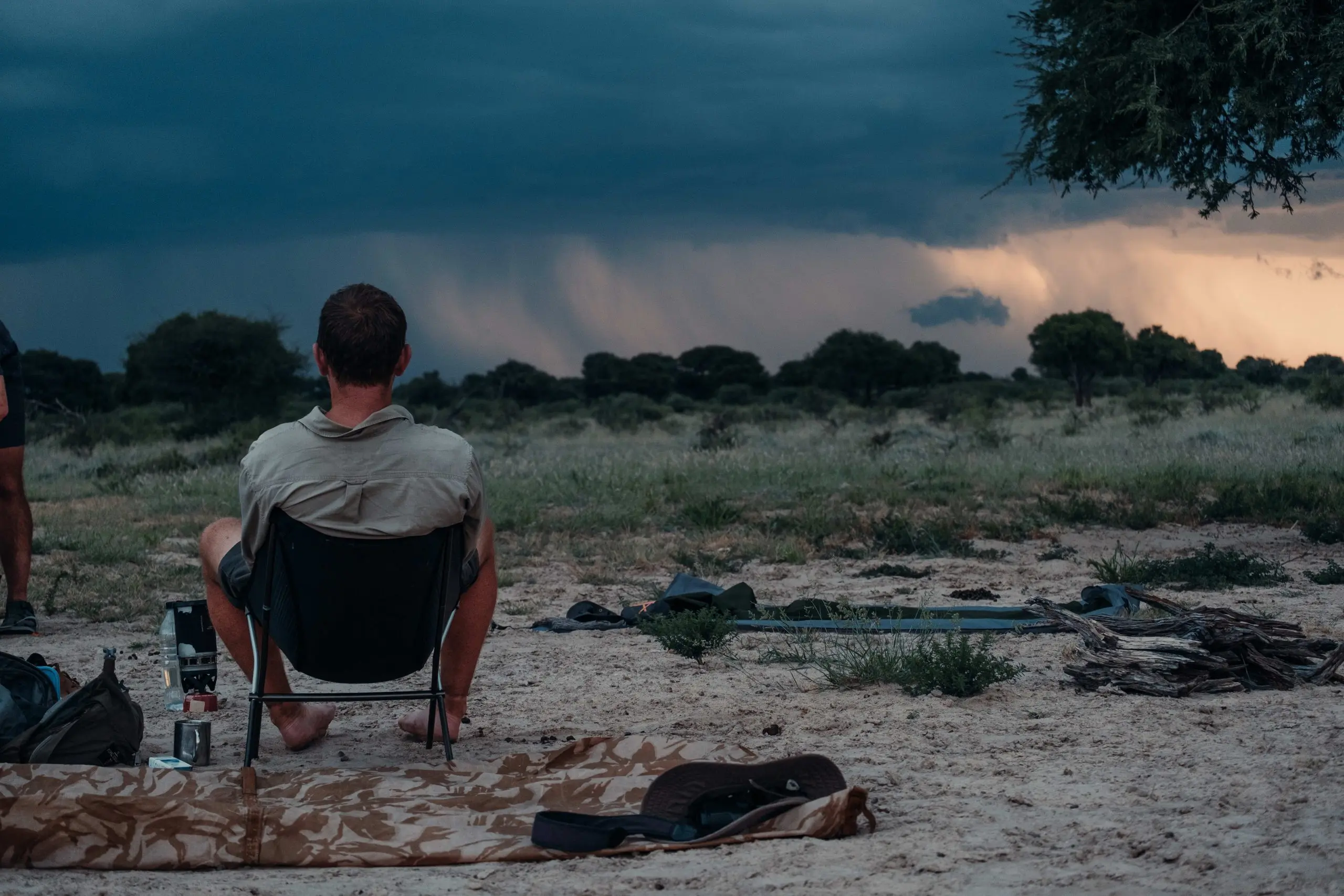

Spend a few days in a wilderness area and something begins to change.
The urgency of everyday life starts to fade. Attention broadens, time slows down, and the need for constant stimulation begins to lose its grip. People often struggle to describe exactly what is happening, yet many arrive at a similar conclusion: wilderness feels strangely familiar.
It is an interesting paradox. Most wilderness areas are places we have never visited before. The landscapes are unfamiliar, the wildlife is unpredictable, and the conditions can be uncomfortable and, at times, challenging. Yet many people experience a profound sense of belonging.
Why?
Evolutionary Memory and the Return to Being
One possible explanation lies in our evolutionary history.
For most of human history, our ancestors lived close to the land. Human consciousness evolved in natural environments. Long before roads, cities, artificial lighting, smartphones, and endless streams of information, people lived within landscapes governed by weather, seasons, daylight, darkness, and the movements of animals.
For most of human history, silence was normal. Darkness was normal. Walking was normal. Wildness was normal.
The modern world, remarkable as it is, represents only a tiny fraction of our story as a species. Perhaps this is why wilderness often feels less like an escape and more like a return. Not a return to a specific place, but a return to a way of being.
In everyday life, our attention is constantly pulled in different directions. We move between screens, schedules, notifications, deadlines, and responsibilities. Rarely are we afforded the opportunity to simply observe and be present.
In wilderness, much of that disappears.
Life becomes simpler. Not easier, necessarily, but simpler.
From Distraction to Presence
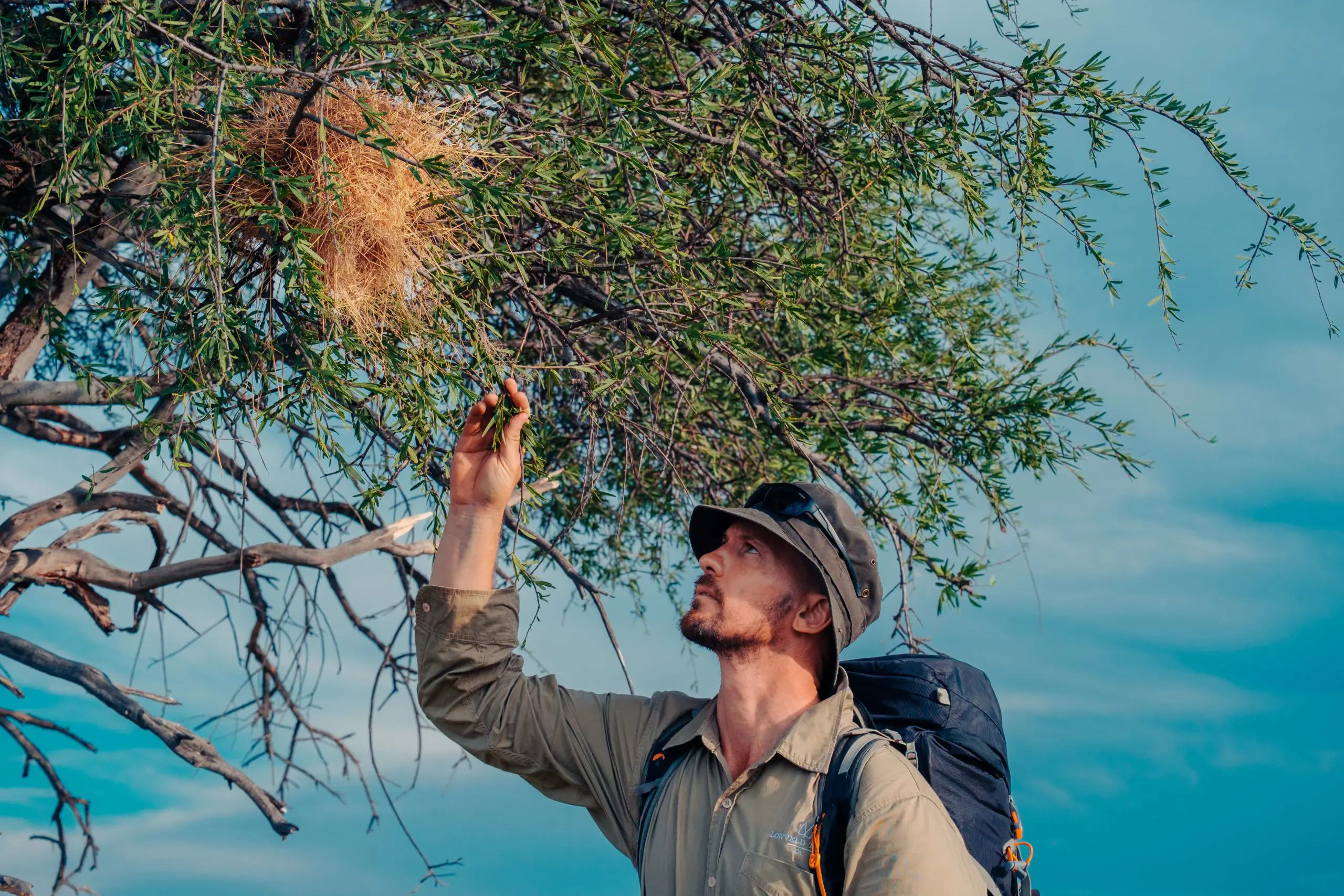
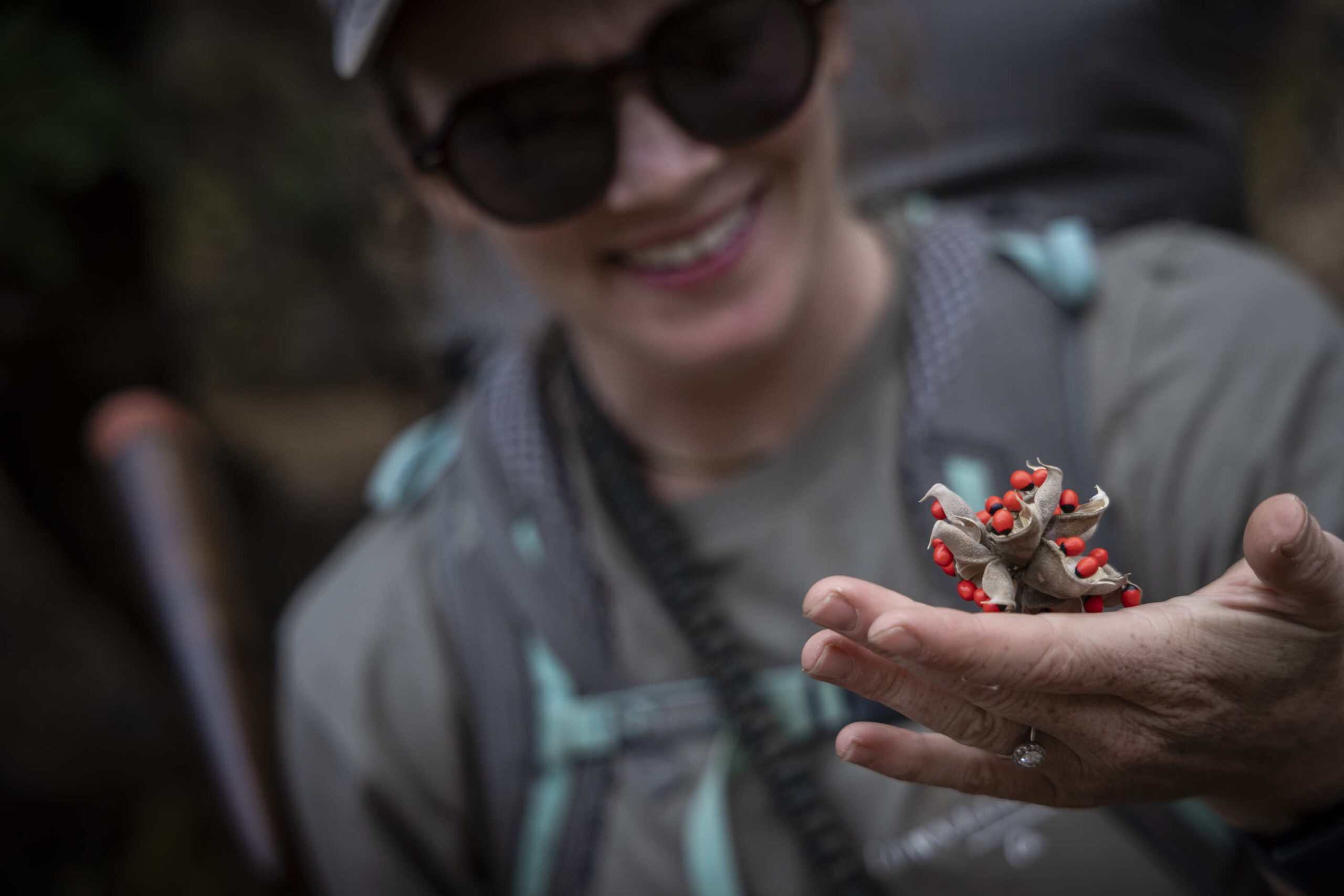
Your attention shifts naturally towards the landscape around you. You begin to notice the direction of the wind, the alarm calls of birds, fresh tracks crossing the path ahead, and the changing colours of the sky as evening approaches. Things that would ordinarily pass unnoticed become important.
Many people discover that their minds become quieter. Conversations become slower and more meaningful, while long periods of silence no longer feel uncomfortable. There is less pressure to be productive and more opportunity to simply experience.
"The wilderness does not ask us to multitask. It does not compete for our attention. It does not care about our status, achievements, or possessions. It simply asks us to be present."
Some people describe this feeling as connection. Others describe it as perspective. Still others speak about a sense of belonging. Whatever words we choose, the experience is remarkably common.
Many wilderness travellers report feeling connected not only to the landscape around them, but also to something within themselves, something that modern life rarely touches.
One way of understanding this is through the idea of evolutionary memory.
Not memory in the literal sense, but an acknowledgement that the environments in which we evolved still resonate deeply within us. The sounds, rhythms, and patterns of wilderness are not foreign to the human experience. They are the backdrop against which our species developed.
When immersed in wilderness, people often rediscover qualities that modern life can make difficult to access. Qualities like patience, awareness, humility, curiosity, and a sense of wonder.
The True Gift of Wilderness
Perhaps this is why wilderness experiences are remembered for so long.
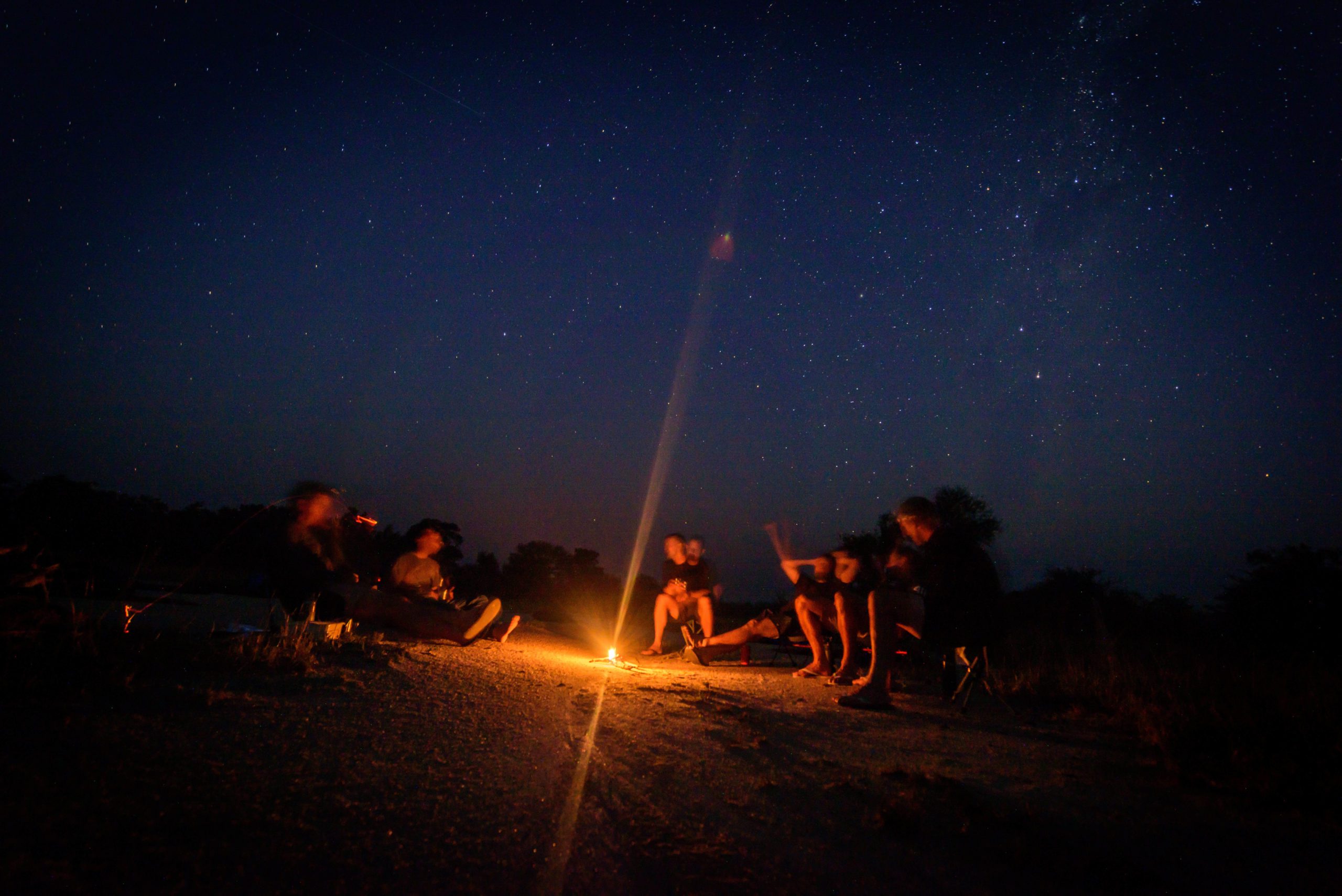
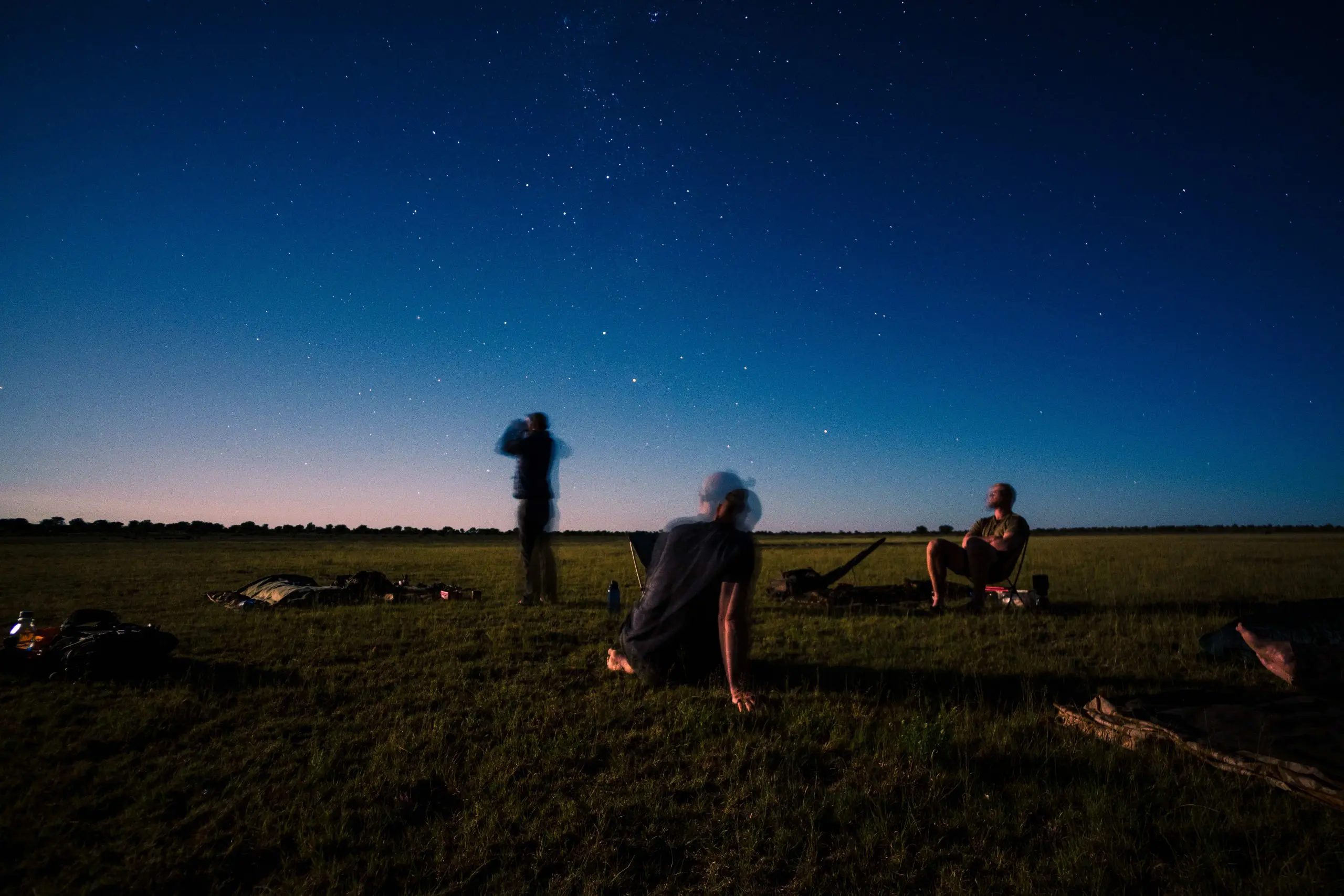
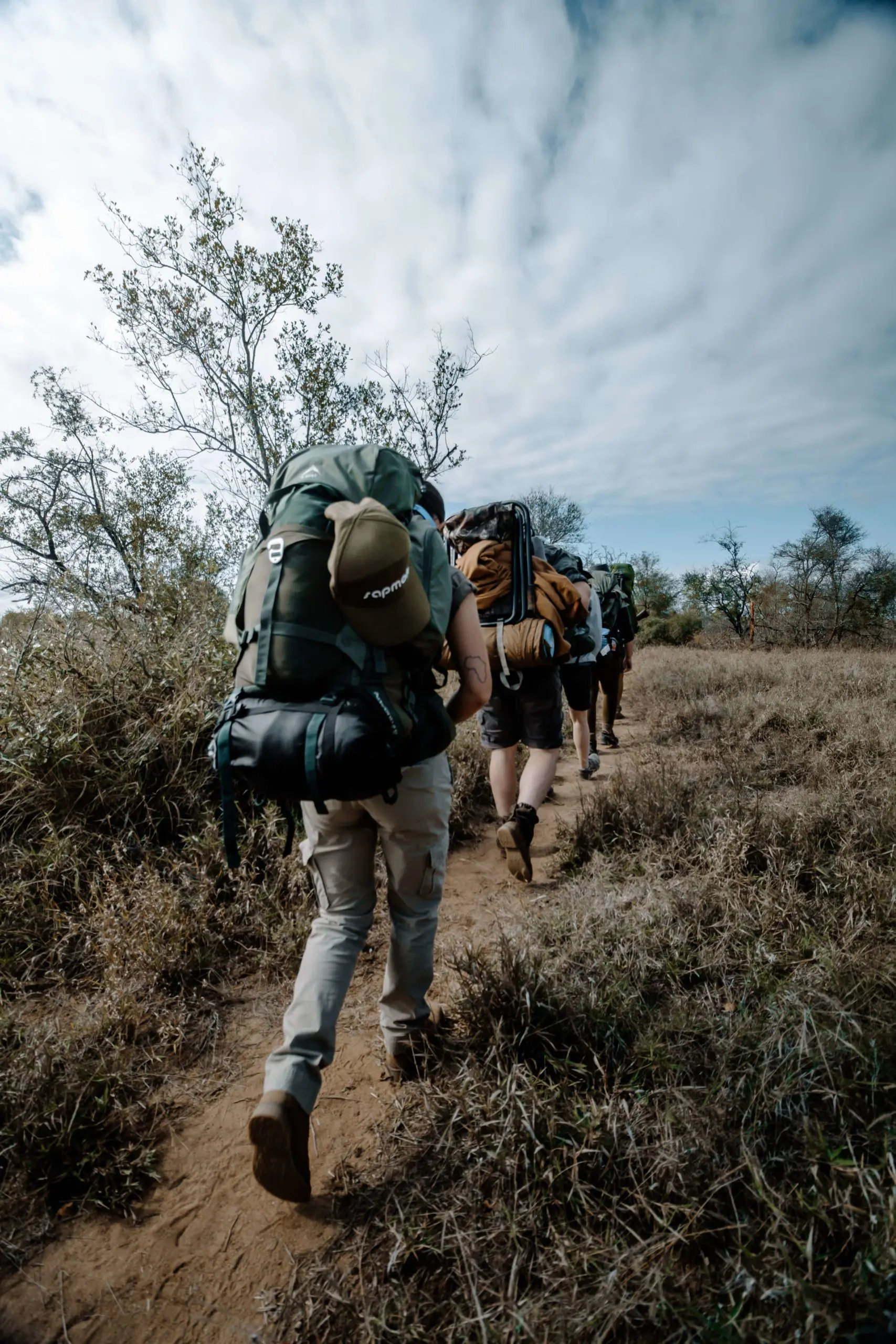
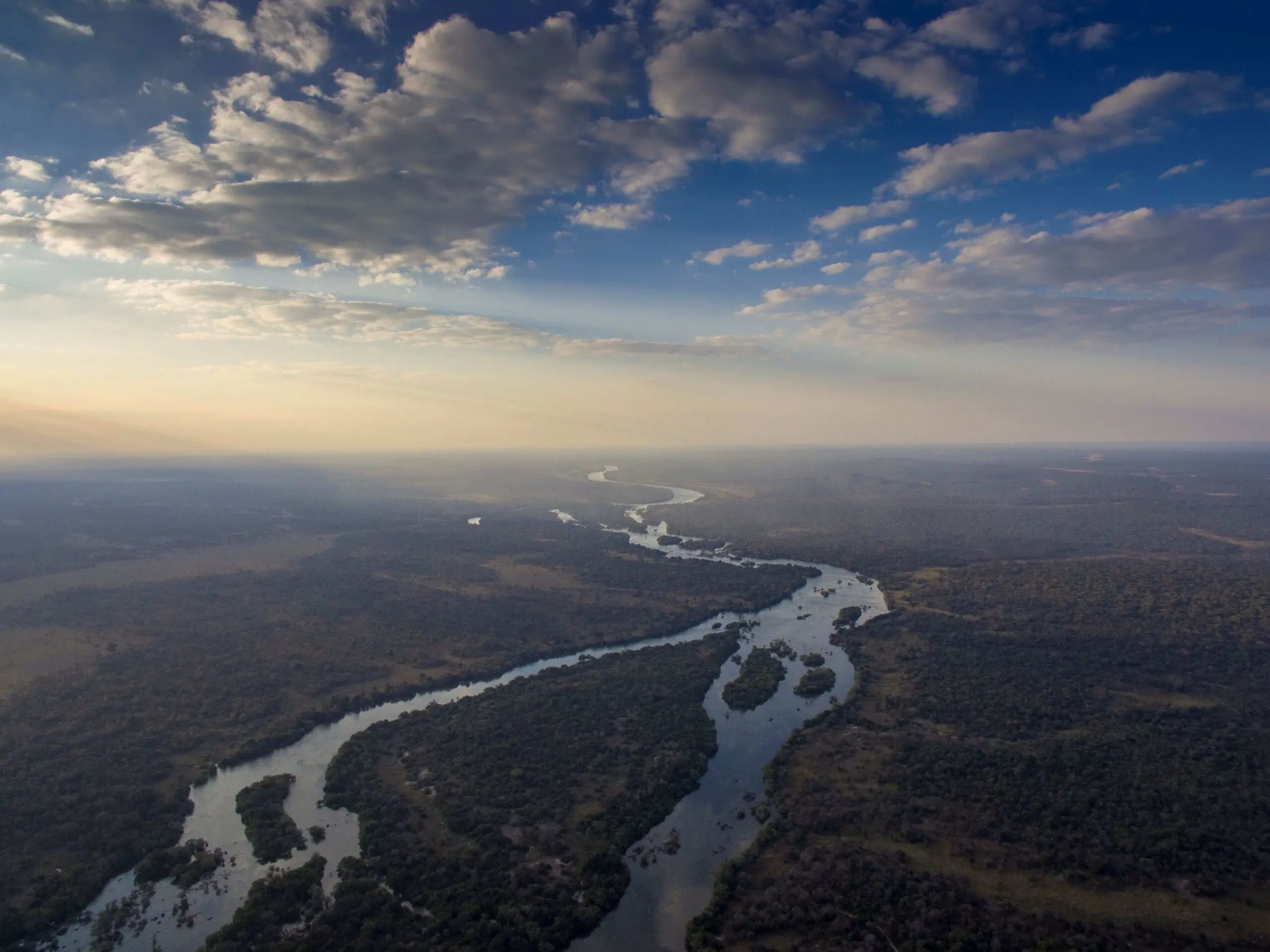
People may forget exactly how many animals they saw or how many kilometres they walked. Yet they often remember how they felt. They remember the small campfire beneath a sky full of stars, listening to lions calling in the darkness, or sitting quietly beside a river with nowhere else to be.
Most of all, they remember a feeling that is difficult to put into words.
A feeling that, for a brief moment, they were exactly where they were meant to be.
Perhaps that is the true gift of wilderness. Not that it takes us away from the world, but that it reminds us that we have always been a part of it.