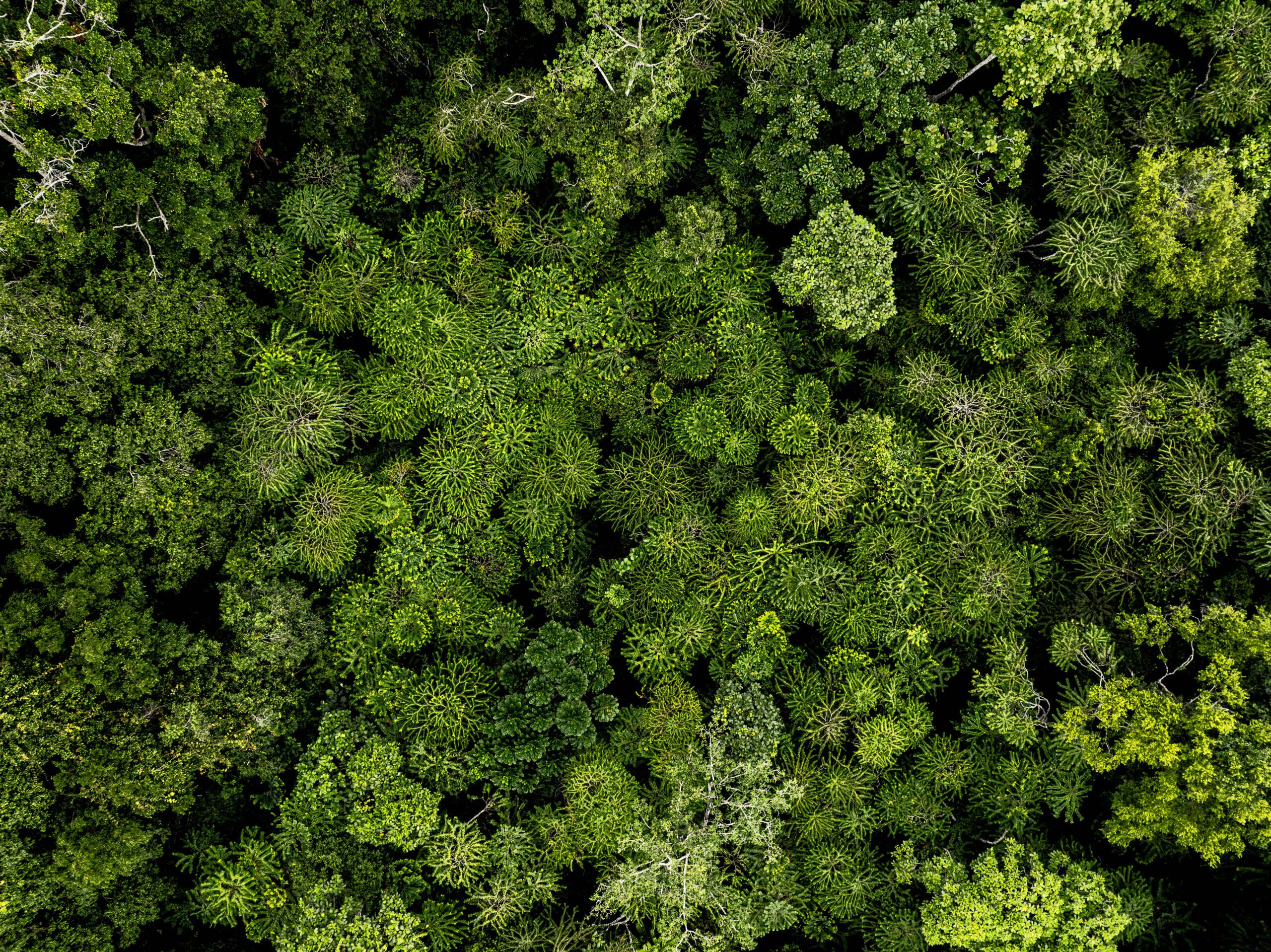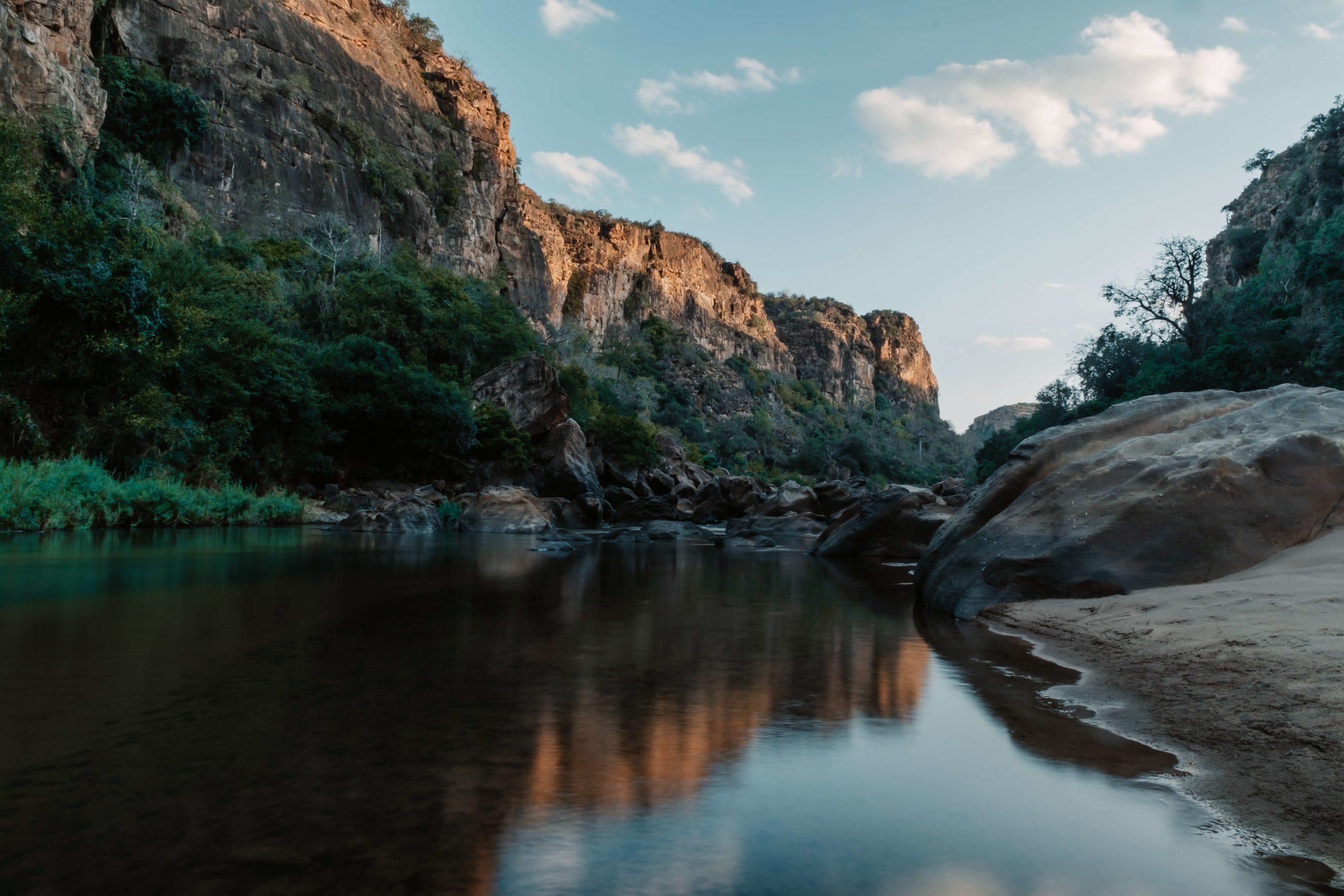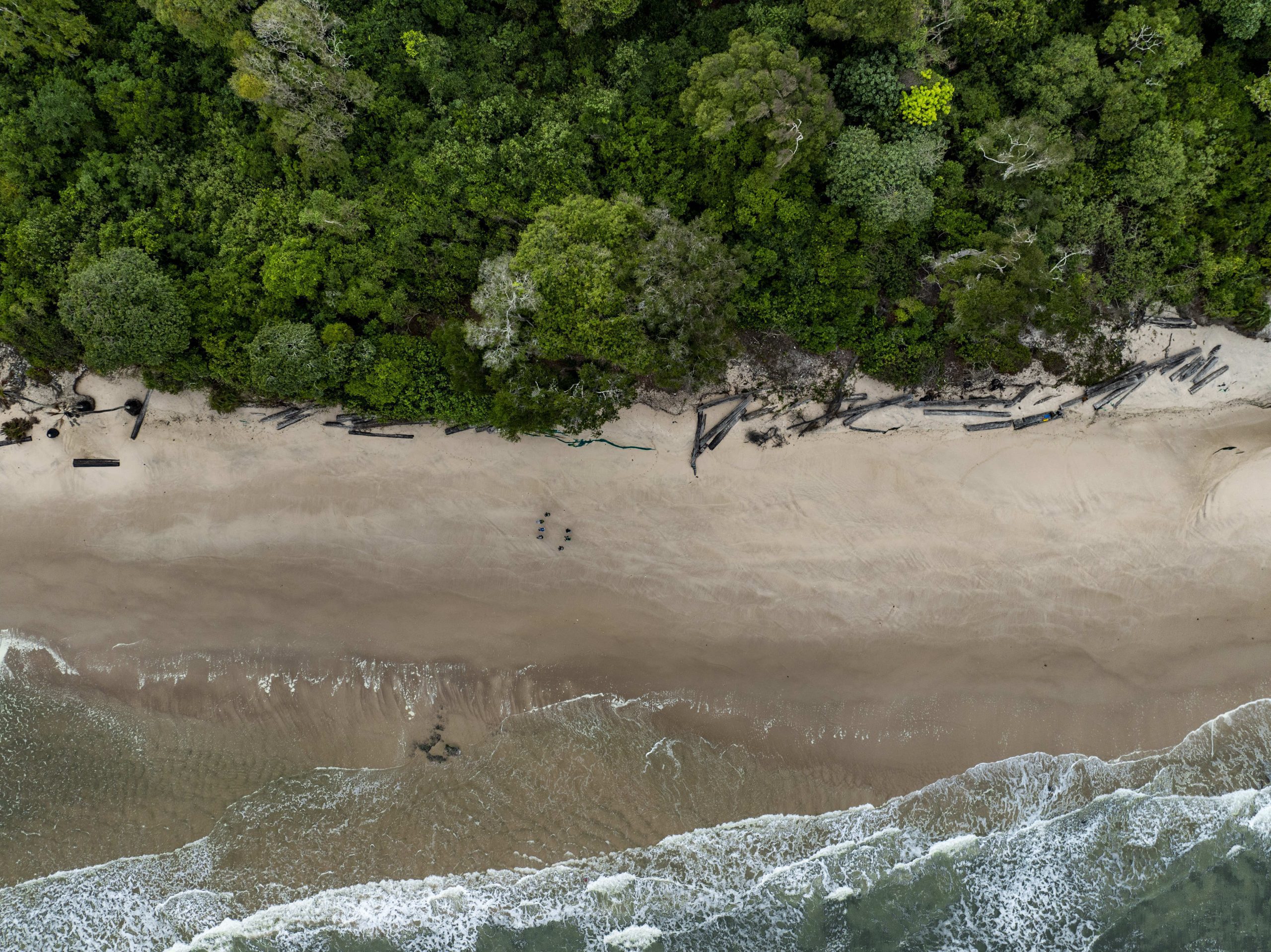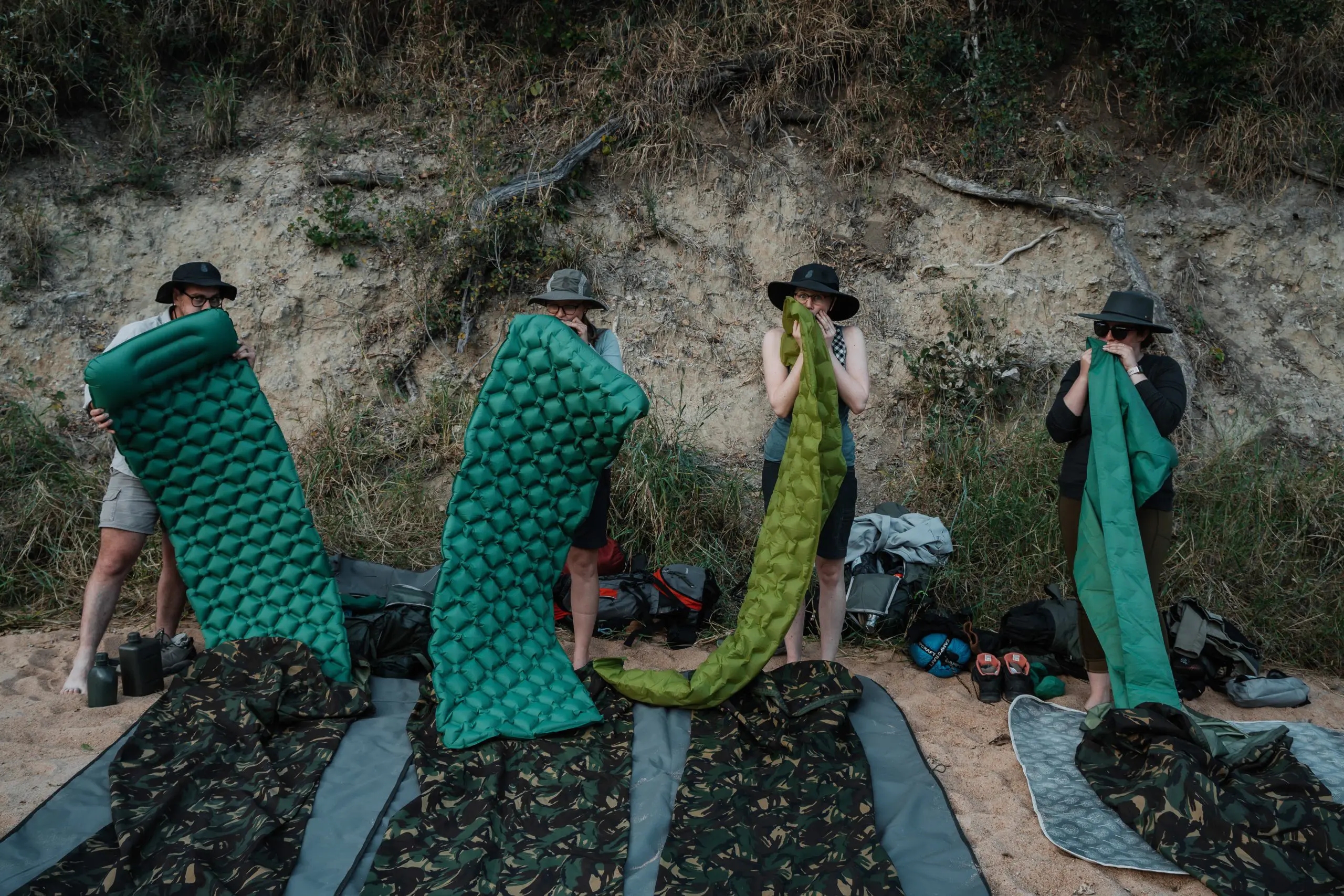

Most people arrive in wilderness with fairly simple expectations.
They hope to see wildlife. They look forward to beautiful landscapes, dramatic sunsets, and perhaps a few memorable encounters with animals. These are often the reasons people choose to visit wilderness areas in the first place.
Yet something interesting happens after a few days immersed in a truly wild place.
The things people remember most are often not the things they expected.
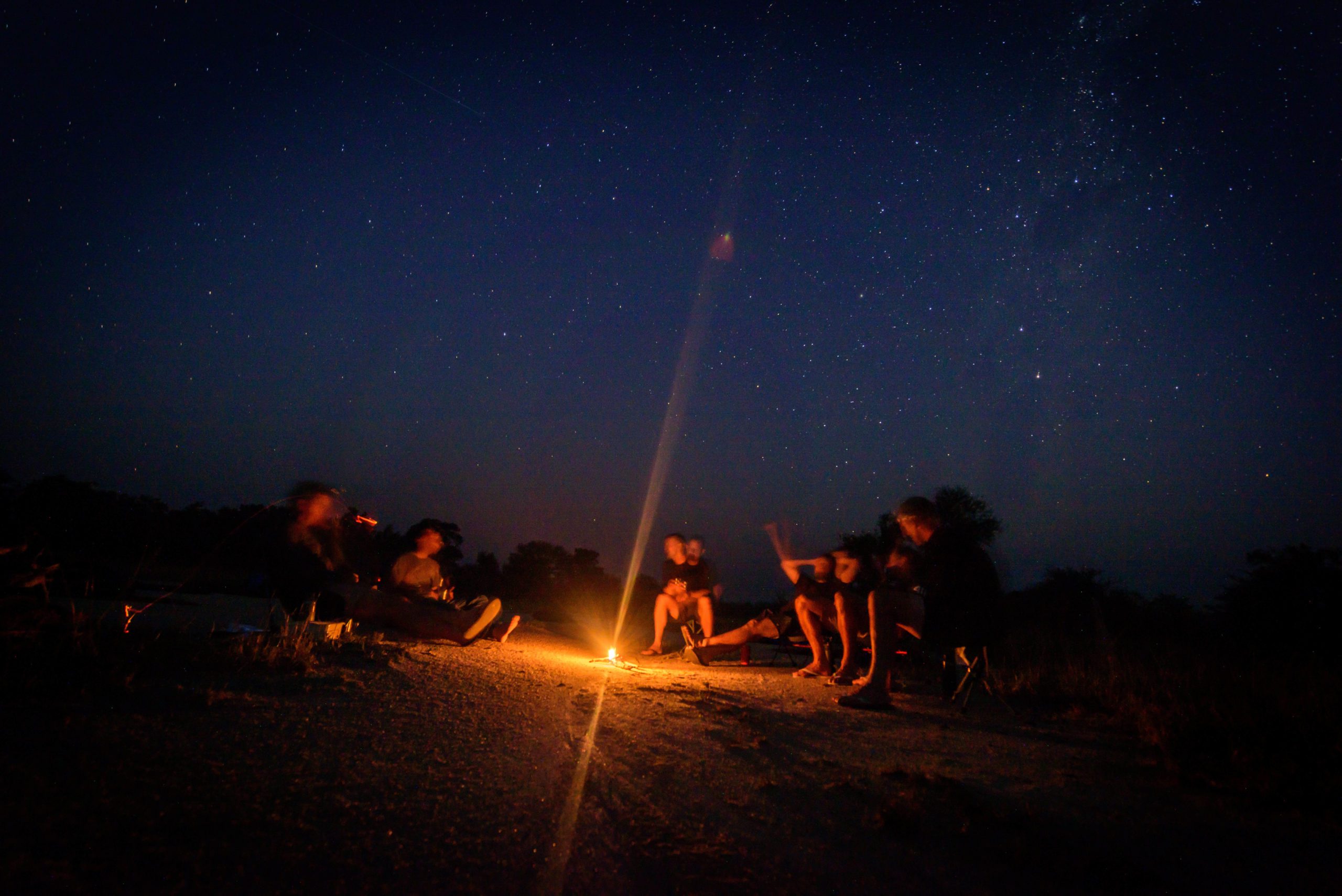
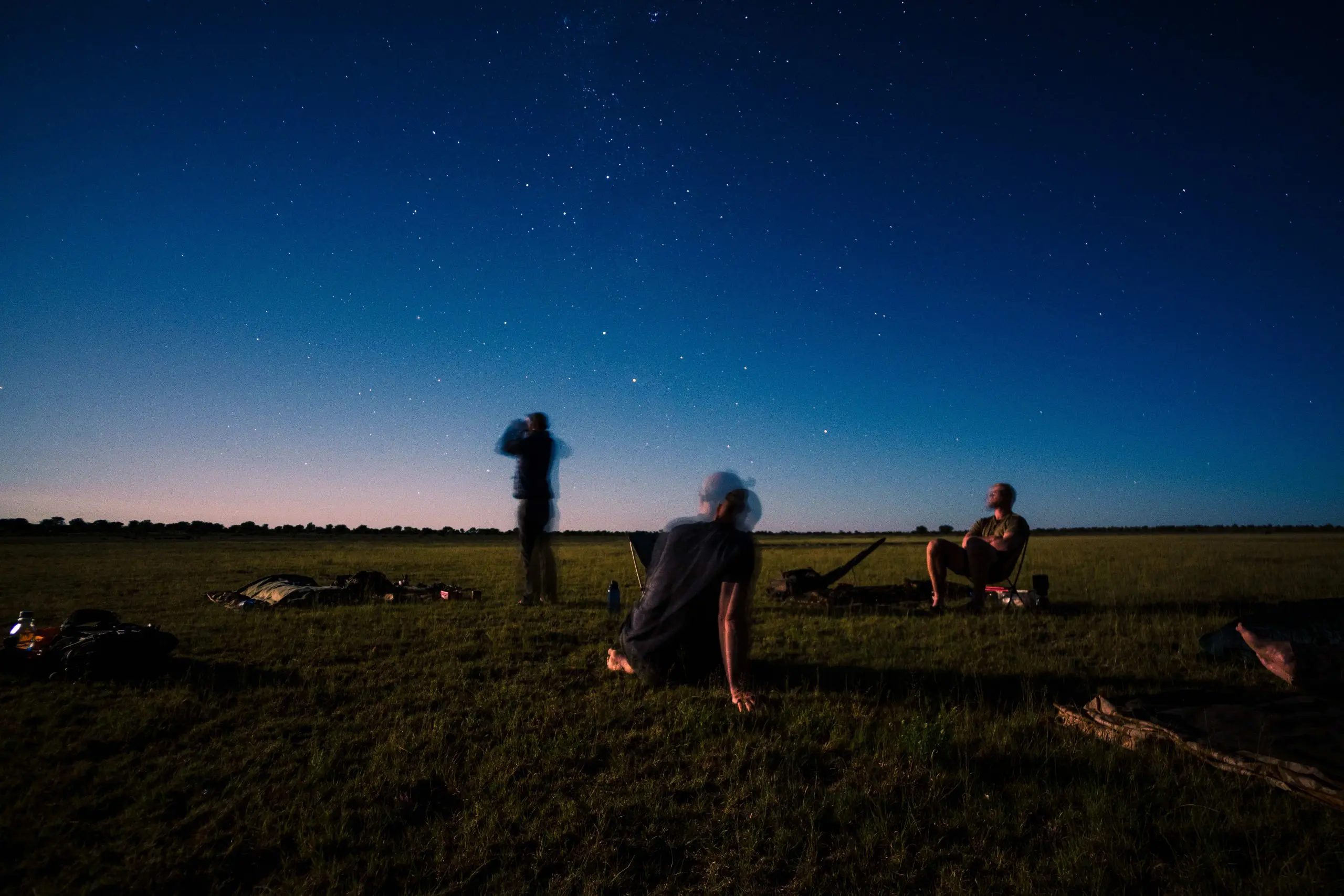
Years later, they may struggle to recall exactly how many elephants they saw or whether the lion sighting happened on the second day or the third. What remains vivid are the moments in between: the feeling of lying awake beneath a sky crowded with stars, the silence that settled over camp after dark, or the sound of a distant hyena calling across the landscape.
These are the moments that stay with us.
Intellectual Conservation vs. Experiential Feeling
Many people appreciate the importance of conservation from an intellectual perspective. They understand the need to protect biodiversity, maintain healthy ecosystems, and preserve habitat for wildlife. These are important and worthwhile reasons to conserve nature.
But wilderness often speaks to a different part of us.
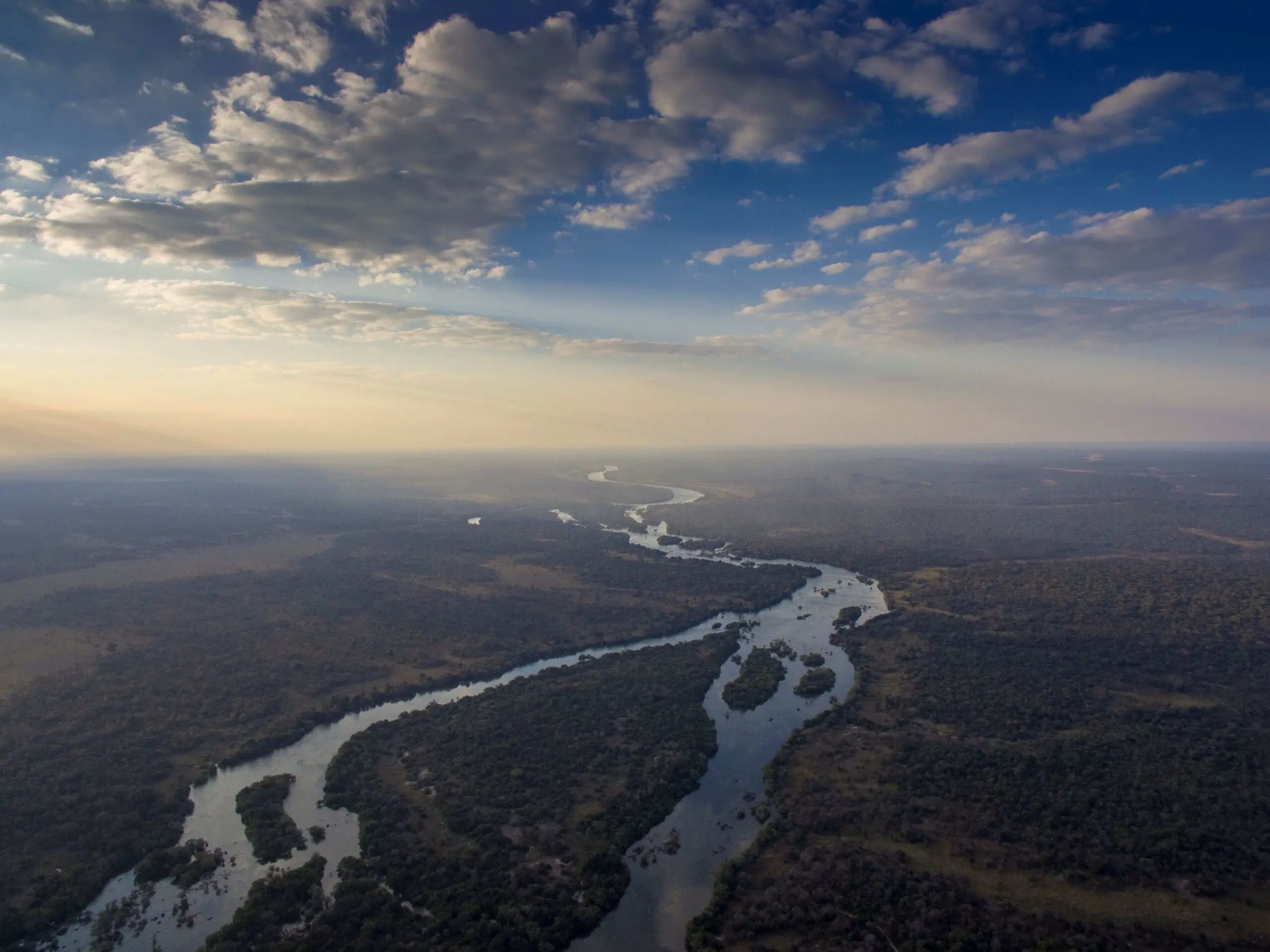
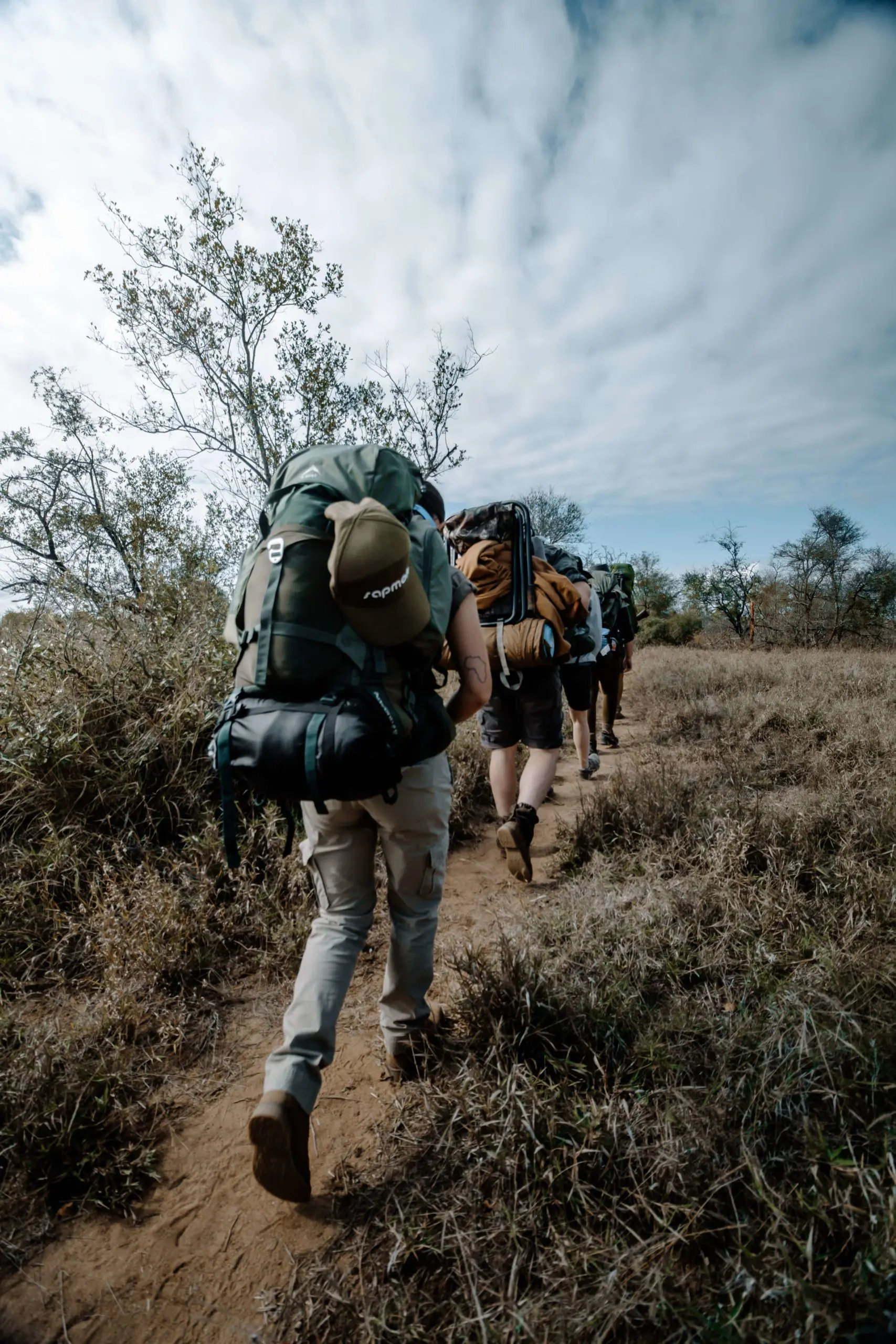
It is one thing to know that a place is wild. It is another thing entirely to feel it. To walk through a landscape where there are no roads, no buildings, and no obvious signs of modern civilization. To know that the weather will do as it pleases, that wild animals are free to move where they choose, and that, for a short while, you are not in control of everything around you.
For many people, this realisation is surprisingly liberating.
Modern life encourages us to manage, organize, predict, and control. Wilderness offers something different. It reminds us that there are still places where natural processes take precedence over human intentions.
After a few days in a wild place, a subtle shift often occurs.
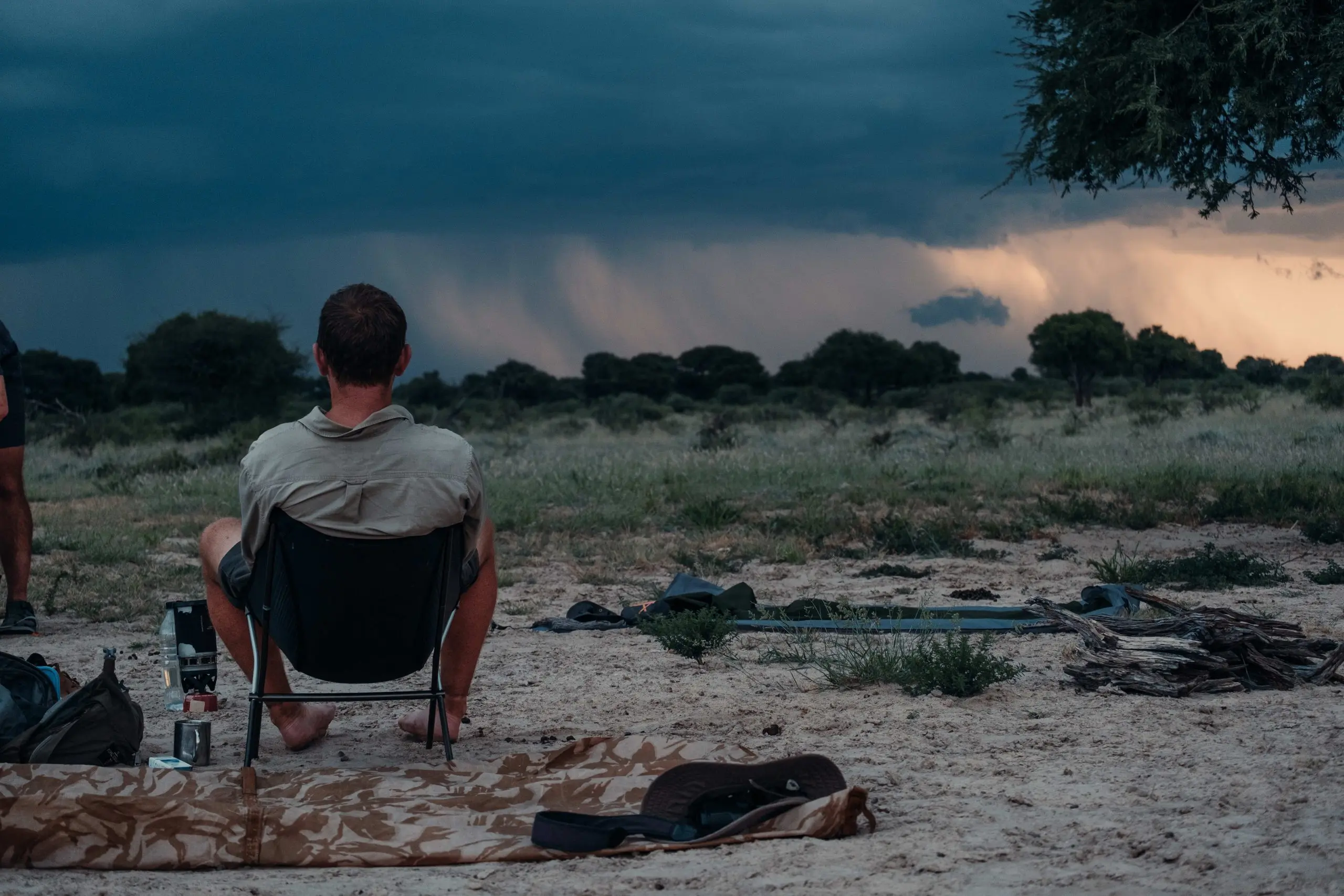
Silence is no longer merely the absence of noise; it becomes something valuable in its own right. Darkness ceases to be an inconvenience and becomes an experience. Solitude becomes a gift rather than something to be avoided.
The intrinsic wilderness qualities that once seemed abstract begin to take on real meaning. People start to understand why roads matter, why aircraft overhead matter, why artificial lighting matters, and why some places deserve to remain undeveloped.
Not because these things necessarily damage ecosystems, but because they change the experience of wildness.
Once these qualities have been experienced, they are difficult to forget.
The Transformation of Perspective
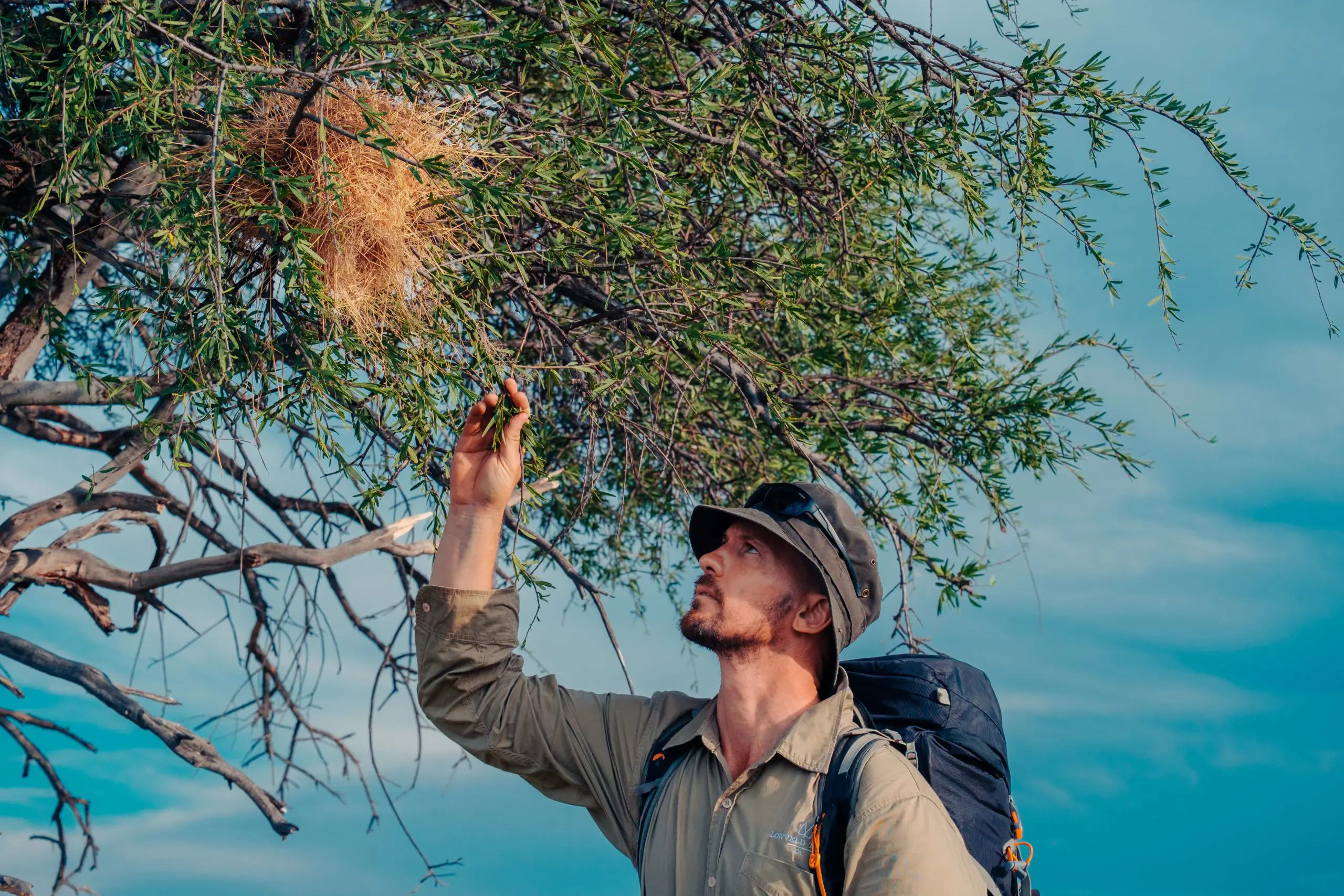
Many wilderness guides have witnessed this transformation. Guests arrive eager to see animals and leave talking about entirely different things. They speak about how they slept, how they felt, what they noticed, and how the experience affected them. Often, they struggle to explain exactly why it mattered.
Perhaps that is because some experiences resist easy explanation.
A sense of awe cannot be measured. A feeling of belonging cannot be quantified. Wonder does not appear on a checklist. Yet these experiences can alter the way people see the world.
They can foster humility in an age of certainty. They can create gratitude in a culture of consumption. They can remind us that we are participants in nature rather than observers standing apart from it.
For some, this is where wilderness begins to feel sacred.
Not necessarily sacred in a religious sense, but sacred in the sense that something becomes deeply valued and worthy of protection. The landscape is no longer simply a destination or a scenic backdrop. It becomes a place of meaning.
Perhaps this is why exposing people to wilderness is so important. Time spent in a truly wild place has the potential to reveal something they did not know they were missing.
A few days immersed in wilderness may create a connection that persists long after they return home. The landscape itself may be left behind, but the feelings it evokes—silence, wonder, humility, and belonging – can remain.
From that connection may grow something powerful: a deeper appreciation for wilderness and a desire to ensure that future generations have the opportunity to experience the same silence, the same wonder, and the same sense of belonging.
“Because people rarely protect what they merely understand. They protect what they have come to love.”